1915 Original size(56×53cm) National Museum of Modern Art, Tokyo
Description
A stone wall piercing sharply into the sky; on the right rises a weedy, grass-covered embankment beneath an endlessly clear blue sky. The scene depicts an utterly ordinary corner of Yoyogi 4-chome, Shibuya, more than ninety years ago, yet the painter rendered it with obsessively meticulous brushwork.
For Turner the ‘sea’ remained a central theme throughout his life. In his twenties he actively exhibited seascapes showing superb command of dynamic waves and ships advancing before the wind.
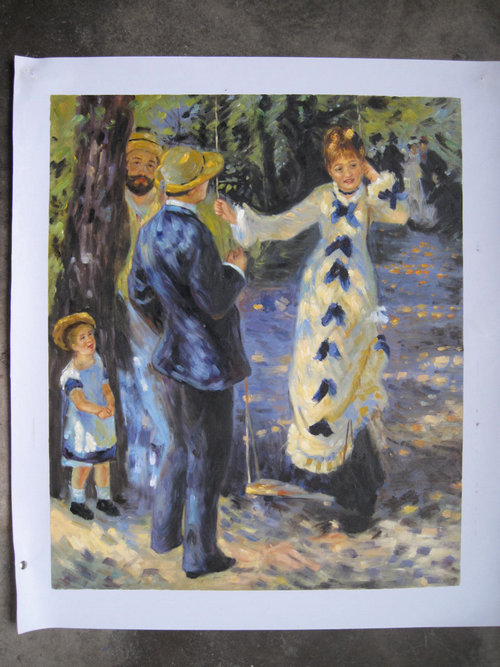
One of Renoir’s celebrated ‘Dance Triptych’ (1883), painted for the home of dealer Paul Durand-Ruel; the model couple are his friend Paul Lhote and the ambitious young Parisienne Suzanne Valadon (then 18). Noted for its simple, refined composition and the fusion of figures and background in shimmering light.
Painted after 1886 at Pont-Aven in Brittany, the base of the Pont-Aven School centred on Gauguin. Its characteristic style, called Cloisonnism, builds the picture from flat color areas bounded by simple contour lines.
1903 Aichi Prefectural Museum of Art 100.0cm×100.0cm
Description
Klimt’s ‘Life is a Battle (The Golden Knight)’ (1903), acquired by the Aichi Prefectural Museum of Art in 1990 for about 1.77 billion yen — the first Klimt painting in a Japanese public museum.
Auvers, where Van Gogh ended his life. He lived there only two months yet produced some seventy works; this green, secluded landscape must have brought some peace to his mind.
1869 46.3×38.4cm Maryland Institute College of Art(Baltimore)
Description
Louveciennes, a quiet village some 25 km west of Paris, where Pissarro lived from autumn 1868 (until the Franco-Prussian War) and again from 1871 to 1874. A snow-effect townscape of the Versailles road.
A 12th-century church still preserving the original form of Van Gogh’s painting. In 1924 Yuzo Saeki painted this church; inspired after a rebuke from Vlaminck, he visited Dr. Gachet’s house with Katsuji Satomi, saw some twenty Van Gogh works, and painted the church that moved him.
1876 Original size(92×73cm) Collection: Musée d’Orsay(France)
Description
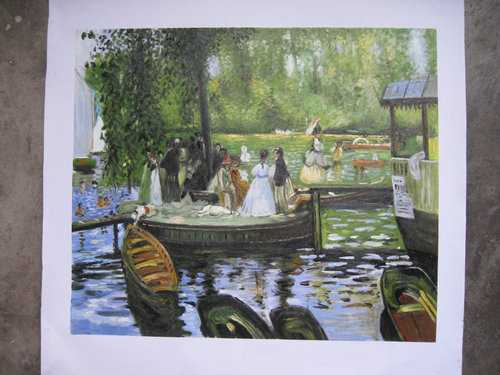
Renoir pursues here the play of dappled sunlight through trees and the effect of complementary and sympathetic color; his pioneering pointillist-like touch was poorly received at the time but is now admired.
La Grenouillere, a fashionable riverside bathing resort near Bougival close to Paris, painted by Monet alongside Renoir in summer 1869; the central artificial island was nicknamed ‘the flowerpot (or Camembert)’.
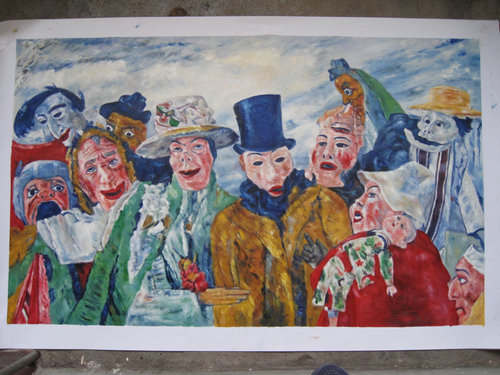
1890, 90×150cm, Royal Museum of Fine Arts, Antwerp
Description
James Ensor (1860, Ostend, Belgium), ranked with Magritte and Delvaux as a master of Belgian modern painting. Fond of masks, monsters and skeletons evoking the Ostend carnival, he is also called ‘the painter of masks’; his novel imagery prefigured Expressionism and Surrealism.
Ships in the Port of Deauville, Decorated with Flags
Original Work
1896 Original size(41.1×32.4cm) Collection: Philadelphia Museum of Art
Description
Eugene Boudin (born France, 1824), an Impressionist landscape painter; Deauville, the setting of this 1896 work, is now known as a Normandy seaside resort.
Commissioned by the Hoschede family, who recognized Monet’s talent, to decorate their mansion at Montgeron; in 1876 Monet stayed there and produced four decorative panels for the large living room.
A depiction of the daughter of Berthe Morisot, the Impressionist painter close to Renoir; the shy girl and the adorable cat create a gentle atmosphere (1887, Musee d’Orsay).
1506-08approx. National Gallery, Parma (collection) H 24.7cm, W21cm poplar panel
Description
Leonardo da Vinci’s ‘Woman with Dishevelled Hair’ (La Scapigliata), c.1506-08, Parma National Gallery — a small poplar panel of a downward-gazing woman, perfectly rendered even in the finest shadows with lead white and a few pigments.
Raphael’s ‘La Velata’ (c.1516, Pitti Palace, Florence), thought to depict the Fornarina; the mournful expression is read as sorrow that they could not be united.
Pieter Bruegel the Elder’s ‘The Peasant Wedding’ (1568, Kunsthistorisches Museum, Vienna): a wedding feast in a barn, with salted meat, beer, and a paper crown hung for the custom of the day.
Sir Samuel Luke Fildes’s ‘The Doctor’ (1891): a gravely ill child lies on a chair while the weary physician bends over her after a sleepless night; drawn from the painter’s own memory of loss.
Klimt’s maternal masterpiece ‘Hope II’ (1907-08, MoMA): a pregnant woman bowing her gaze tenderly toward the small life within, more decorative and flatter than ‘Hope I’.
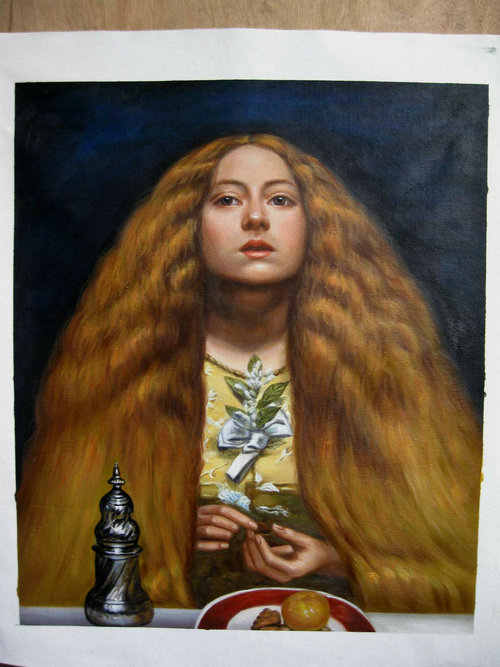
Millais’s ‘The Bridesmaid’ (1851): a painting of the superstition that passing a wedding-cake crumb through the ring nine times reveals the future lover; white orange blossoms on her breast signify purity.
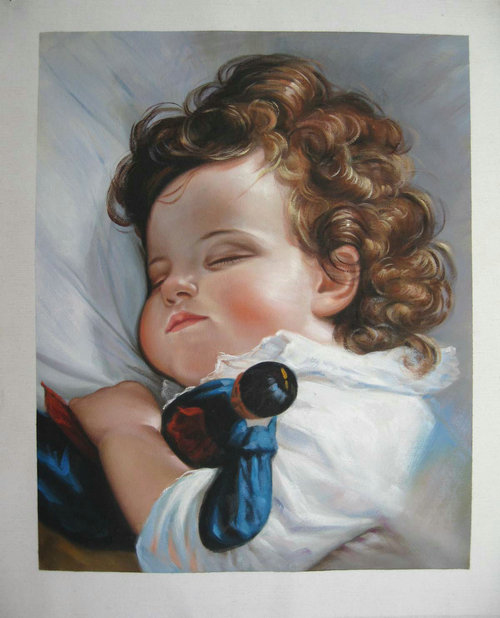
Portrait of Princess Marie Franziska of Liechtenstein, Aged Two
Original Work
1836 33×27cm
Description
Amerling, a leading Biedermeier portraitist, painted the children of Prince Aloys II; this sleeping two-year-old princess is especially beloved for her defenceless innocence.
Modigliani’s ‘Portrait of Paul Guillaume (No. 2)’ (1915, Musee de l’Orangerie); the sitter was the dealer who encouraged Modigliani to devote himself to painting around 1915.
Portrait of Jeanne Hebuterne with her Back to the Door
Original Work
1919 130×81cm Private Collection(L.A)
Description
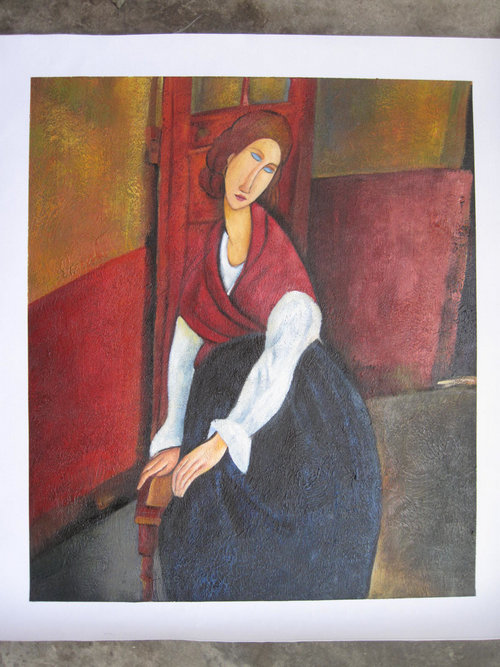
Modigliani’s portrait of his wife Jeanne Hebuterne (1919, private collection, LA); she took her own life at 21, pregnant, after Modigliani died of tuberculosis at 35.
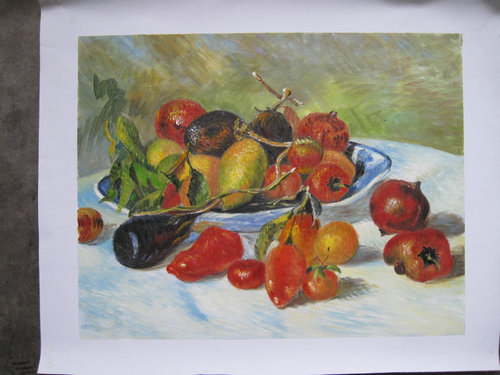
1881 Original size(65.3×50.7) Collection: Art Institute of Chicago
Description
Renoir’s ‘Fruit from Southern France’ (1881, Art Institute of Chicago), notable for its firm, deliberate brushwork rather than his usual soft feminine touch.
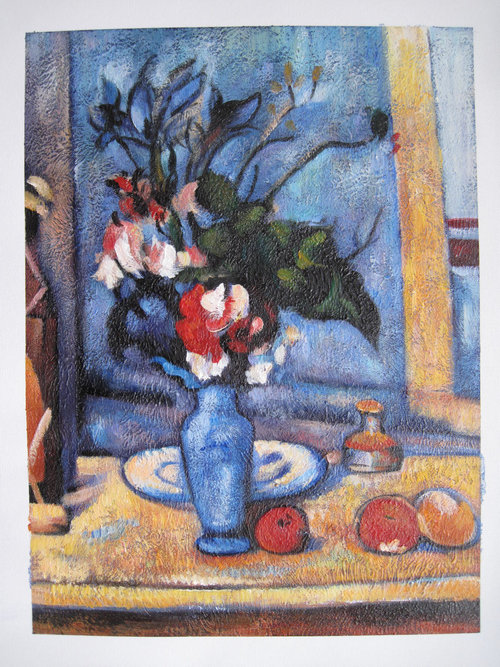
Cezanne established his own manner early in still life, where he could freely compose objects. Here the blue tonal field creates a lyrical beauty, while the shifted contours and distorted forms show his painterly intent.
Cezanne’s ‘Pyramid of Skulls’ (1901) sets aside the classical ‘memento mori’ lesson to address death itself as a painterly subject — a meditation on vanitas and on the value of the picture as art.
1916 40.0×29.5cm National Museum of Modern Art, Tokyo
Description
Kishida Ryusei’s ‘Apples on a Pot’ (1916, Tokyo Museum of Modern Art), a landmark of Taisho-era Japanese still life; the same vessel as his ‘Pot’ (April 1916) appears, its handle now broken.
Redon, who in youth knew Corot and later devoted himself to oil and pastel; his flowers, figures and mythic worlds brim with bright splendour and mysterious fantasy, paving the way to Surrealism.
1876 Original size(45.3×32.5cm) Collection: Kotohira-gu Museum
Description
Hashimoto Kanichi’s ‘Tofu’ (1876, Kotohira-gu Museum): tofu, fried tofu and aburaage laid casually on a weathered board, each with overwhelming presence — so real it is called ‘more real than real tofu’, painted to make oil painting familiar to Japanese viewers.
1879-80 49.2×60.3cm Collection: Sompo Museum of Art
Description
Cezanne’s ‘Apples and Napkin’ (1879-80, Sompo Museum); still life was among his most important themes, here with apples and a napkin’s folds ideally arranged, the leafy wallpaper marking a group of works from 1879-80.
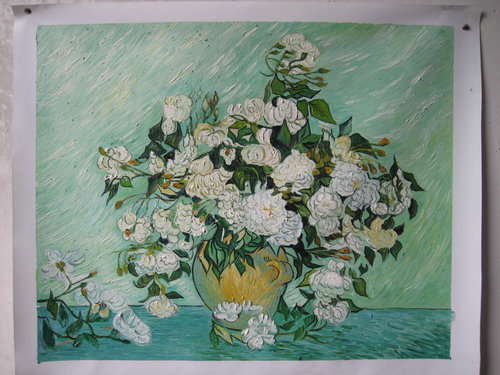
Van Gogh, after moving from Arles to Auvers, painted flowers more often; the roses bloomed in the garden of the widowed Mme Daubigny, a Barbizon painter he visited.
Rousseau’s ‘The Snake Charmer’ (1907, Musee d’Orsay), commissioned by the mother of painter Robert Delaunay; its eerie silhouetted figures were wholly new.
Rousseau’s large ‘The Dream’ (1910, MoMA), painted from imagination and keen observation; exhibited at the Salon des Independants and praised by many critics.
Kandinsky, a pioneer of abstract painting, resolved to become a painter after perceiving the origin of abstraction in Monet’s ‘Stacks of Wheat’. ‘Composition VIII’ (1923) is among his most systematic explorations of geometric abstraction.
A nude outdoors bathed in a pleasant spring breeze, her shy expression beautifully rendered; the soft texture of the skin and gentle colour convey an instantaneous sensuality, as if the viewer too feels the spring breeze.
Ingres’s ‘The Source’ (1856), exhibited at the first ‘Ingres’ retrospective in Japan (1982) and used on the poster and catalogue cover; it best shows his classical, idealist side. Ingres studied in Rome and absorbed Greek sculpture and Renaissance painting; conceived around 1820 but revised and completed in 1856.
Ingres, who mastered Raphael’s style and became a leading Neoclassicist, displays his draftsmanship in nudes and portraits. Commissioned by Caroline, Napoleon’s sister and Queen of Naples, while he was in Rome; the reclining odalisque in exotic Eastern setting is physically implausible but fully expresses Ingres’s aesthetic ideal.
A cross-legged nude with a hat (1904-1906, Neue Galerie, Vienna), painted by an artist who, despite crippling rheumatoid arthritis, worked energetically on the nude through the pain.
Takahashi Yuichi (1828-1894), a pioneer of Japanese oil painting, studied under Kawakami Togai and later the Englishman Wirgman in Yokohama; he founded the Tenkairo studio in 1873. ‘Cherry Blossoms in Glory’ (1874) shows his Western-influenced skill.
1890 Original size(98.5×69.8cm) Collection: Tokyo University of the Arts Museum
Description
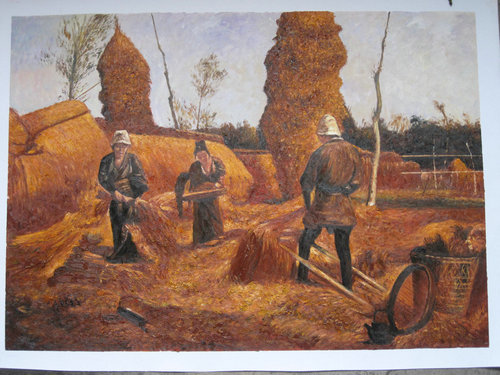
Asai Chu (1856-1907), called ‘the Japanese Millet’; inspired by Millet’s ‘Gleaners’ he encountered around 1876, he painted ‘Harvest’ (1890, Tokyo University of the Arts), bringing dawn to Japanese oil painting.
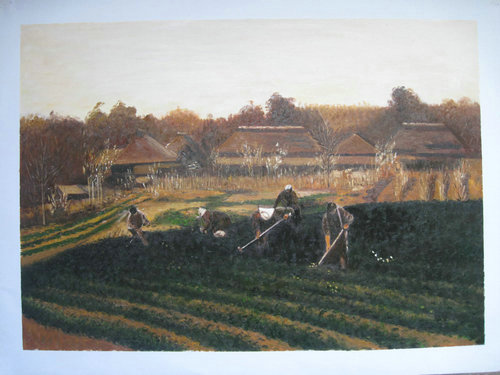
Painted in 1888 and shown at the 1st Meiji Art Society the next year; a masterpiece contrasting light and dark tonal bands to express rural daily life with delicate feeling.

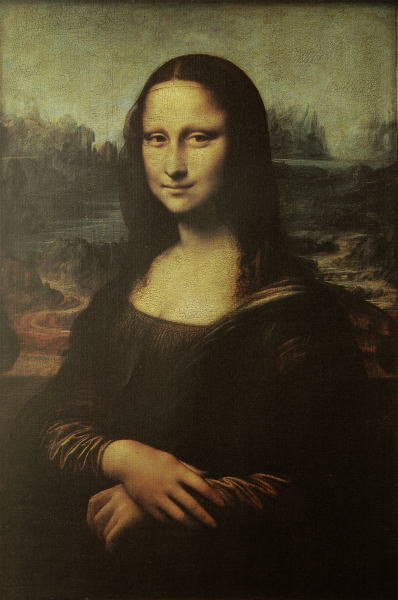 No.1Mona Lisa
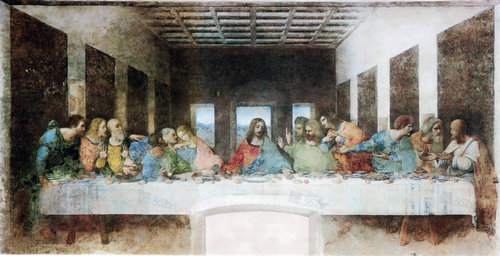 No.2The Last Supper
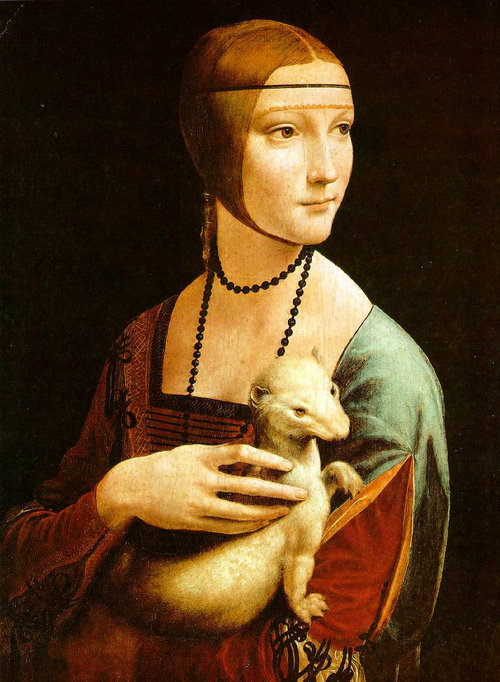 No.3Lady with an Ermine
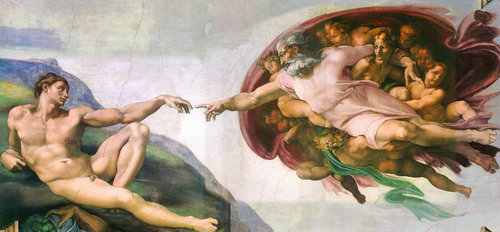 No.4The Creation of Adam
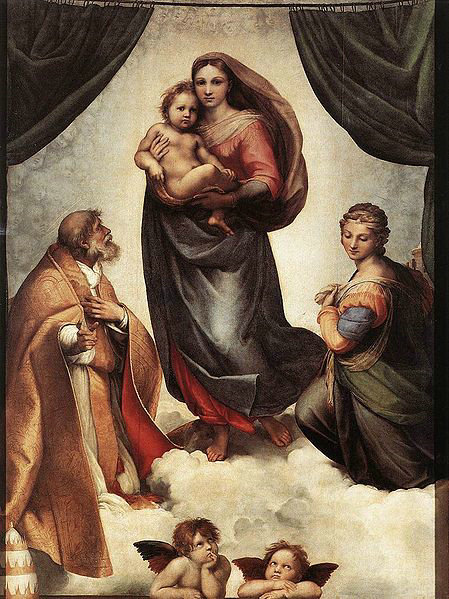 No.5Sistine Madonna
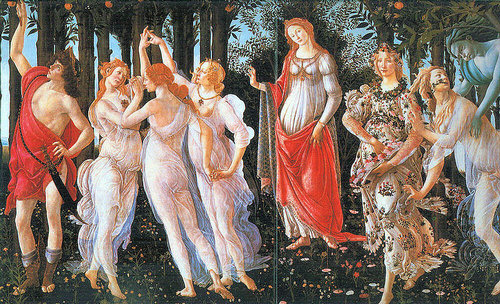 No.6Primavera (Spring)
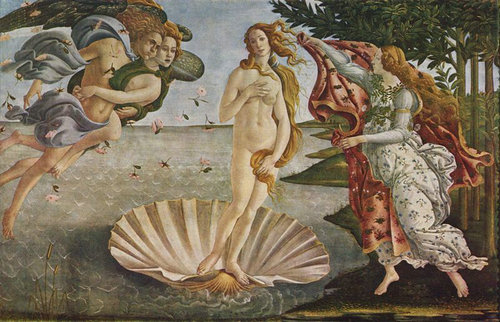 No.7The Birth of Venus
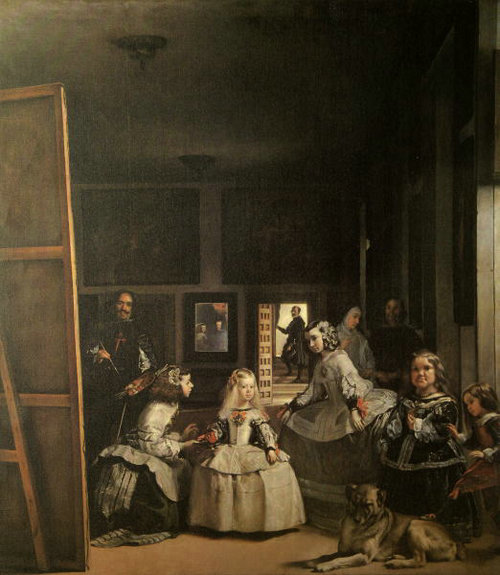 No.9Las Meninas (The Ladies-in-waiting)
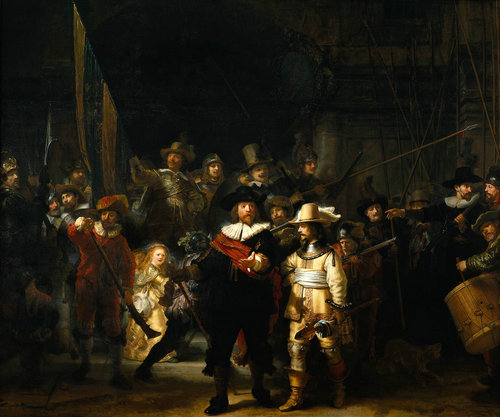 No.10The Night Watch
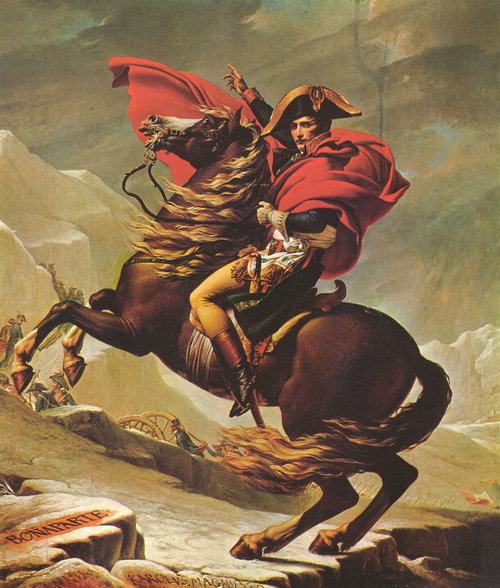 No.11Napoleon at the St Bernard Pass
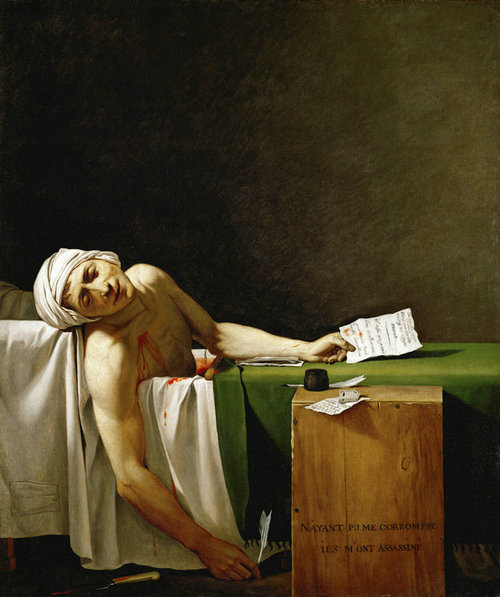 No.12The Death of Marat
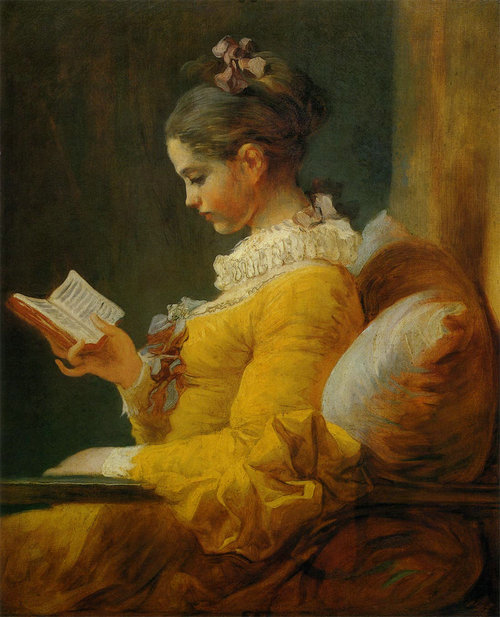 No.13A Young Woman Reading
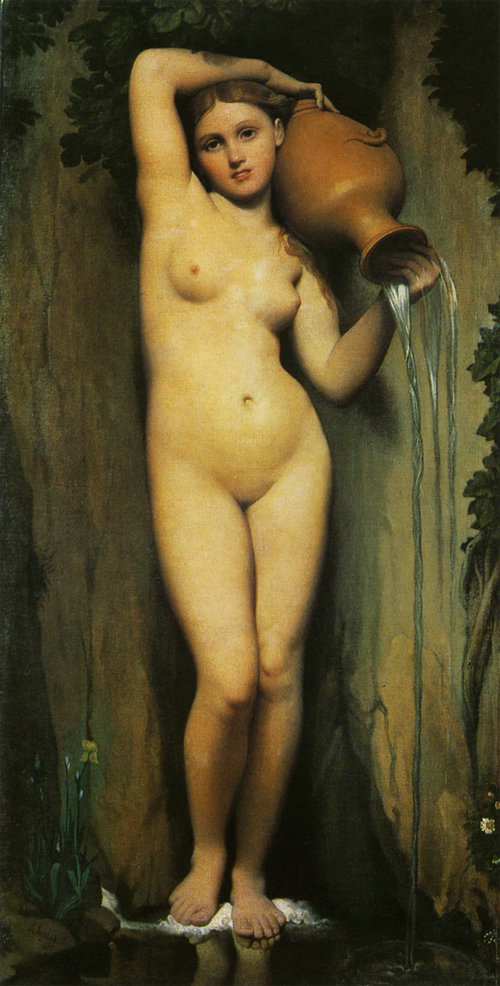 No.14The Source
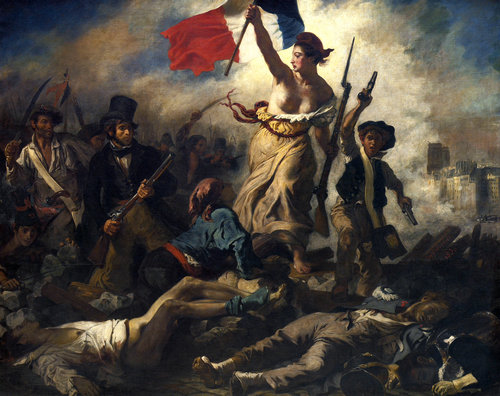 No.15Liberty Leading the People
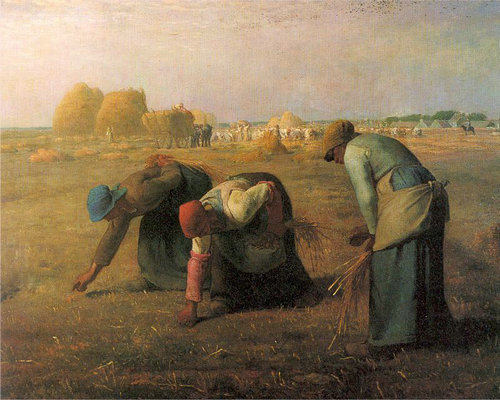 No.16The Gleaners
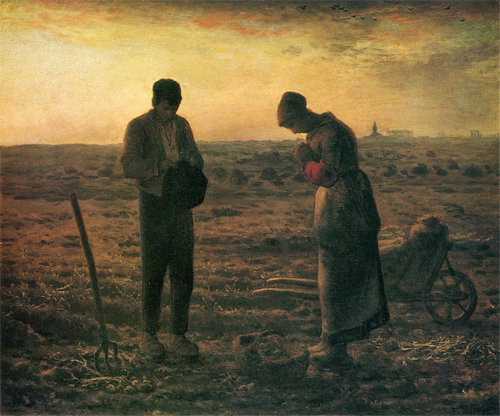 No.17The Angelus
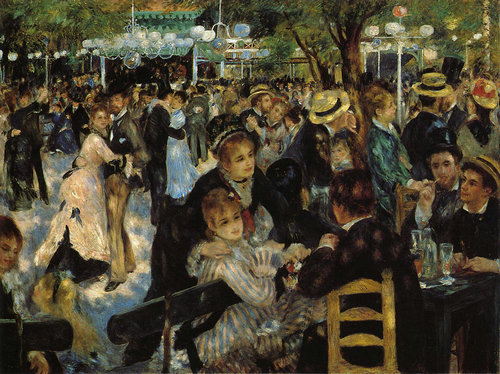 No.22Bal du moulin de la Galette
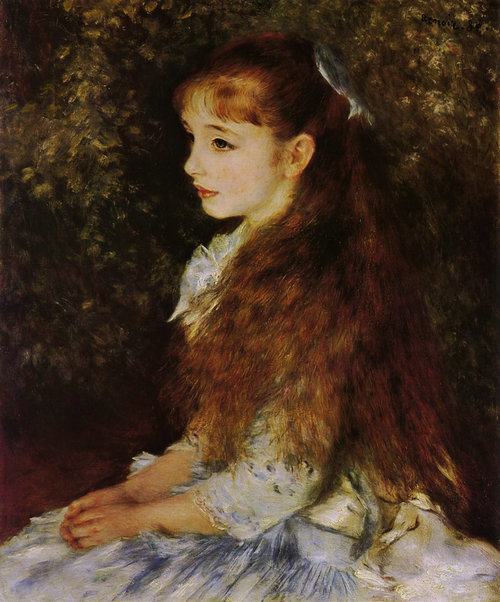 No.23Mademoiselle Irene Cahen d’Anvers
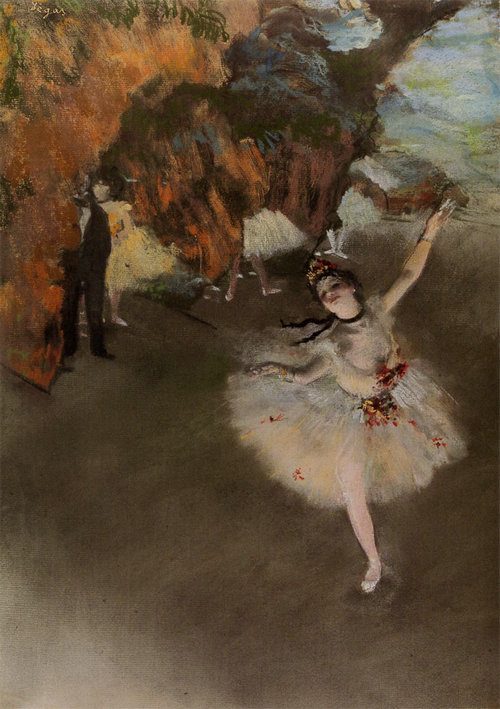 No.24The Ballet Class
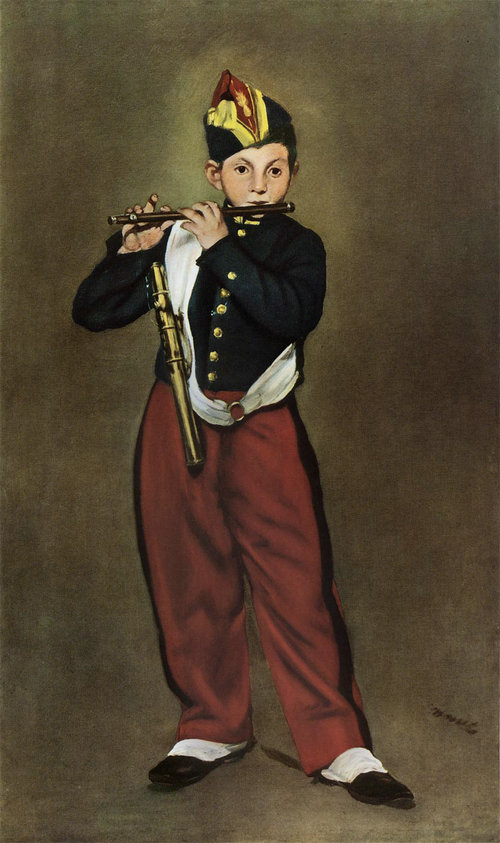 No.25The Fifer
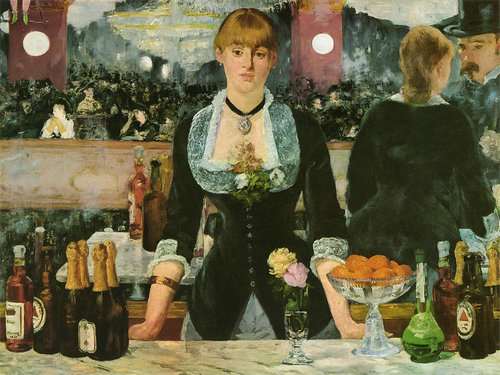 No.26A Bar at the Folies-Bergere
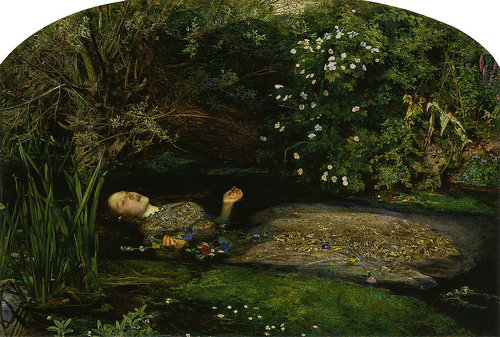 No.27Ophelia
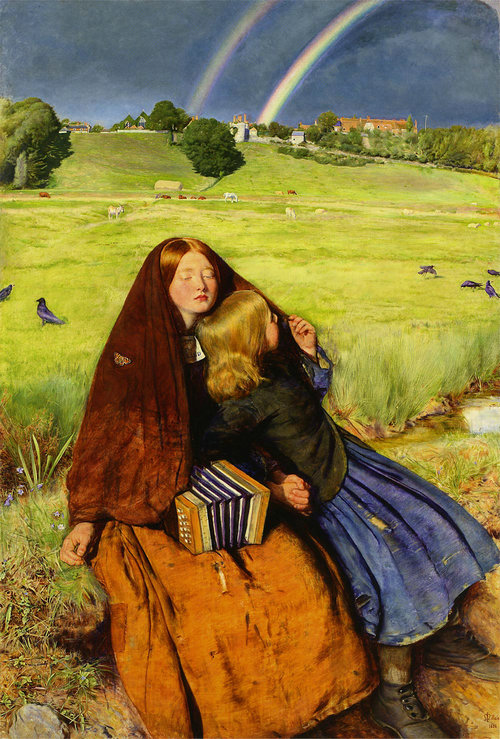 No.28The Blind Girl
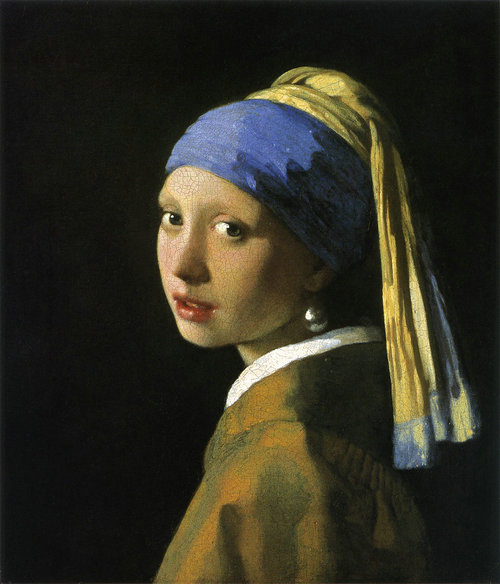 No.29Girl with a Pearl Earring
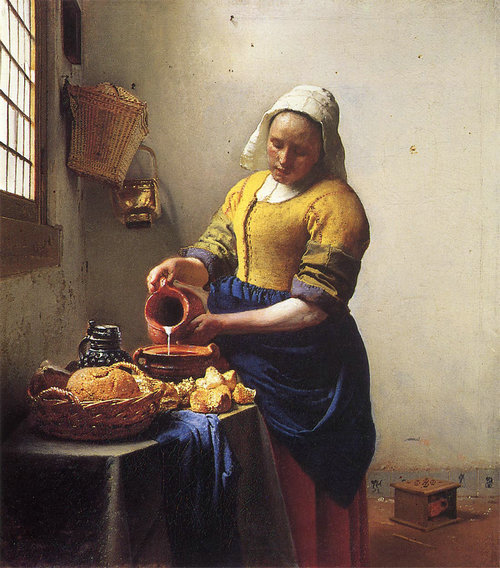 No.30The Milkmaid
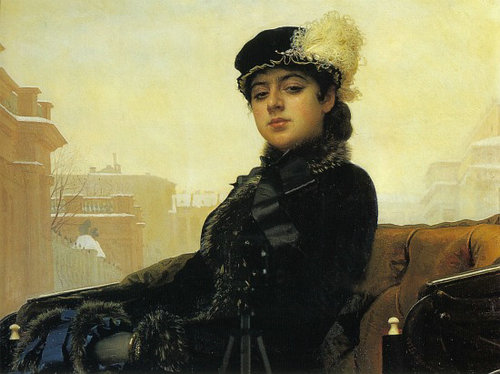 No.46The Unknown Woman
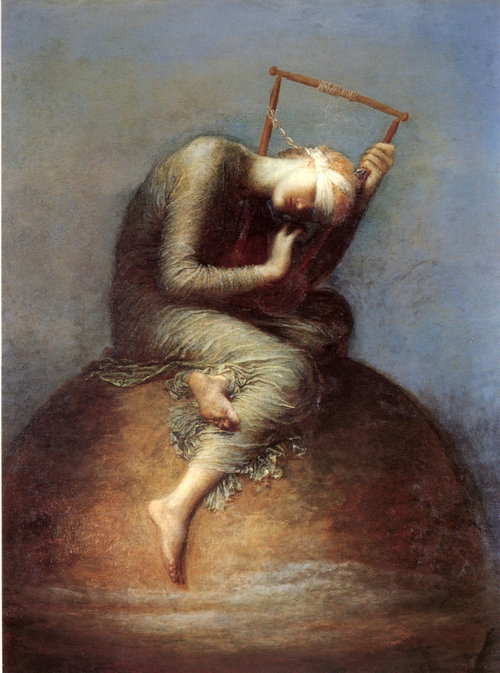 No.48Hope
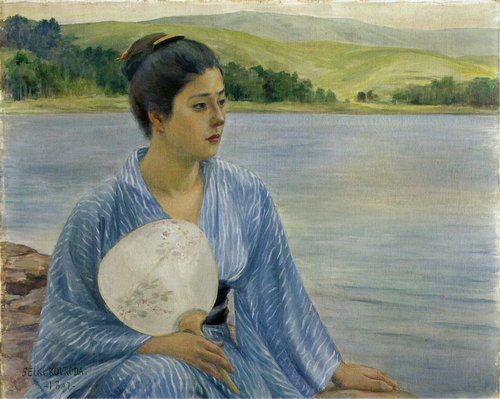 No.50Lakeside
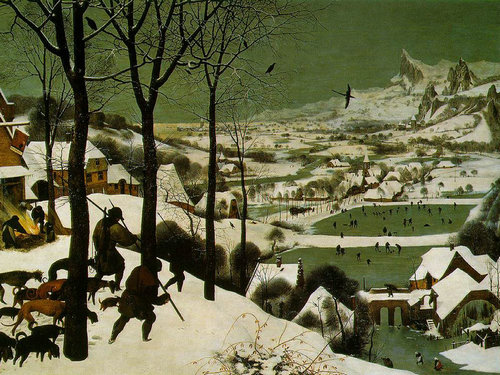 No.8The Hunters in the Snow
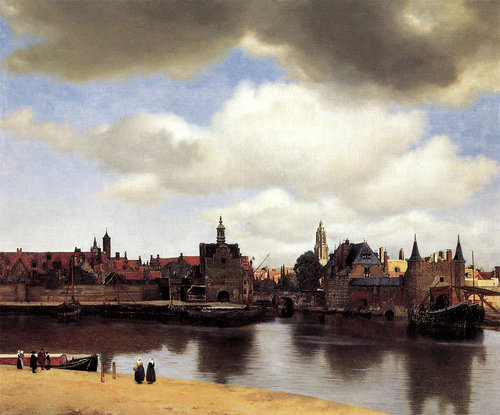 No.31View of Delft
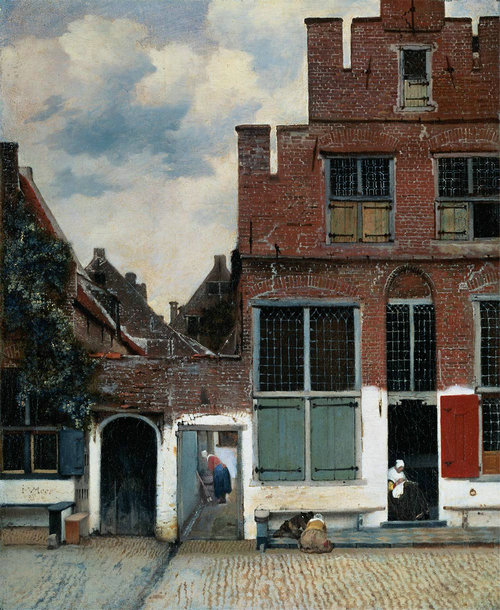 No.32The Little Street, Delft
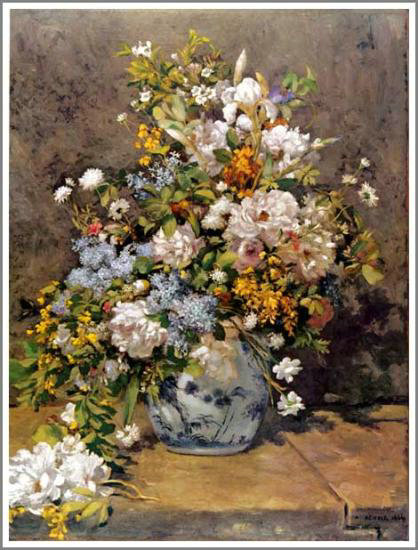 No.33Spring Bouquet
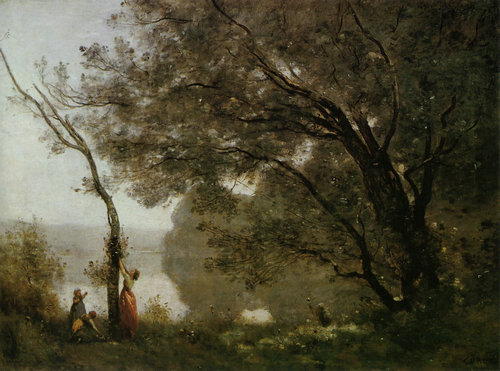 No.47Souvenir of Mortefontaine
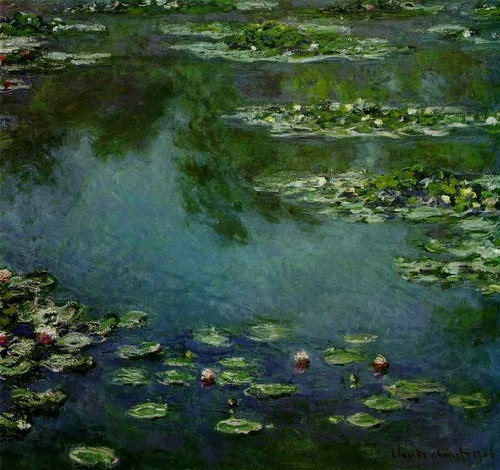 No.18Water Lilies
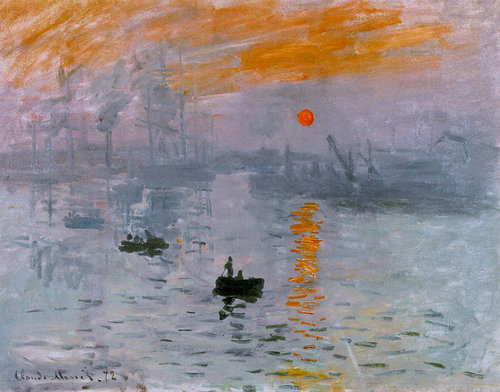 No.19Impression, Sunrise
 No.20The Stroll (Woman with a Parasol)
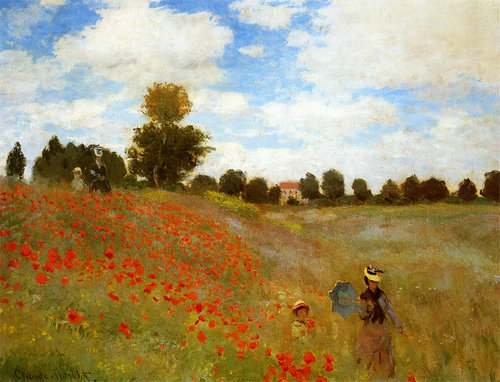 No.21Poppies at Argenteuil
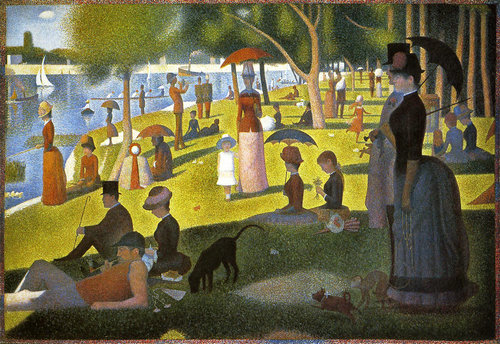 No.34A Sunday on La Grande Jatte
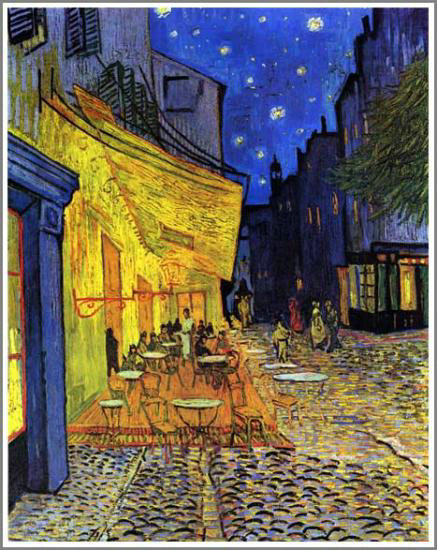 No.35Cafe Terrace at Night
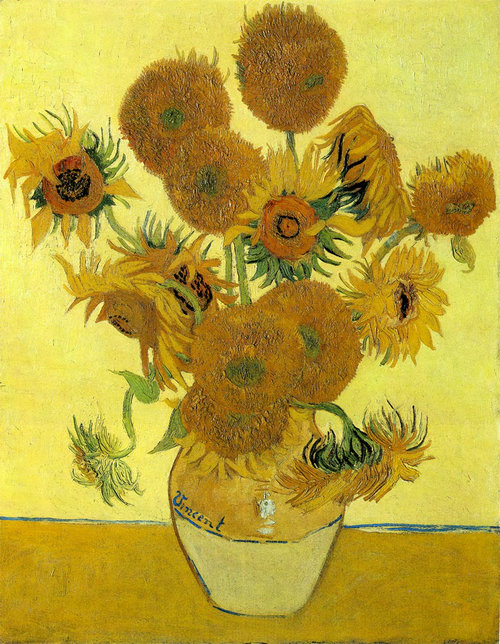 No.36Sunflowers
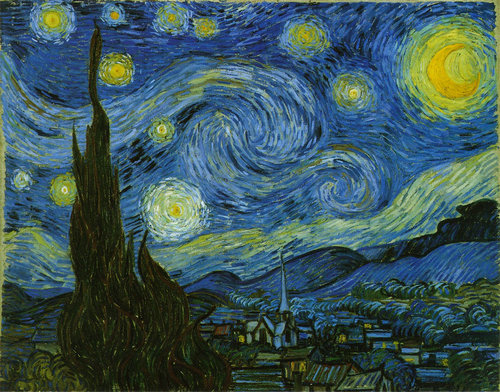 No.37The Starry Night
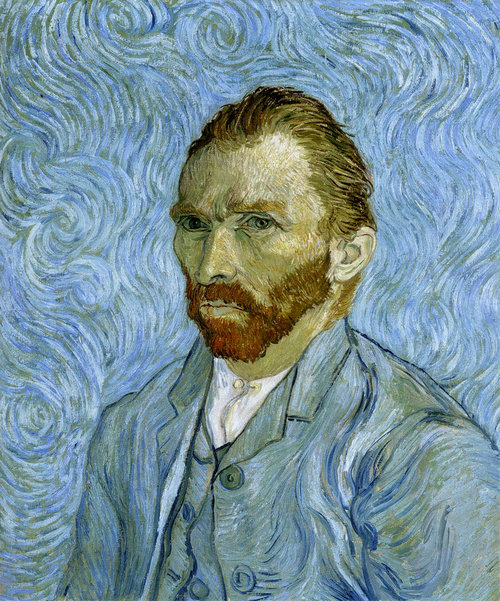 No.38Self-Portrait with Swirling Background
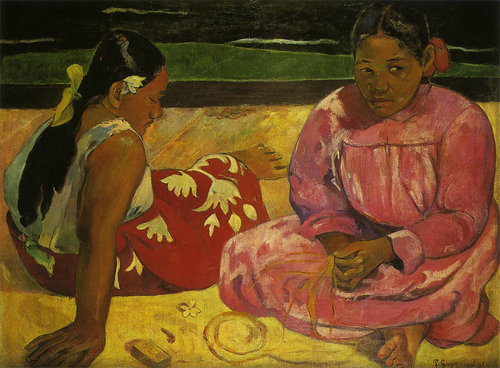 No.39Women of Tahiti (On the Beach)
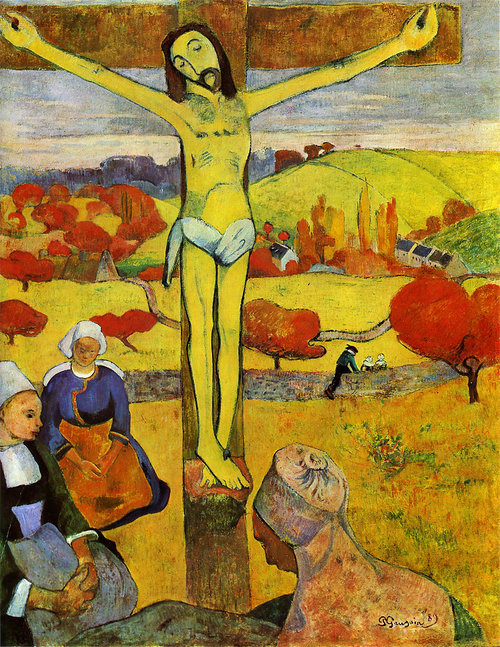 No.40The Yellow Christ
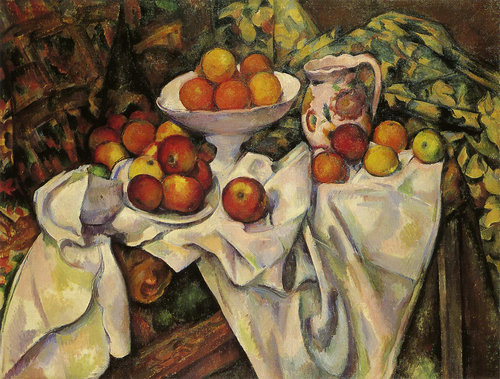 No.41Apples and Oranges
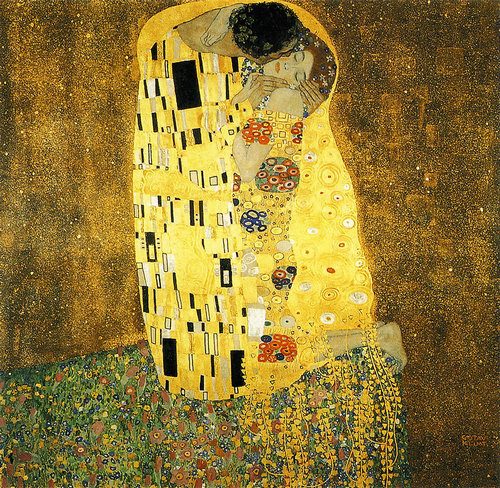 No.42The Kiss
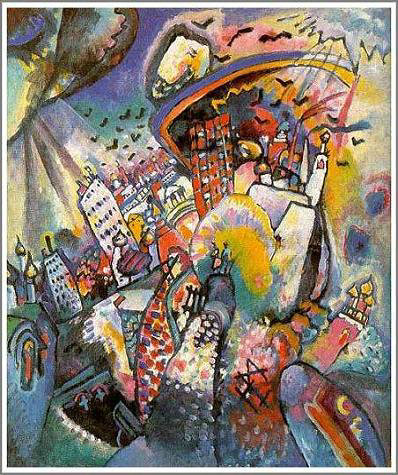 No.43Moscow
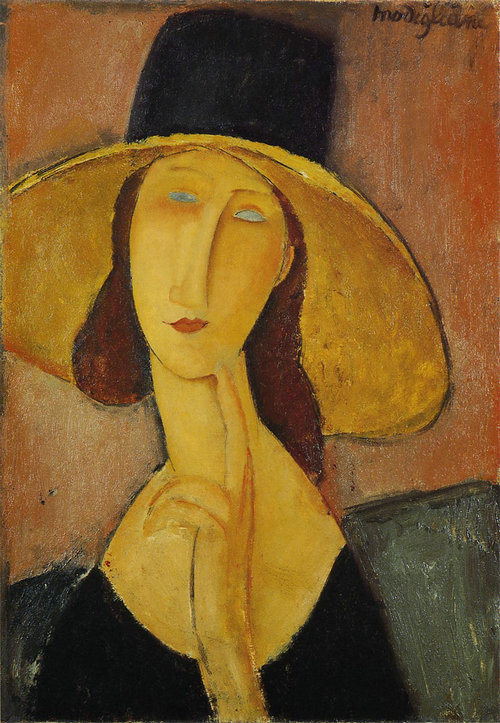 No.44Jeanne Hebuterne with a Large Hat
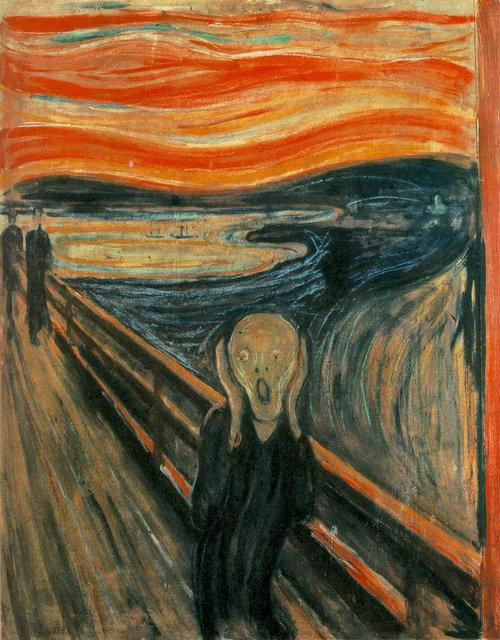 No.45The Scream
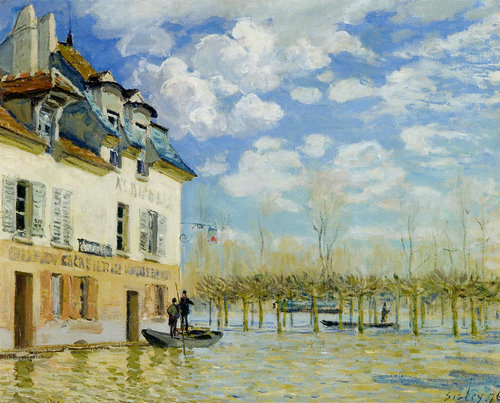 No.49The Flood and the Little Boat
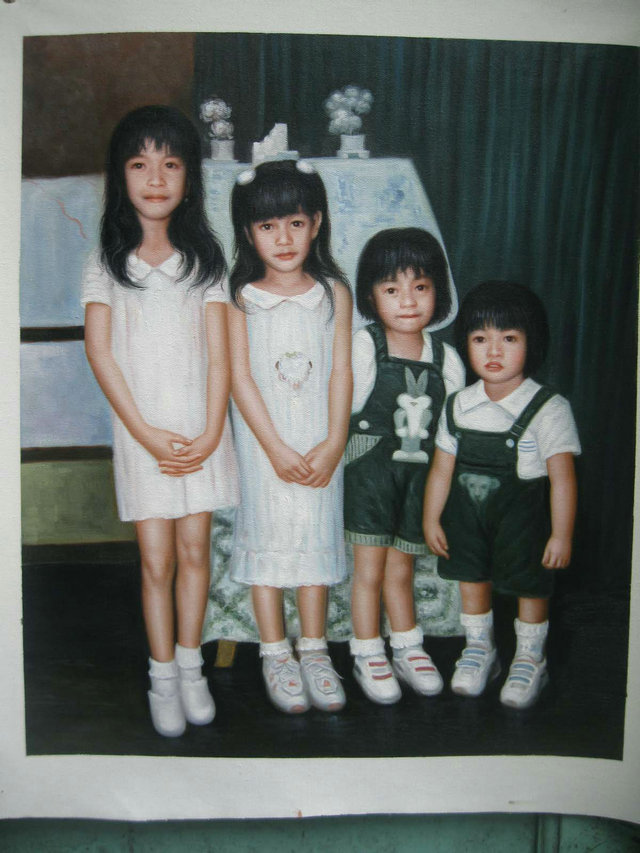 No.15Four Filipino Sisters
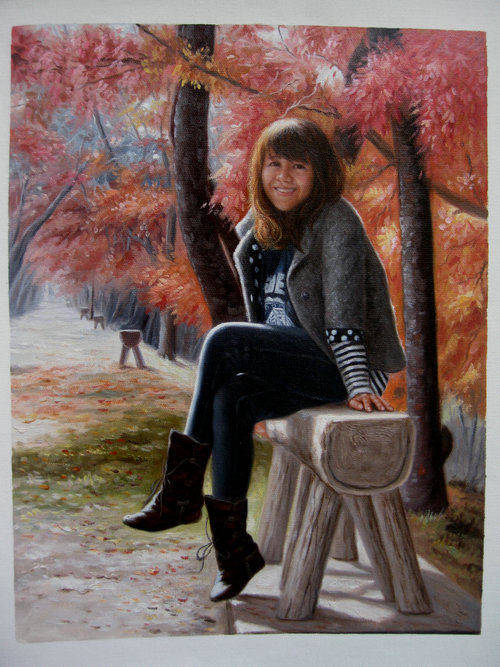 No.14Indonesian Client
 No.rx0001Portrait Commission No.53
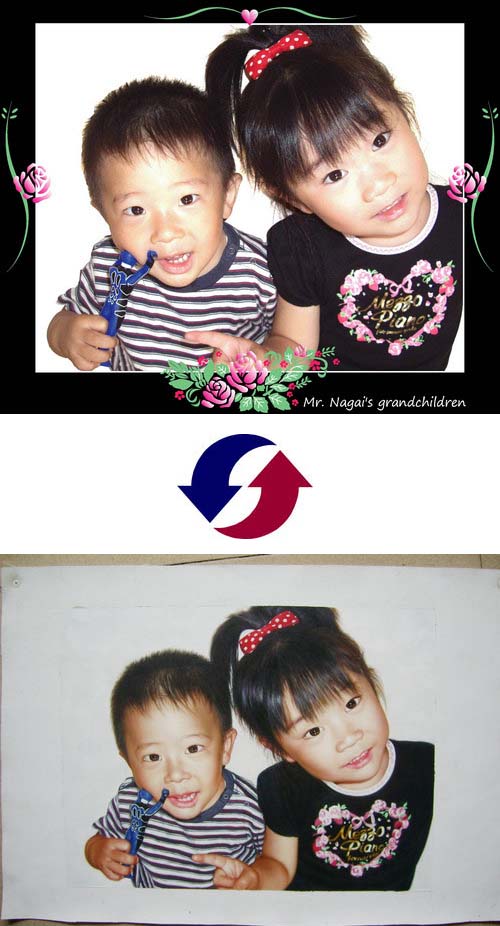 No.rx0002Portrait Commission No.54
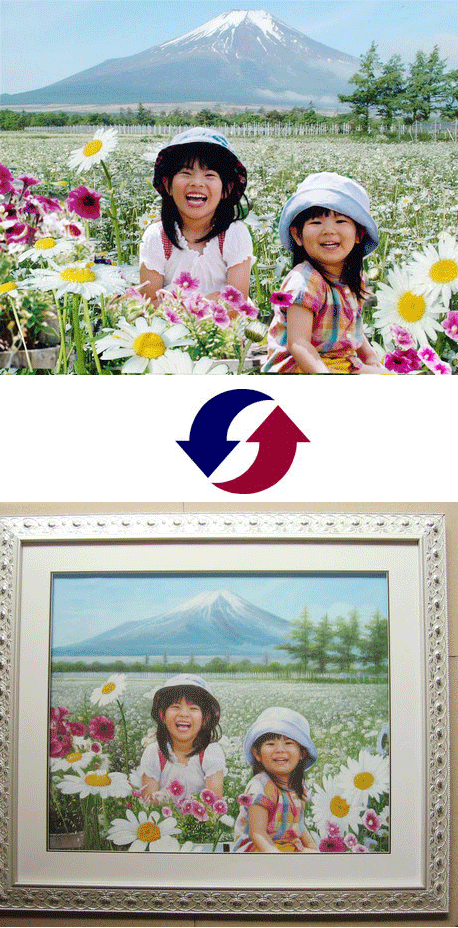 No.rx0003Portrait Commission No.55
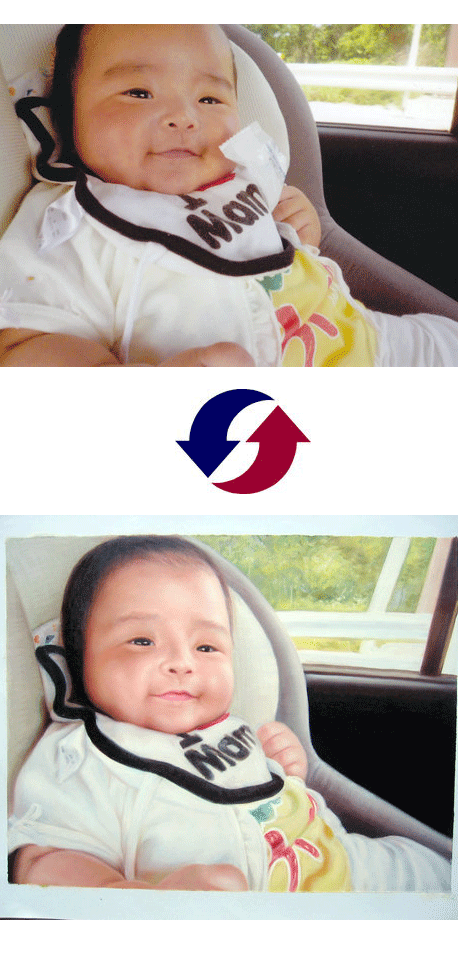 No.rx0004Portrait Commission No.56
 No.rx0005Portrait Commission No.57
 No.rx0006Portrait Commission No.58
 No.rx0007Portrait Commission No.59
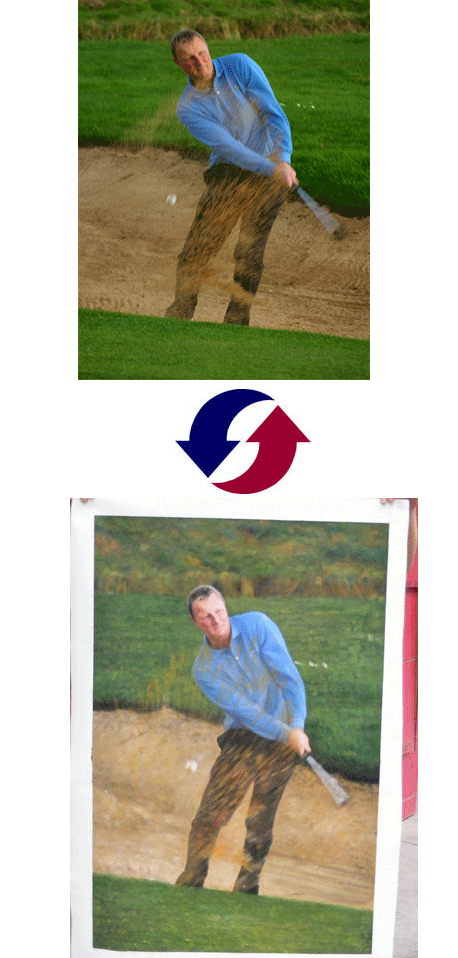 No.rx0008Portrait Commission No.60
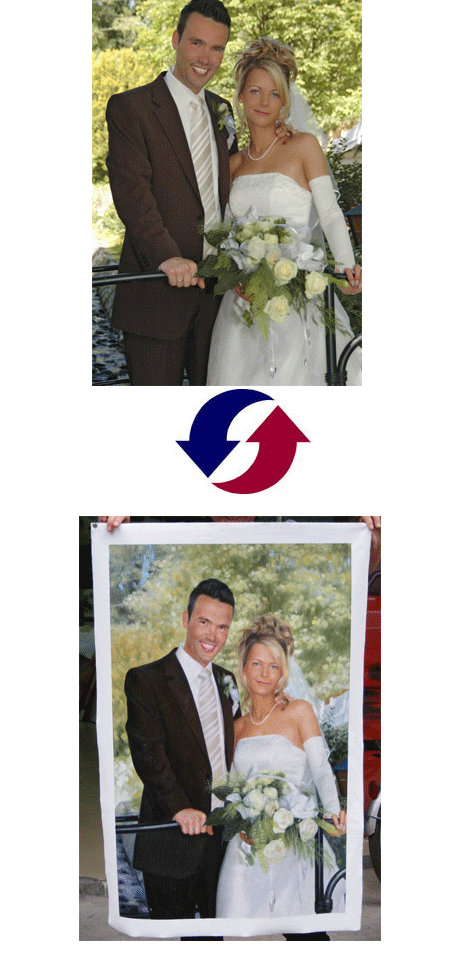 No.rx0009Portrait Commission No.61
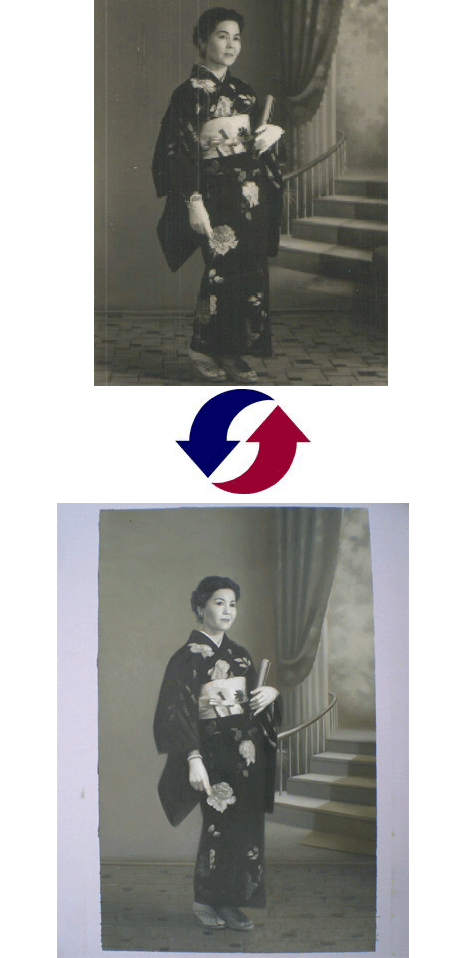 No.rx0010Portrait Commission No.62
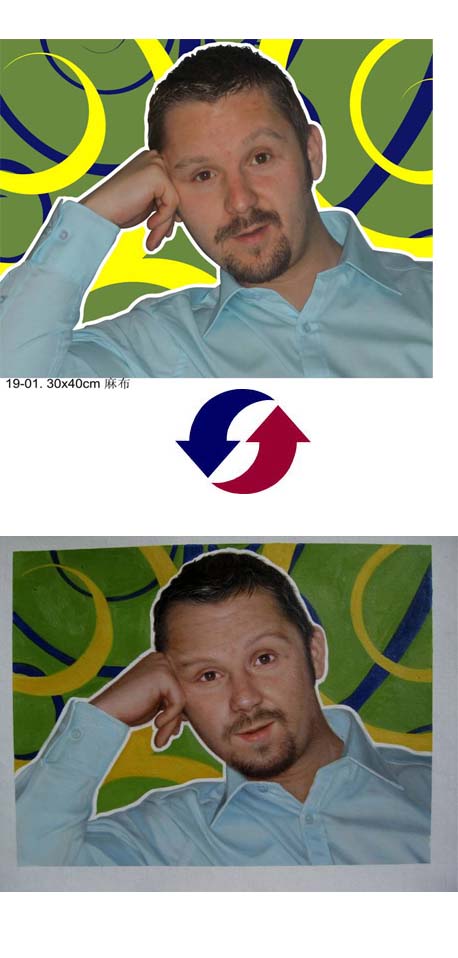 No.11Portrait Commission No.63
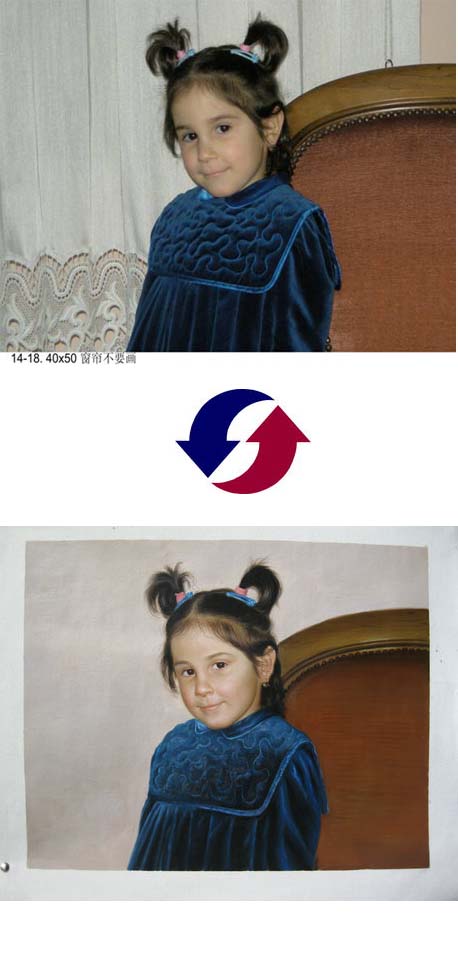 No.12Portrait Commission No.64
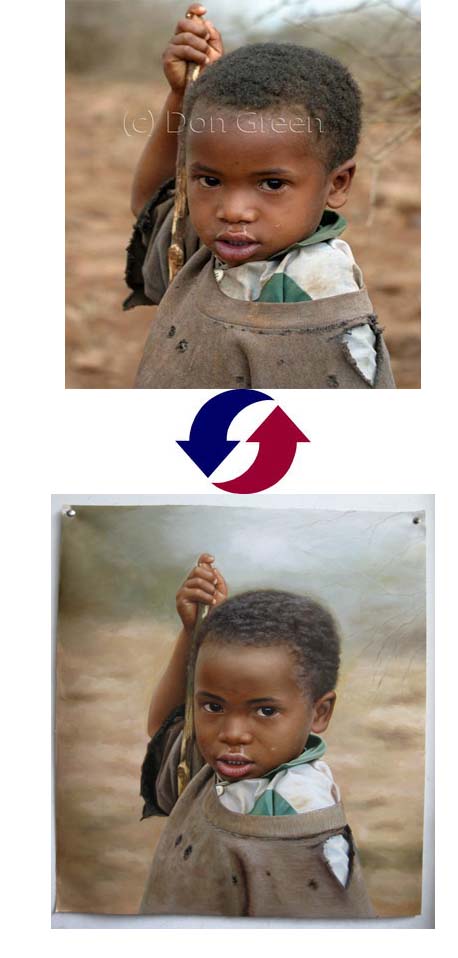 No.13Portrait Commission No.65
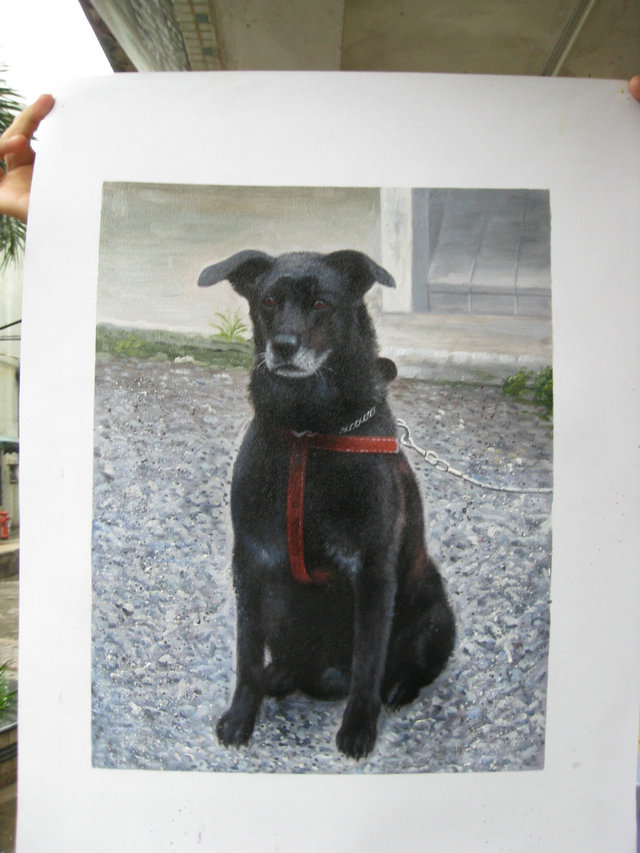 No.25Pet Portrait No.66
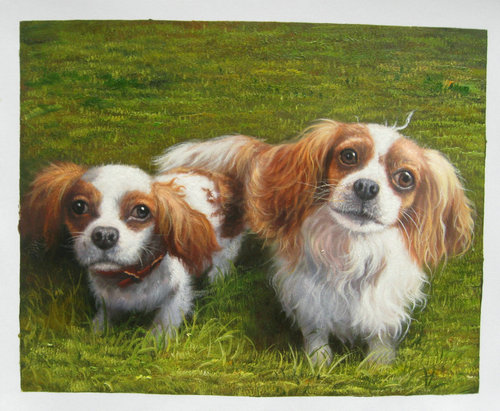 No.25The Shimosato Family’s Dog Wan-chan
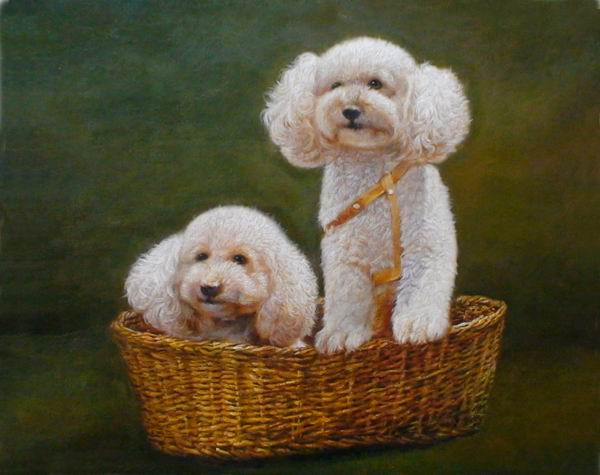 No.24Pet Portrait No.68
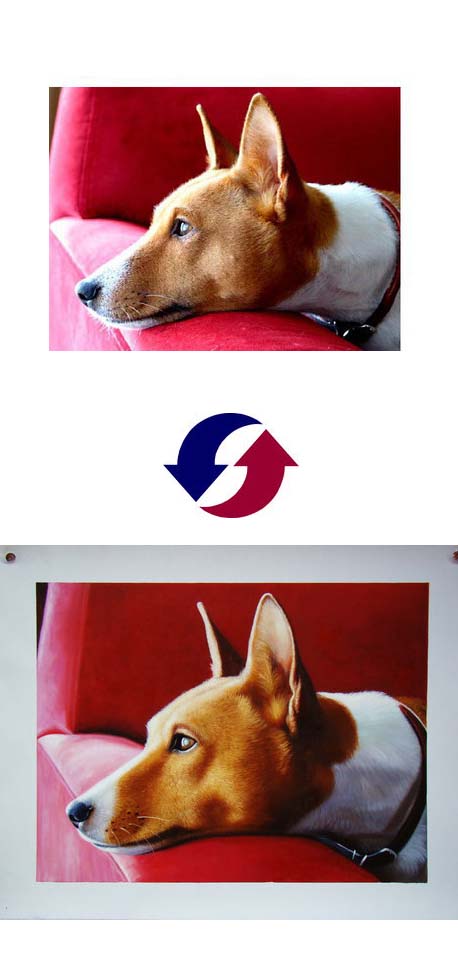 No.0011Pet Portrait No.69
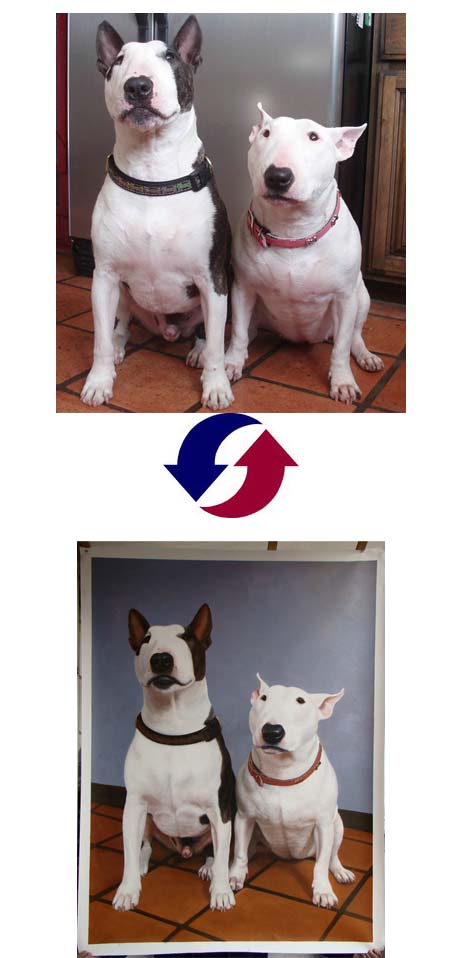 No.0012Pet Portrait No.70
 No.0013Pet Portrait No.71
 No.0014Pet Portrait No.72
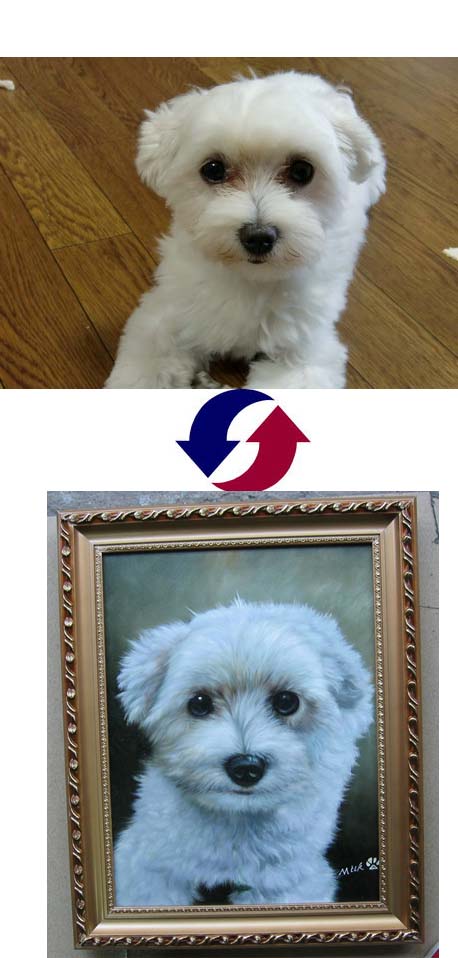 No.0015Pet Portrait No.73
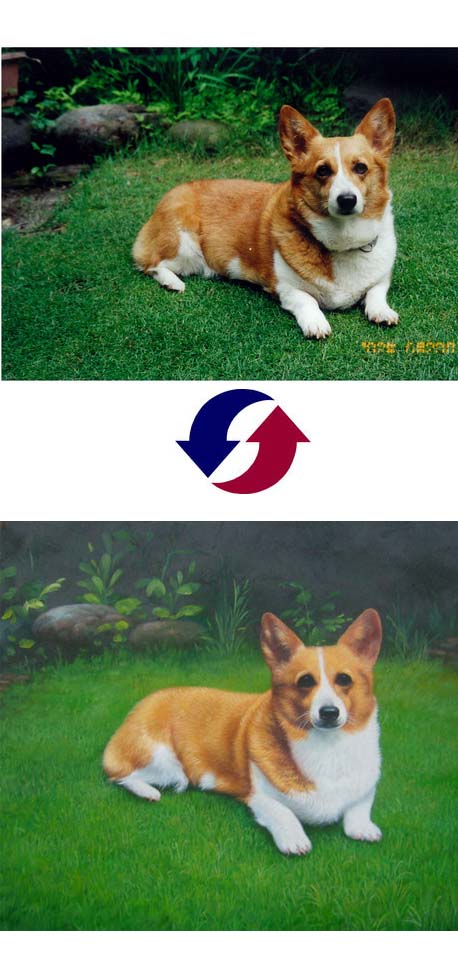 No.0016Pet Portrait No.74
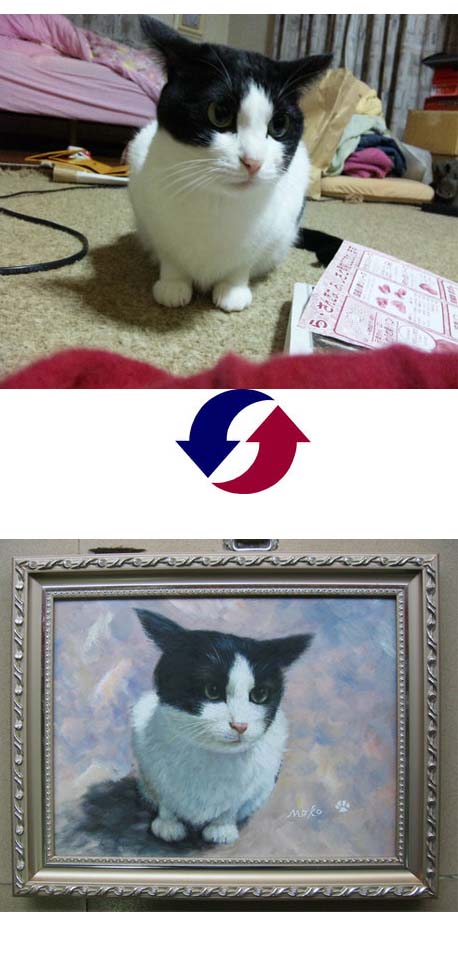 No.0017Pet Portrait No.75
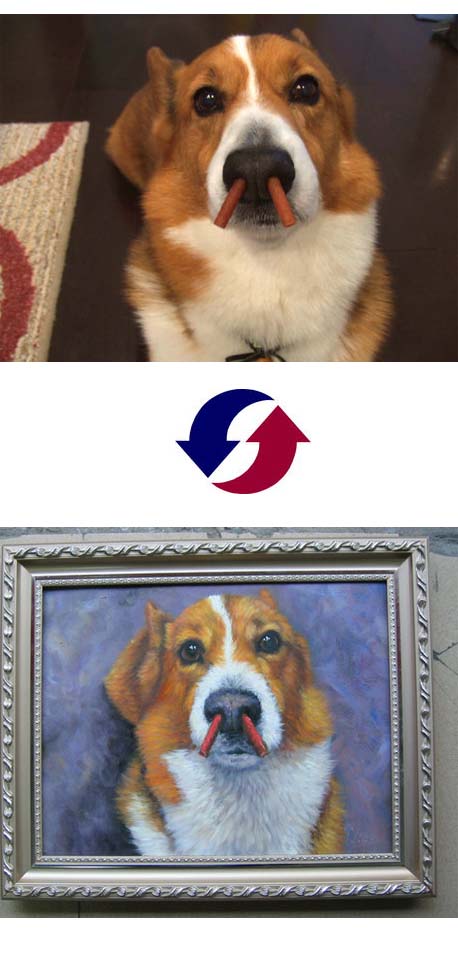 No.0018Pet Portrait No.76
 No.0019Pet Portrait No.77
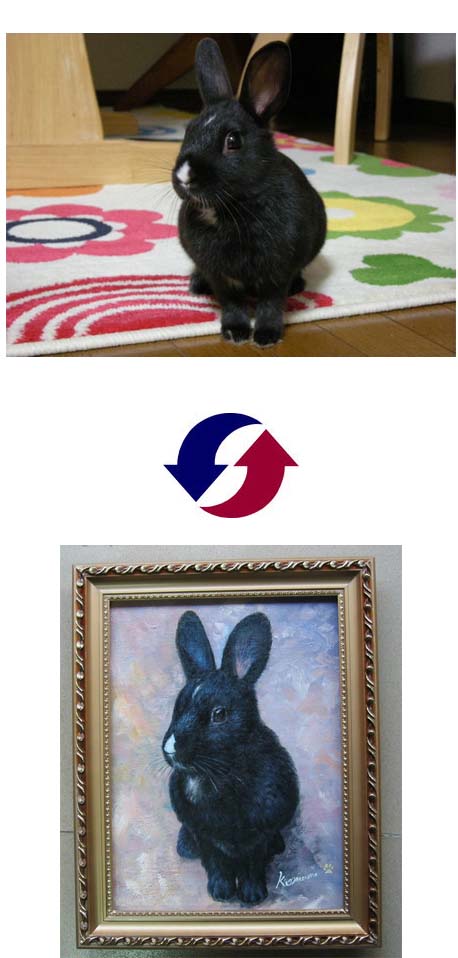 No.0020Pet Portrait No.78
 No.0021Pet Portrait No.79
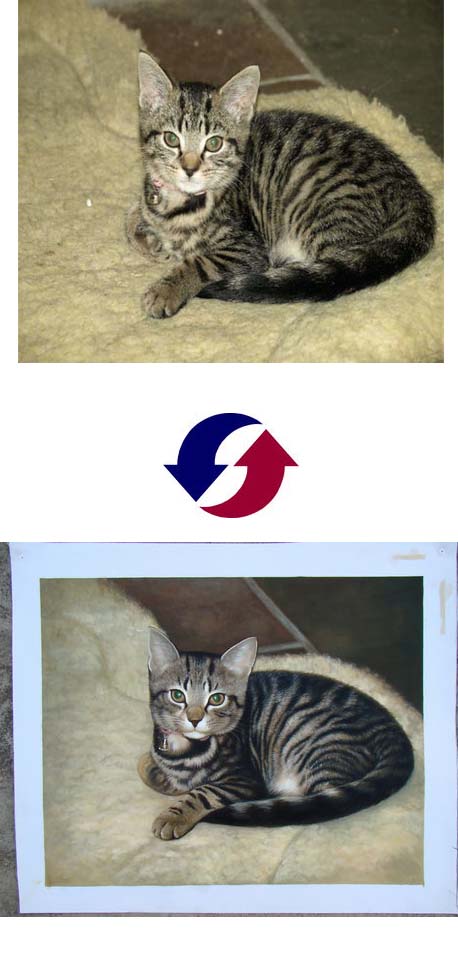 No.0022Pet Portrait No.80
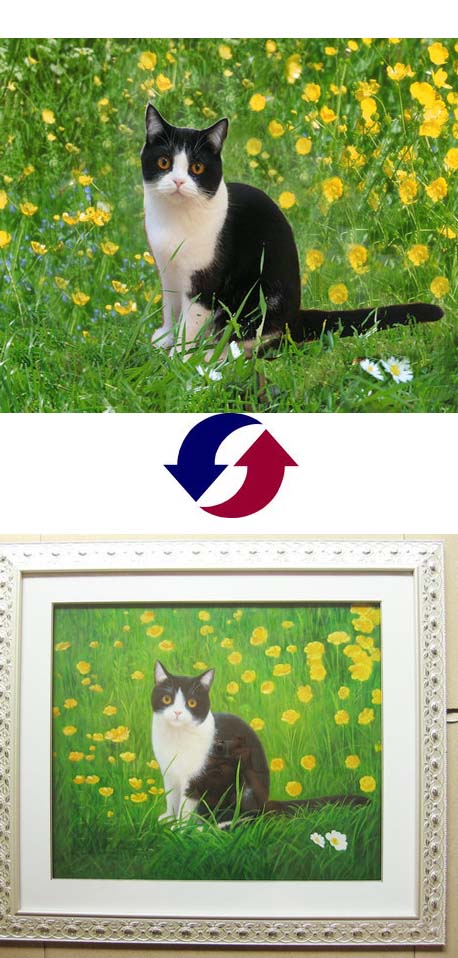 No.0023Pet Portrait No.81
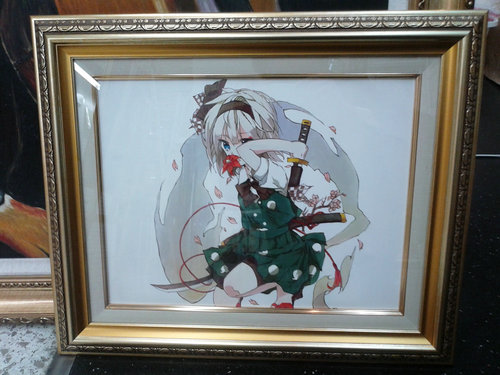 No.18Anime Style Commission No.82
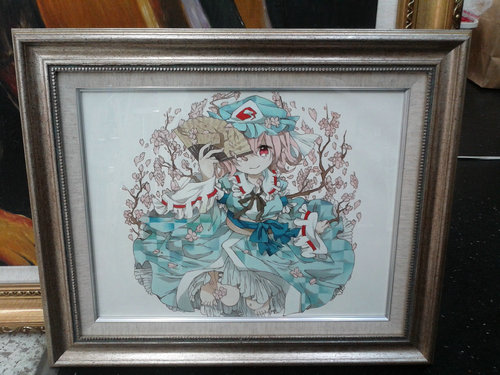 No.17Anime Style Commission No.83
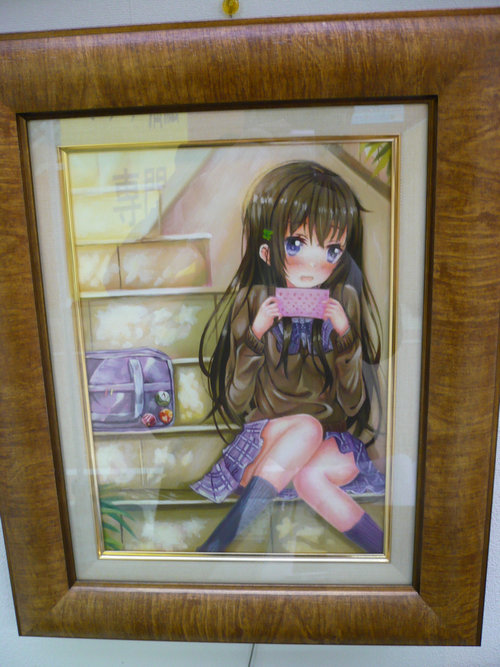 No.16Anime Style Commission No.84
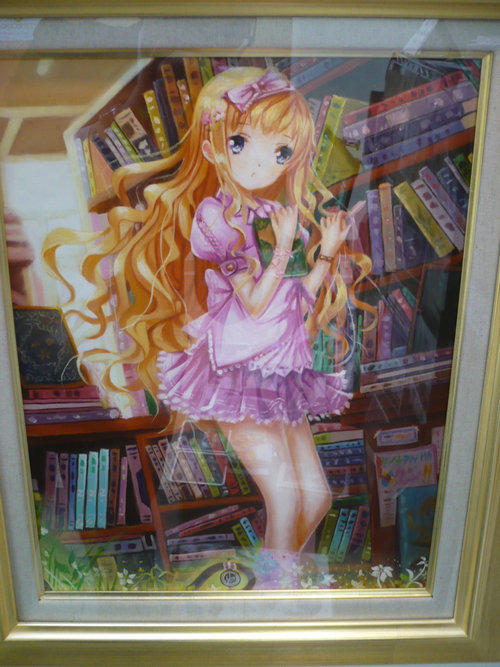 No.15Anime Style Commission No.85
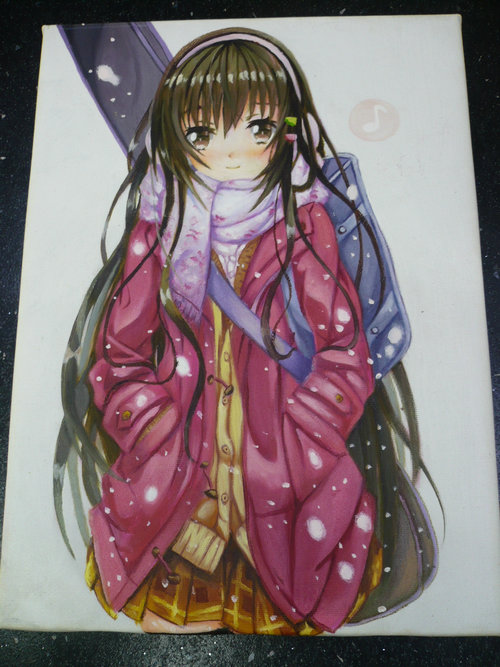 No.14Anime Style Commission No.86
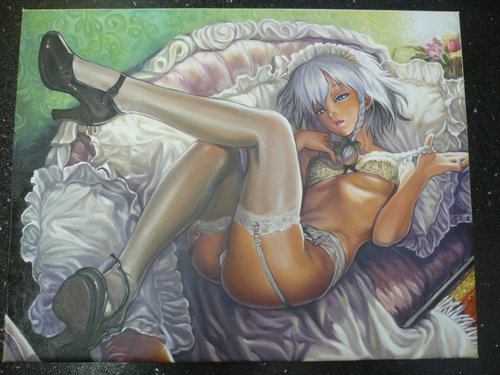 No.12Izayoi Sakuya in Lingerie
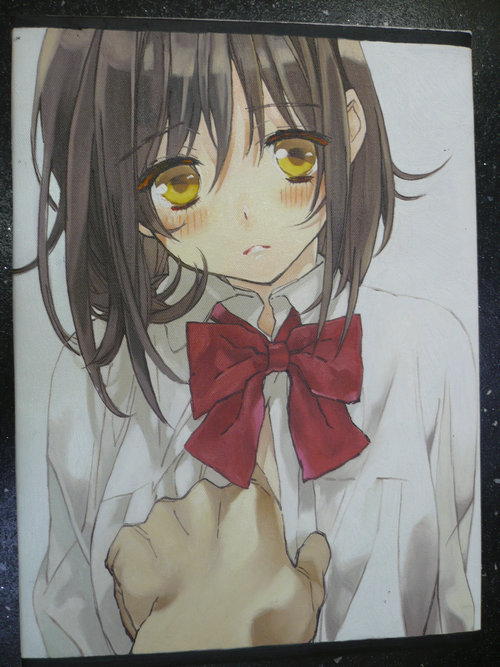 No.11The Switch
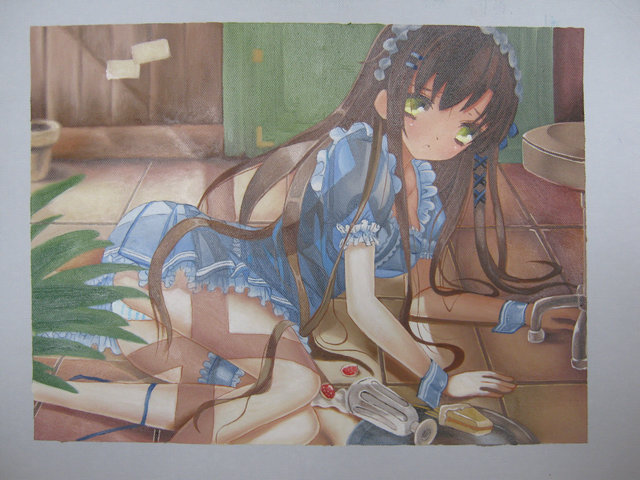 No.10The Deliberate Crime (Kakushinhan)
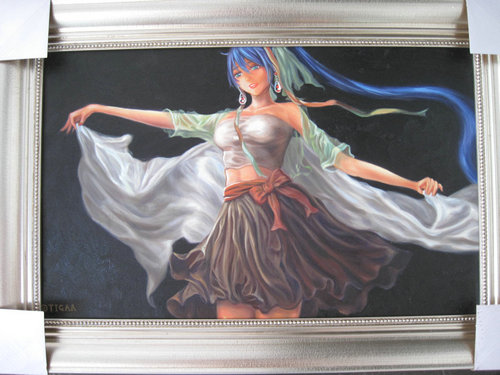 No.9Anime Style Commission No.90
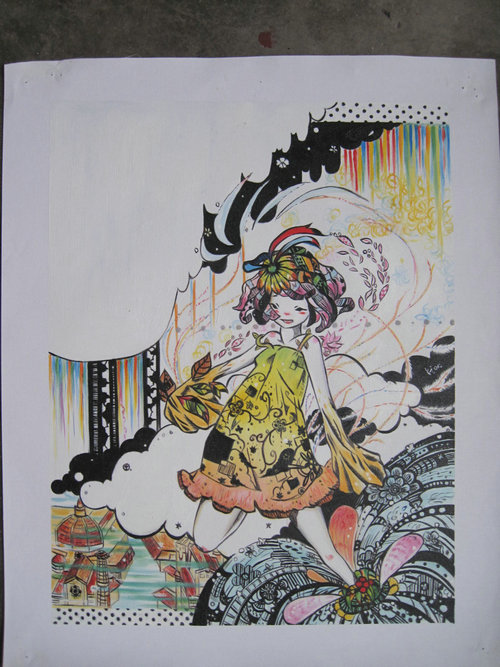 No.8Anime Style Commission No.91
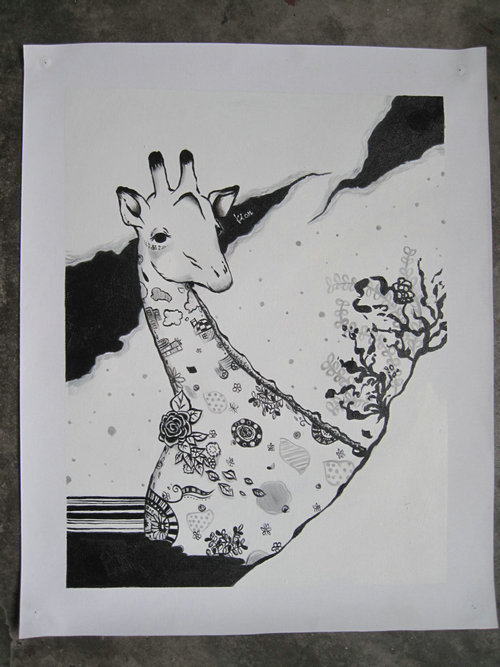 No.7Anime Style Commission No.92
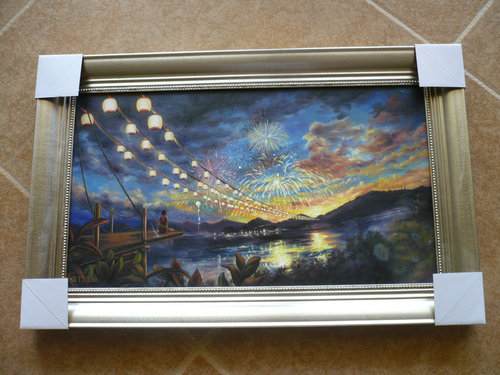 No.6Anime Style Commission No.93
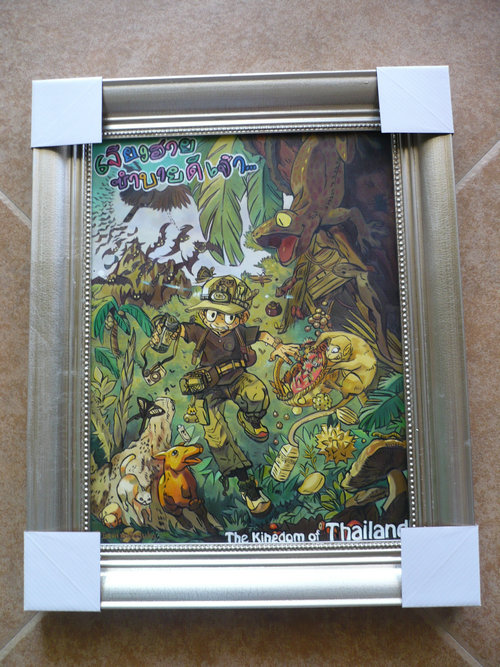 No.5Anime Style Commission No.94
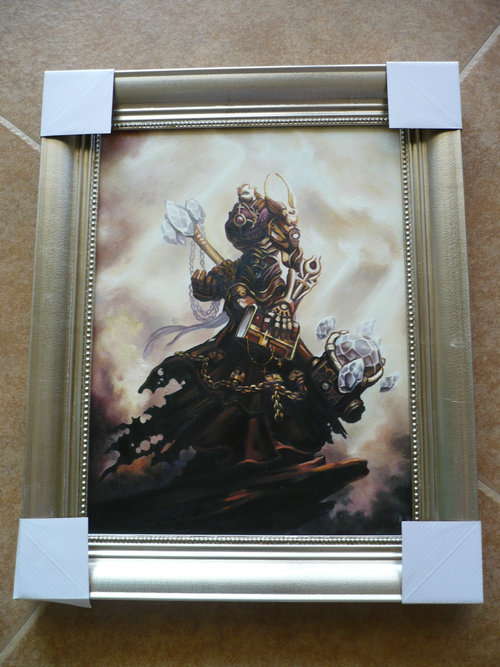 No.4Anime Style Commission No.95
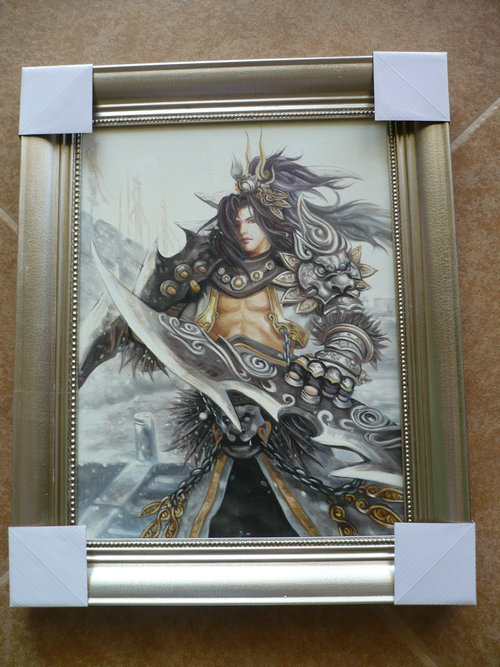 No.3Anime Style Commission No.96
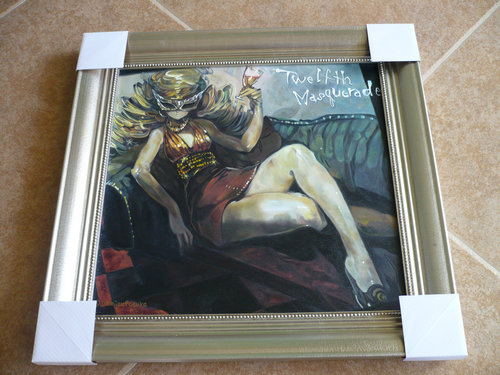 No.2Anime Style Commission No.97
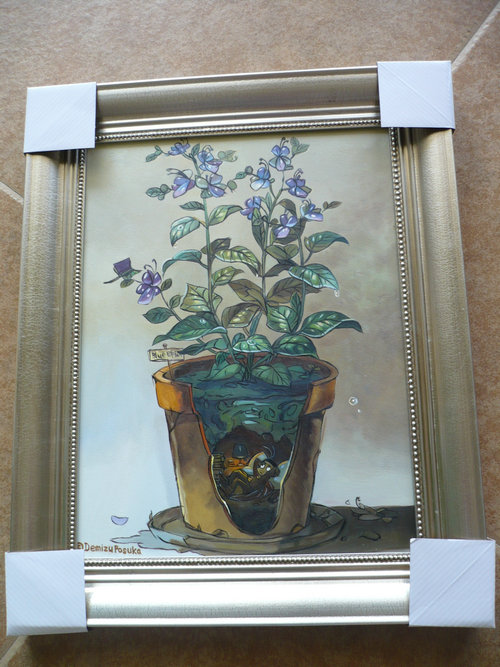 No.1Anime Style Commission No.98
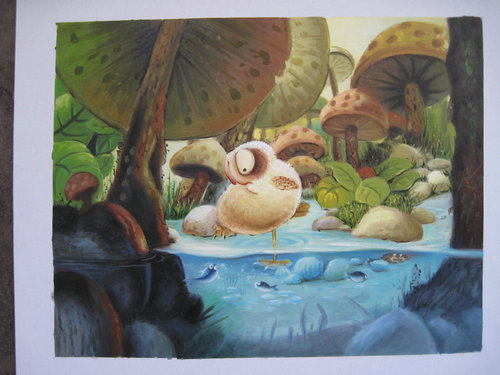 No.70Anime Style Commission No.99
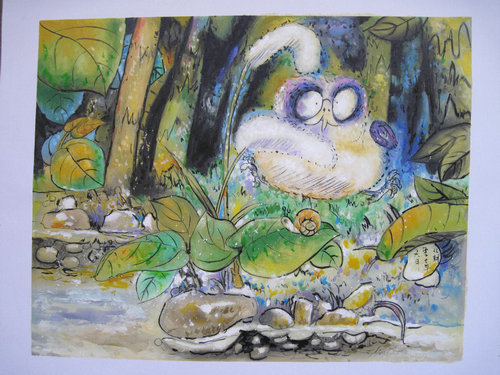 No.69Anime Style Commission No.100
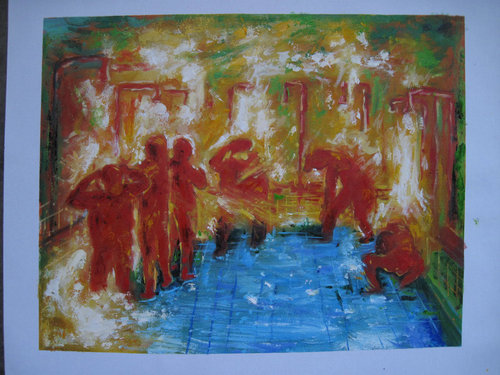 No.68Public Bath (Sento)
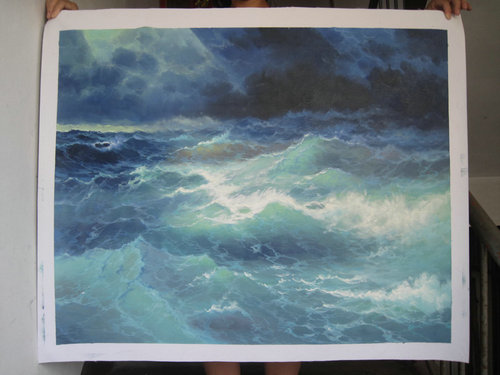 No.40Waves
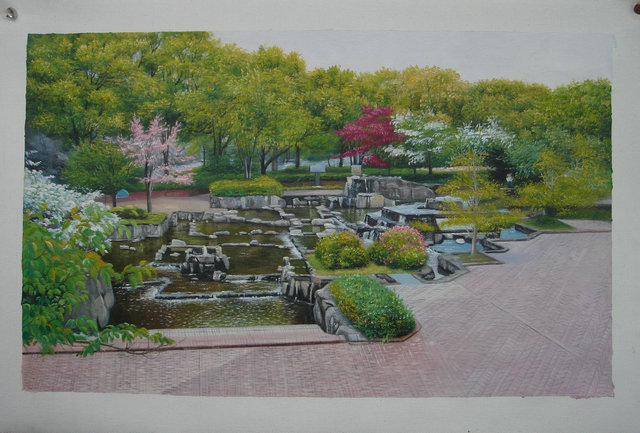 No.39Hisaya-odori Park, Nagoya
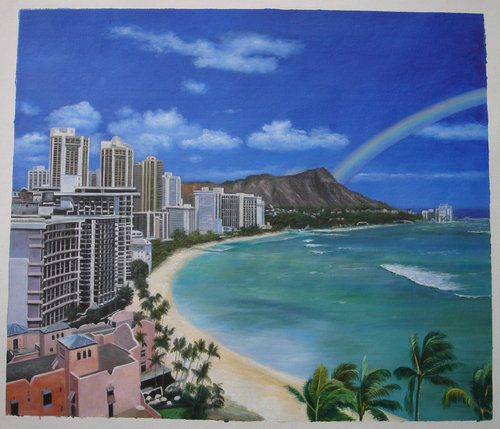 No.38Hawaii
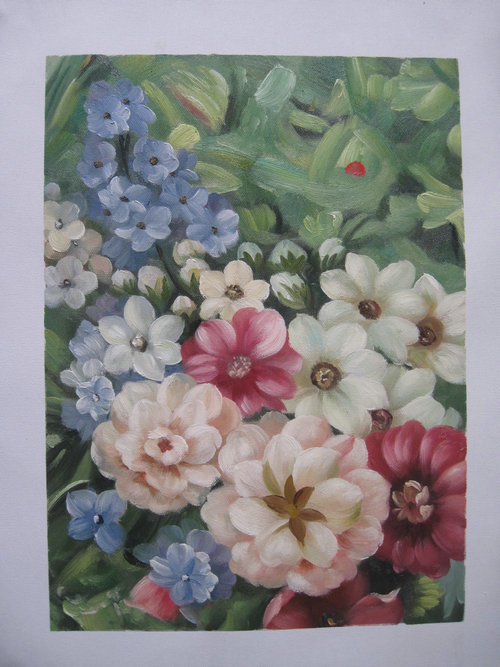 No.37Flowers
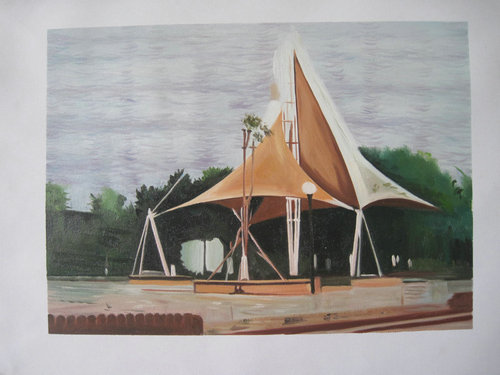 No.35Seaside II
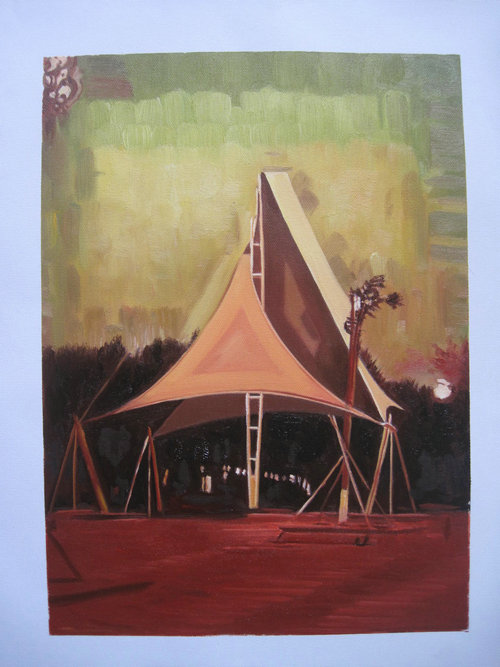 No.36Seaside I
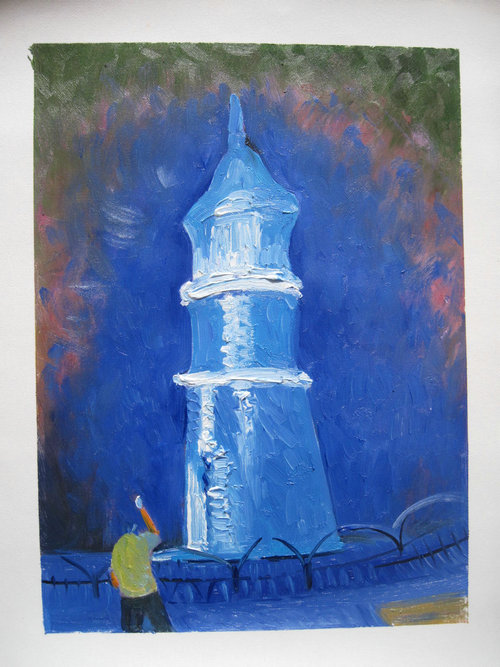 No.34Buddhist Stupa
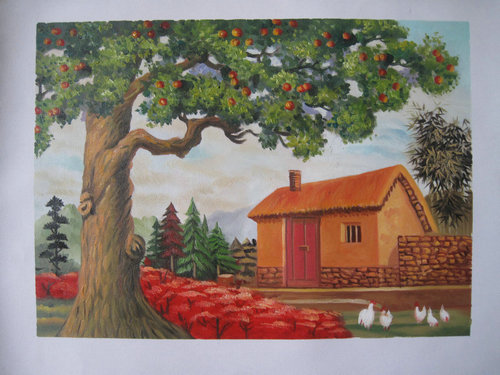 No.32Pastoral Scene
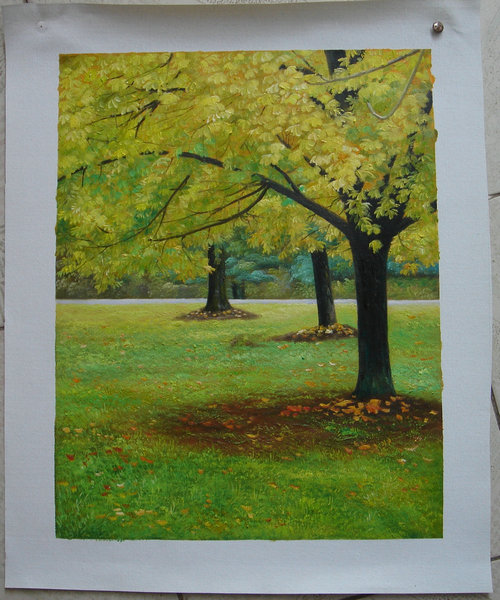 No.31Park Scene
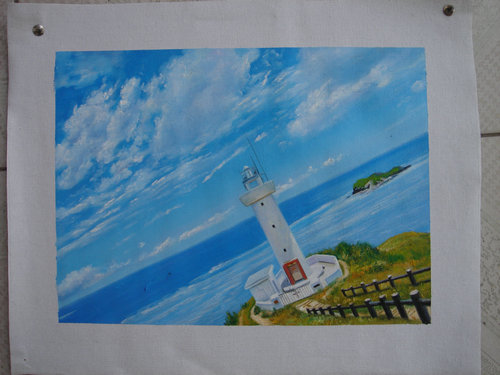 No.30Lighthouse
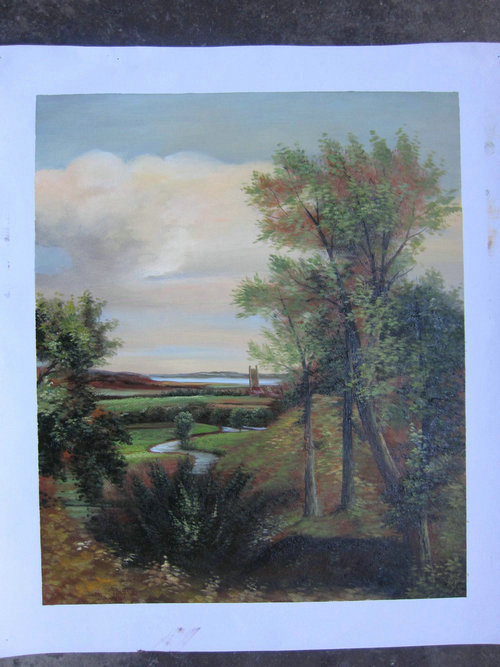 No.26Realistic Landscape No.112
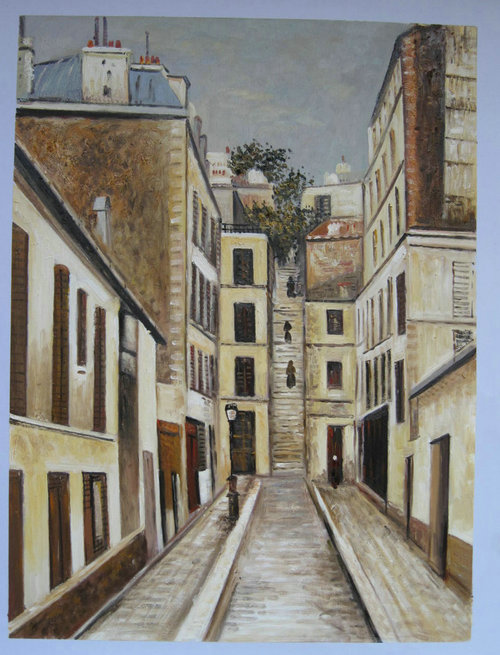 No.25Realistic Landscape No.113
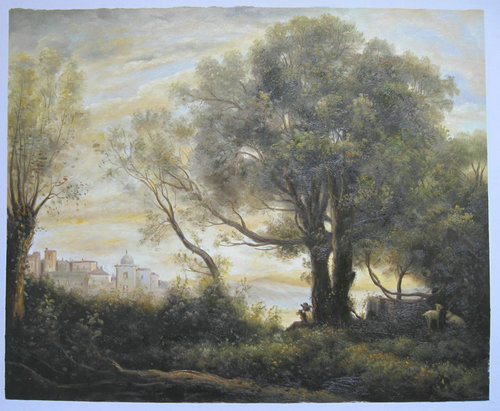 No.24Realistic Landscape No.114
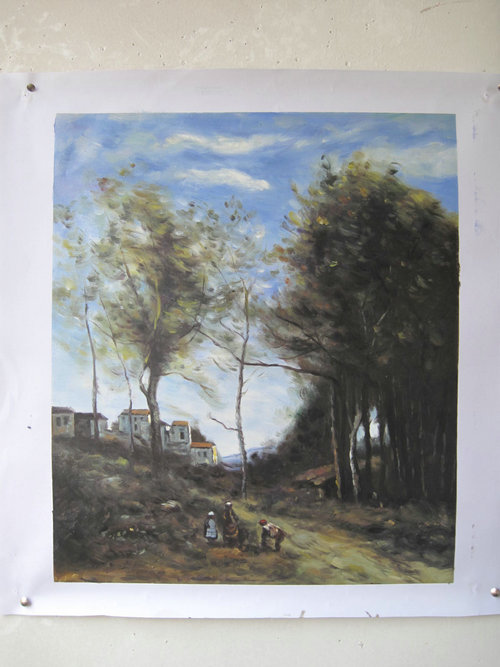 No.23Realistic Landscape No.115
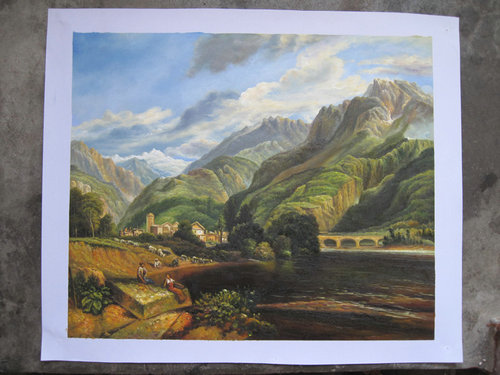 No.22Realistic Landscape No.116
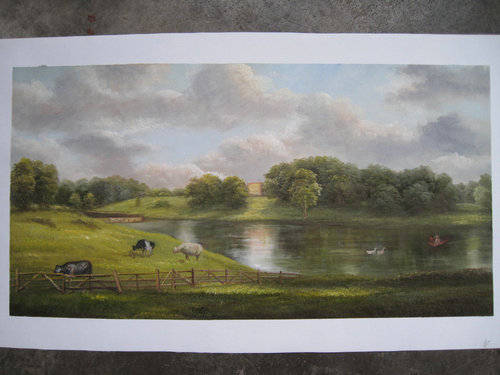 No.21Realistic Landscape No.117
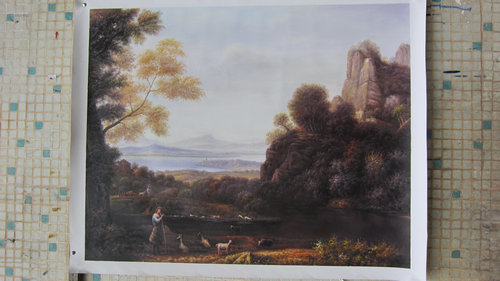 No.20Realistic Landscape No.118
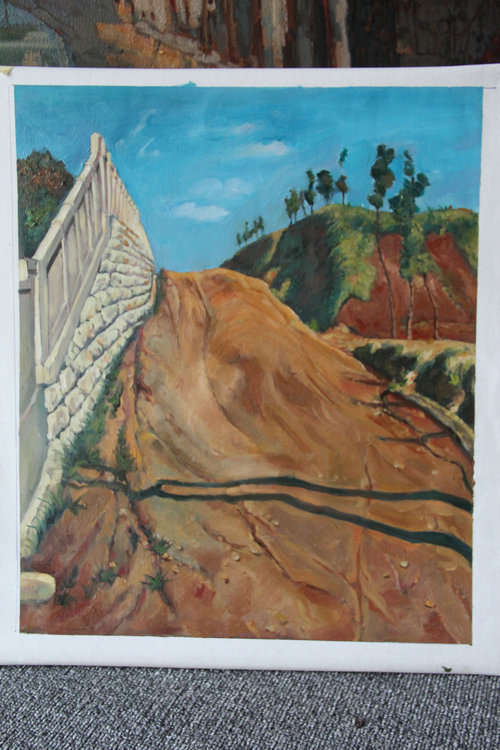 No.19Road, Embankment and Wall (Sketch from Life)
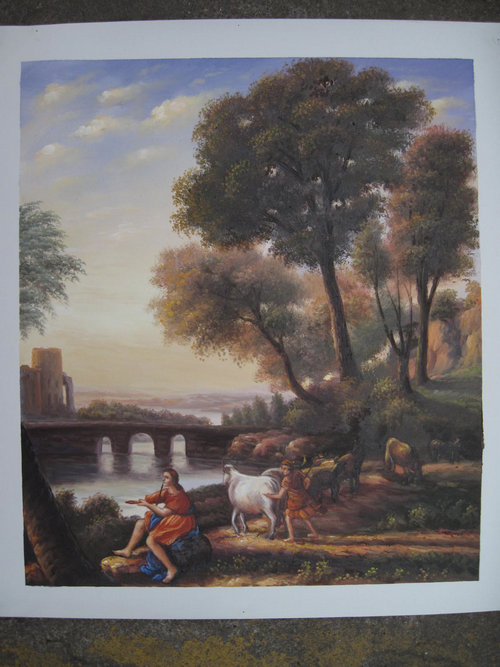 No.18Realistic Landscape No.120
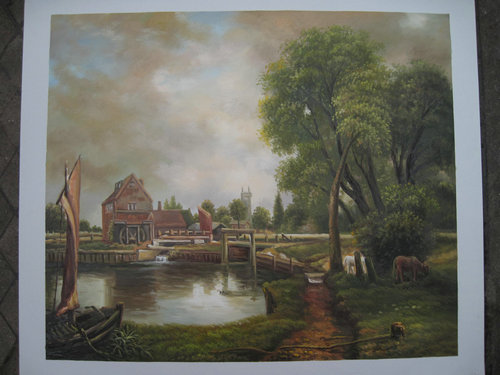 No.17Realistic Landscape No.121
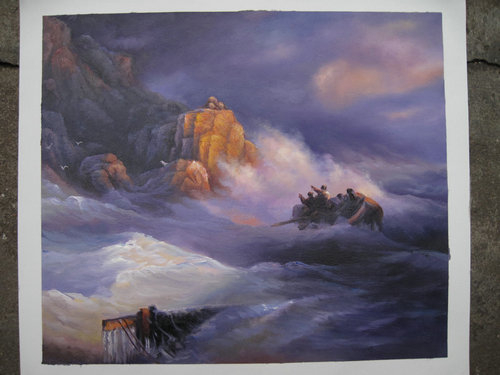 No.16Realistic Landscape No.122
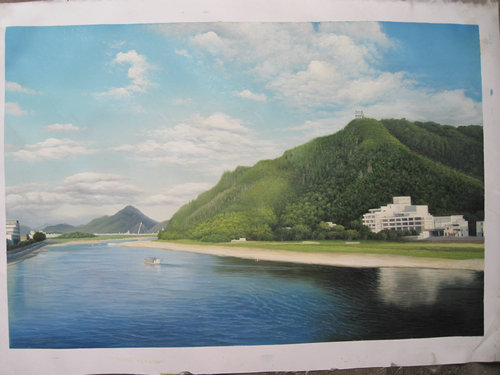 No.10Realistic Landscape No.123
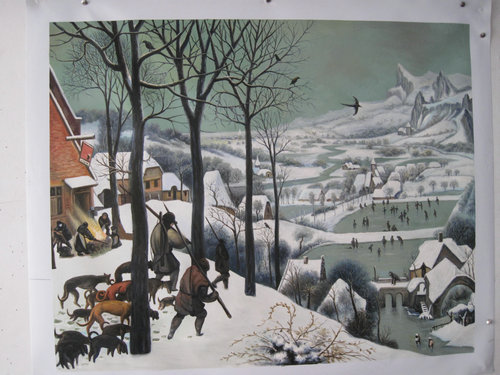 No.9Realistic Landscape No.124
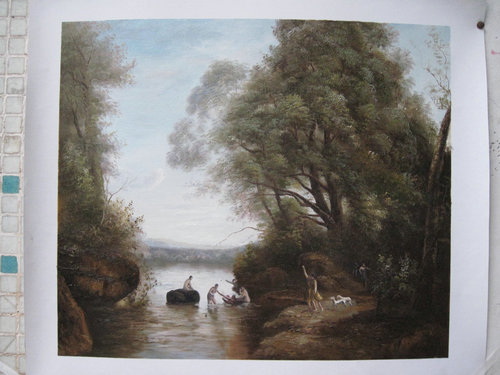 No.8Realistic Landscape No.125
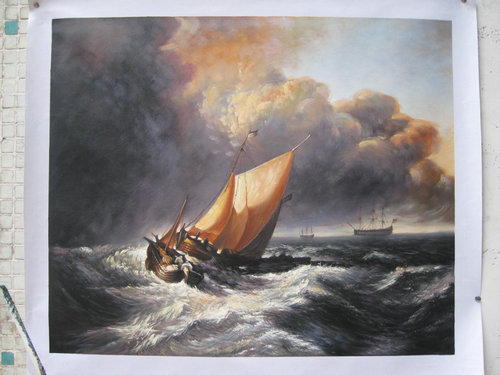 No.7Dutch Ship in a Storm
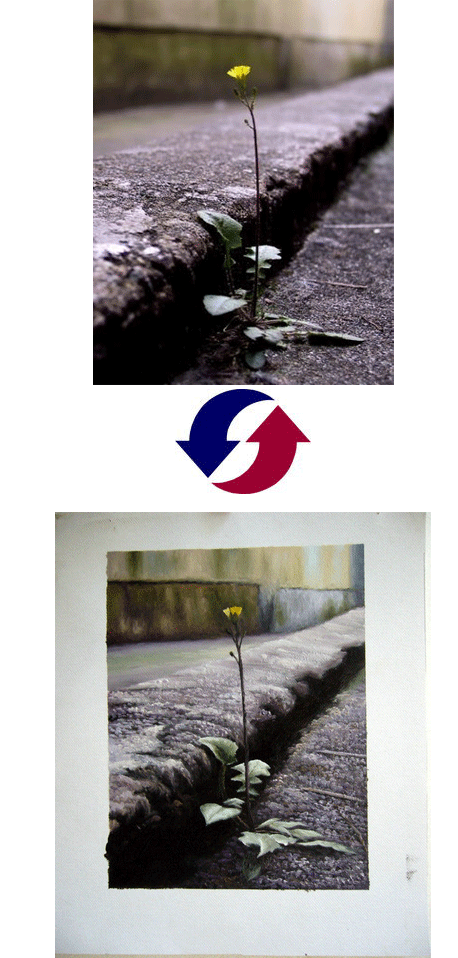 No.0002Realistic Landscape No.127
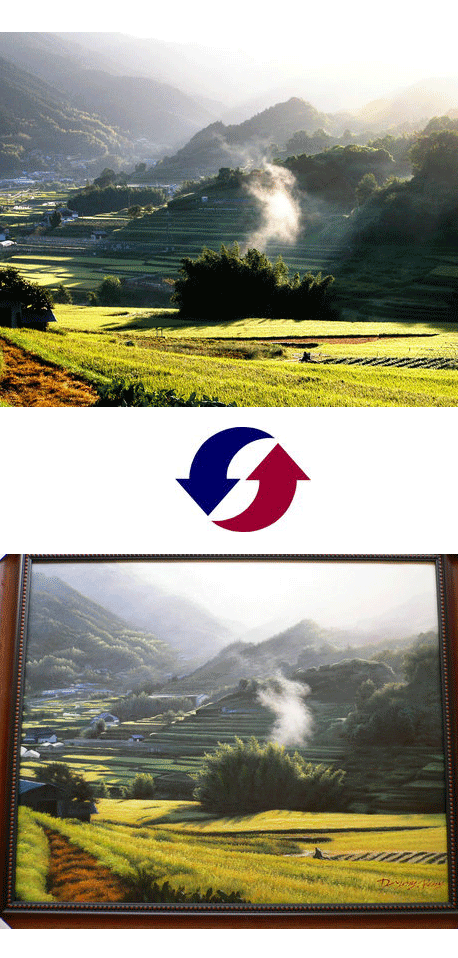 No.0003Realistic Landscape No.128
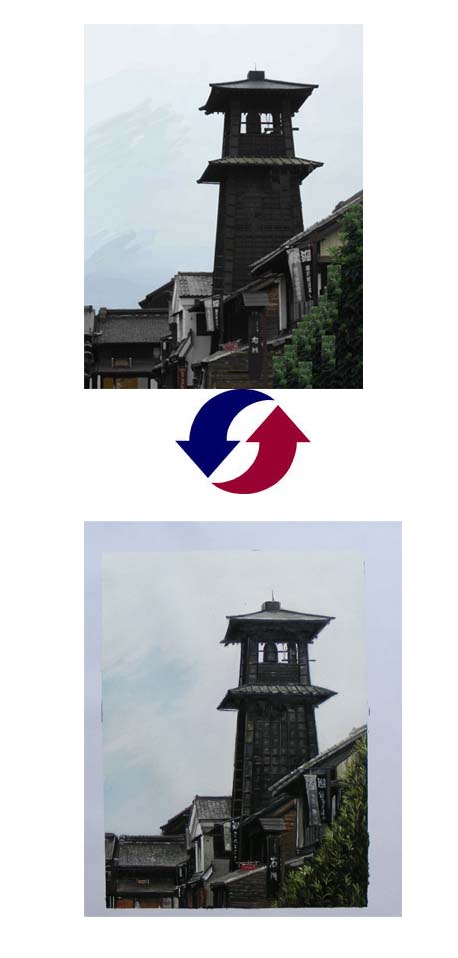 No.0004Realistic Landscape No.129
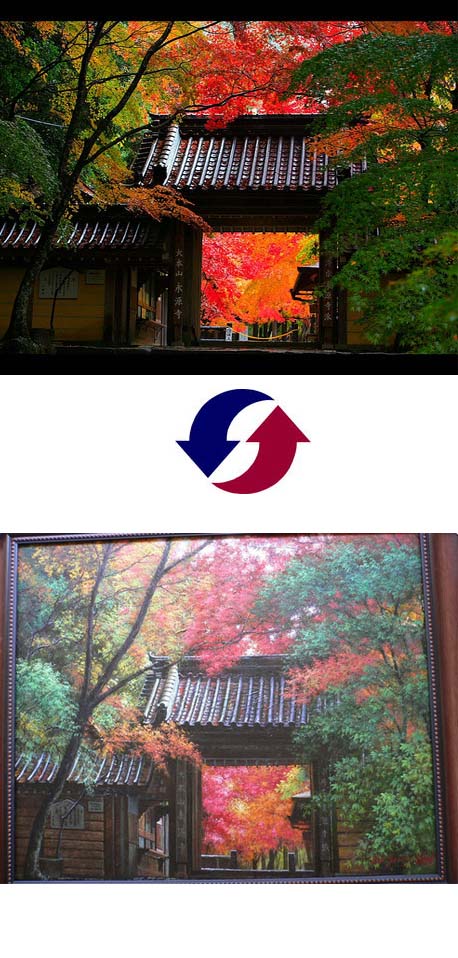 No.0005Realistic Landscape No.130
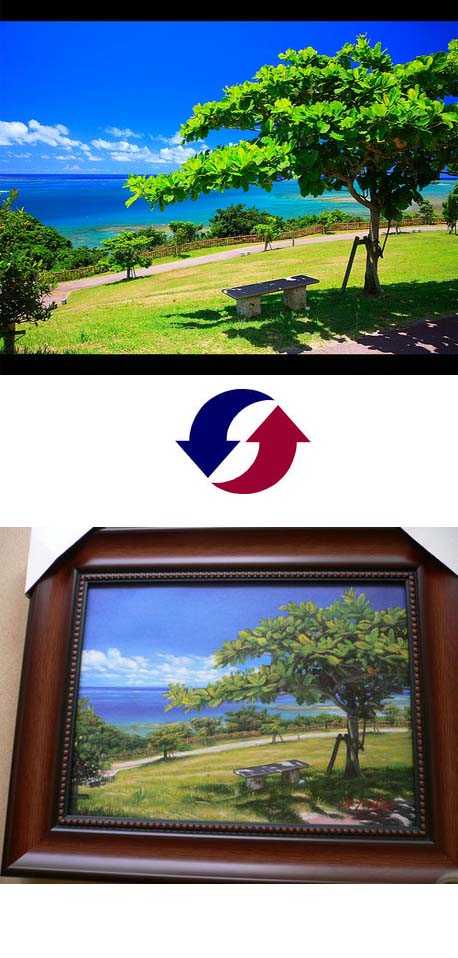 No.0006Realistic Landscape No.131
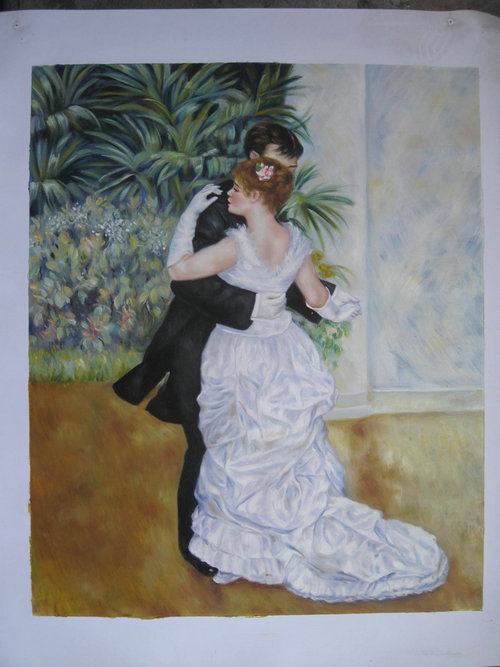 No.100Dance in the City
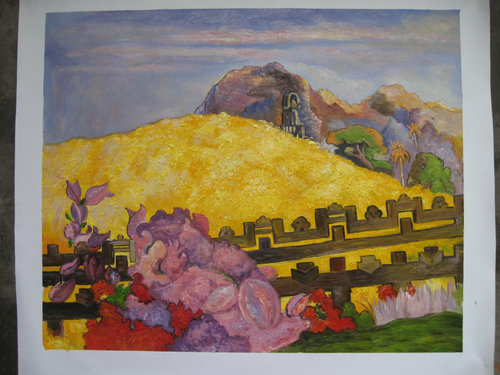 No.99Parahi Te Marae
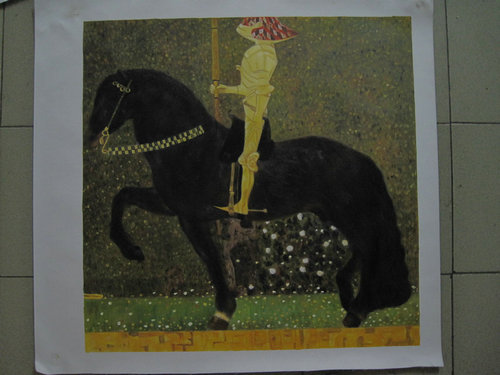 No.98Life is a Battle (The Golden Knight)
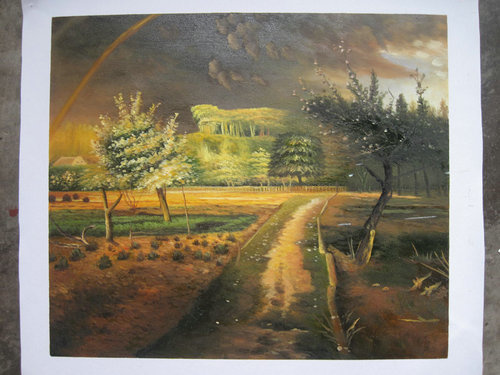 No.97Spring
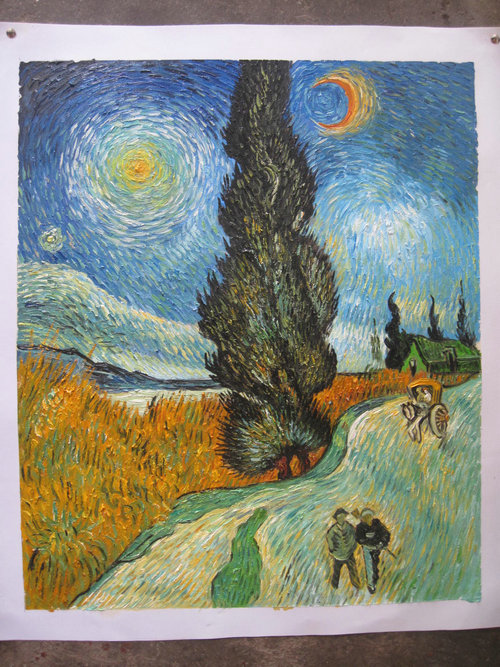 No.96Road with Cypress and Star
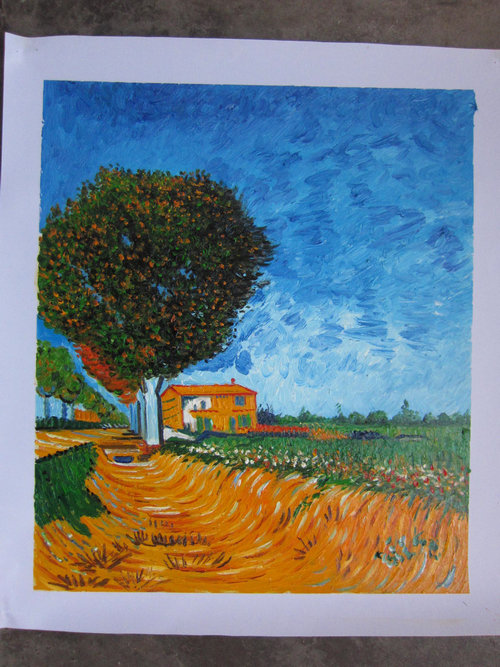 No.95Tree-lined Road with Houses
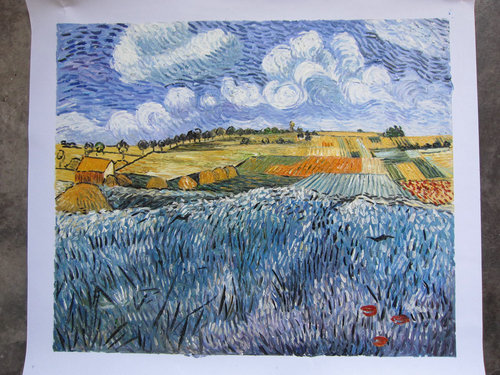 No.94Field at Auvers with Rain Clouds
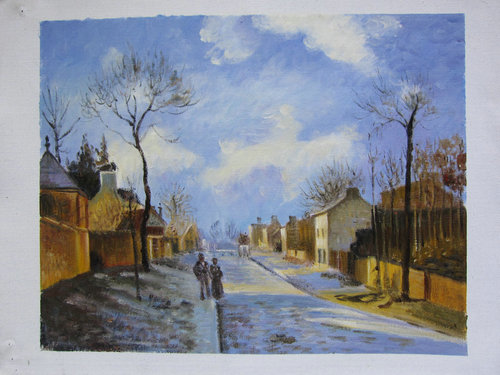 No.93The Road to Louveciennes
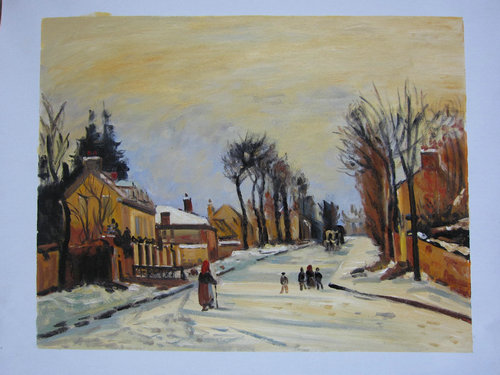 No.92The Versailles Road at Louveciennes (Snow Effect)
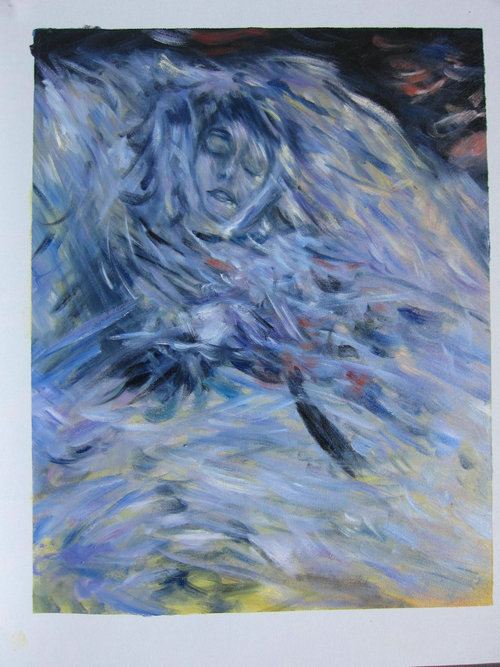 No.91Camille Monet on her Deathbed
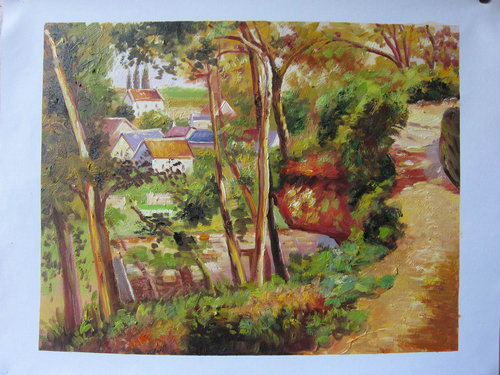 No.90The Hill of the Hermitage, Pontoise
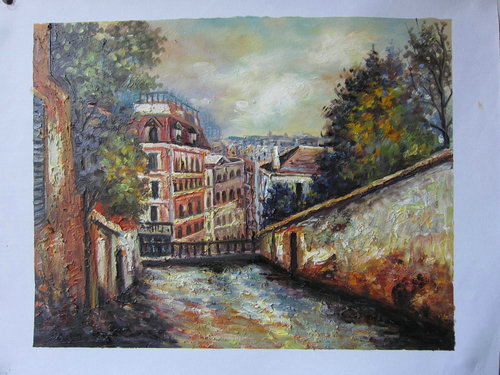 No.89Montmartre Landscape
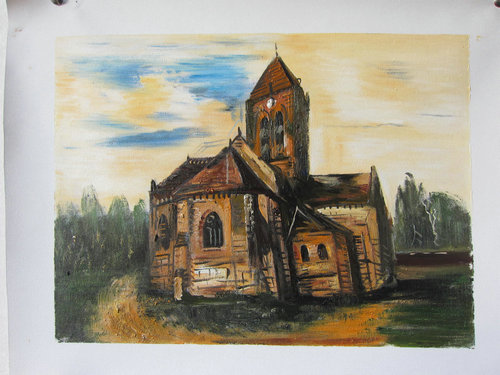 No.88The Church at Auvers
 No.87The Swing
 No.86The Quarries at Saint-Romain-en-Gal
 No.85La Grenouillere
 No.84Intrigue
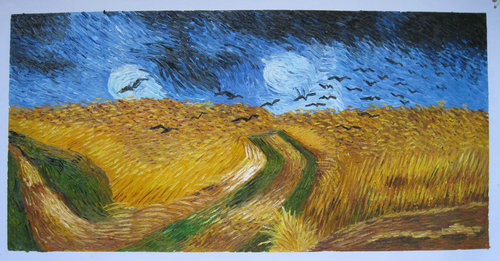 No.83Wheatfield with Crows
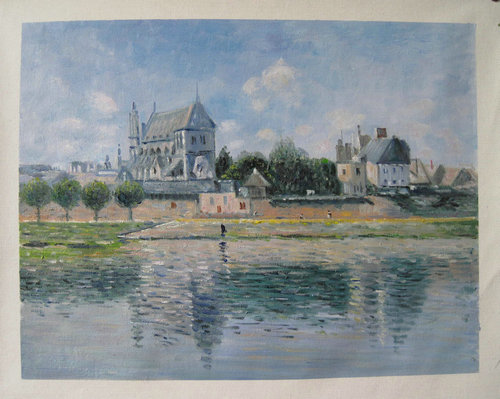 No.82View of the Church at Vernon
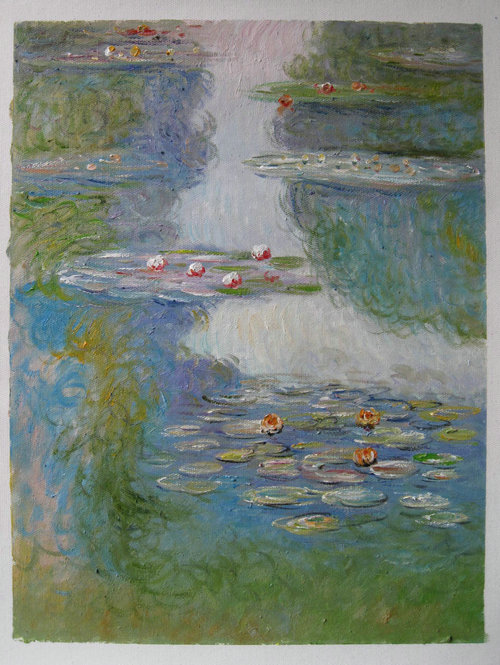 No.81Water Lilies
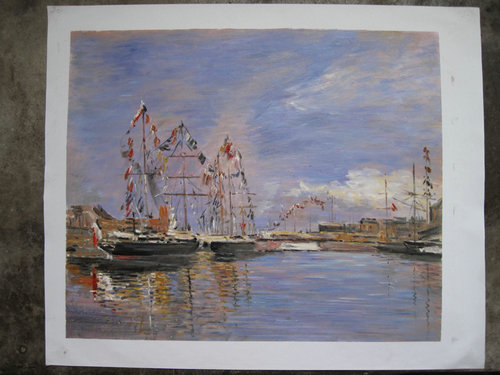 No.80Ships in the Port of Deauville, Decorated with Flags
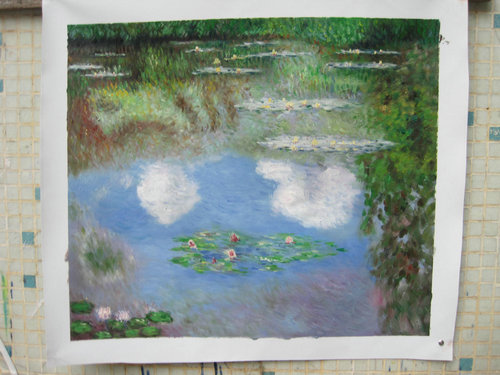 No.79Water Lilies (II)
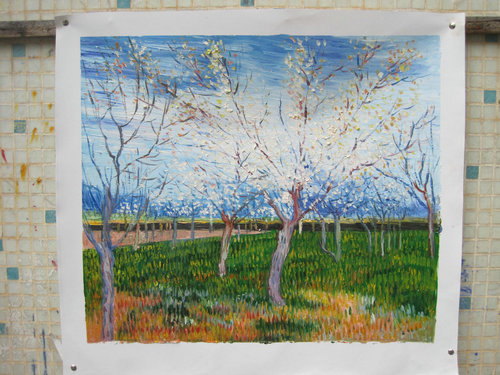 No.78Orchard
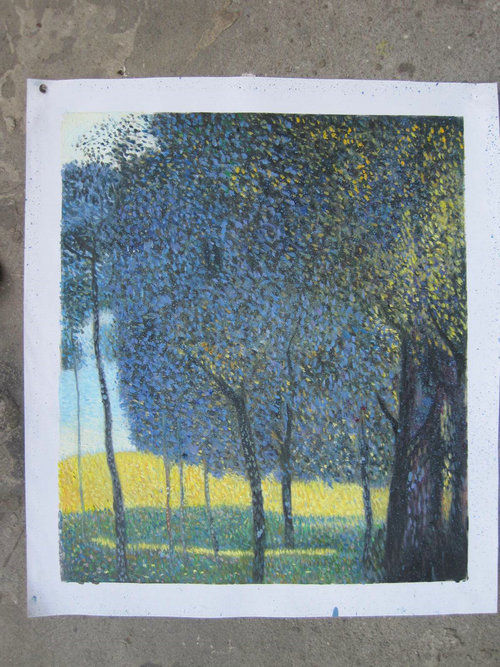 No.77Orchard (II)
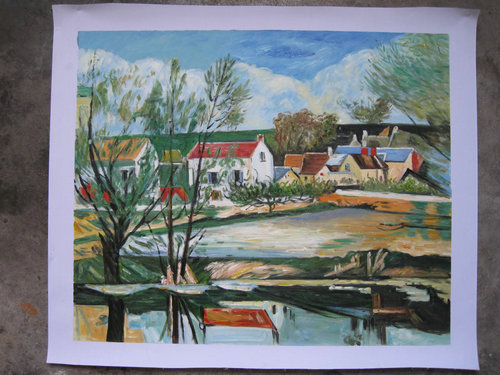 No.76Impressionist Landscape No.156
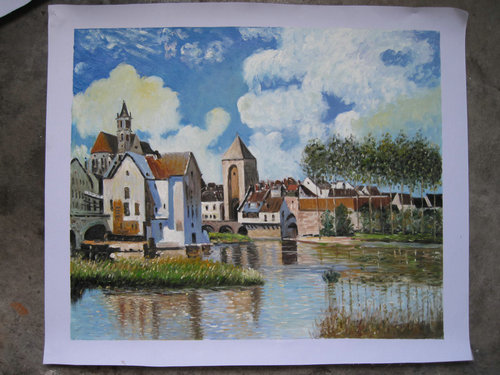 No.75Moret-sur-Loing
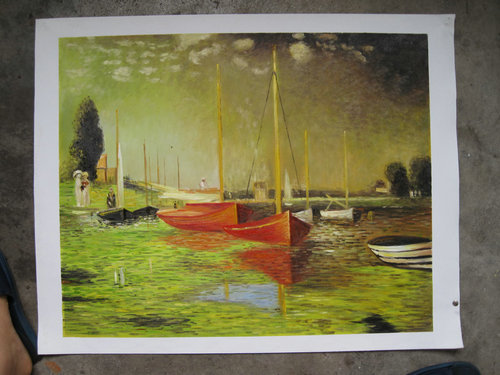 No.74Impressionist Landscape No.158
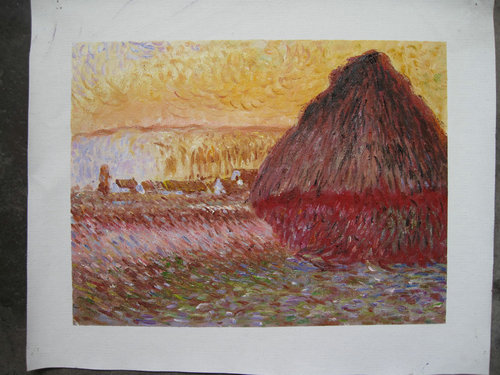 No.73Stacks of Wheat (Sunset)
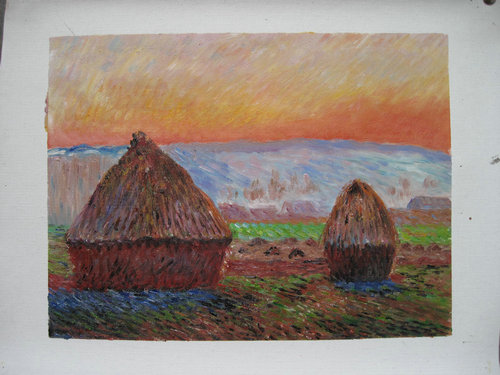 No.72Stacks of Wheat (Setting Sun)
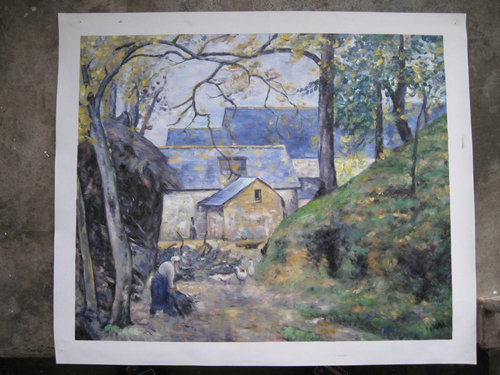 No.71The Farm at Montfoucault
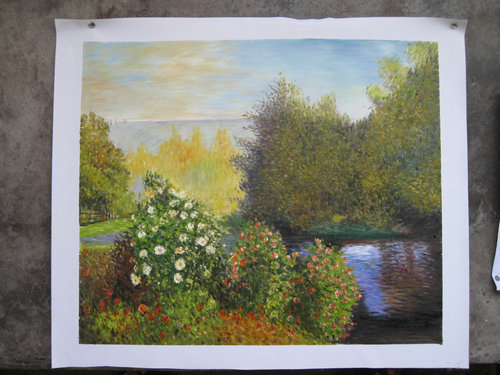 No.70The Garden at Montgeron
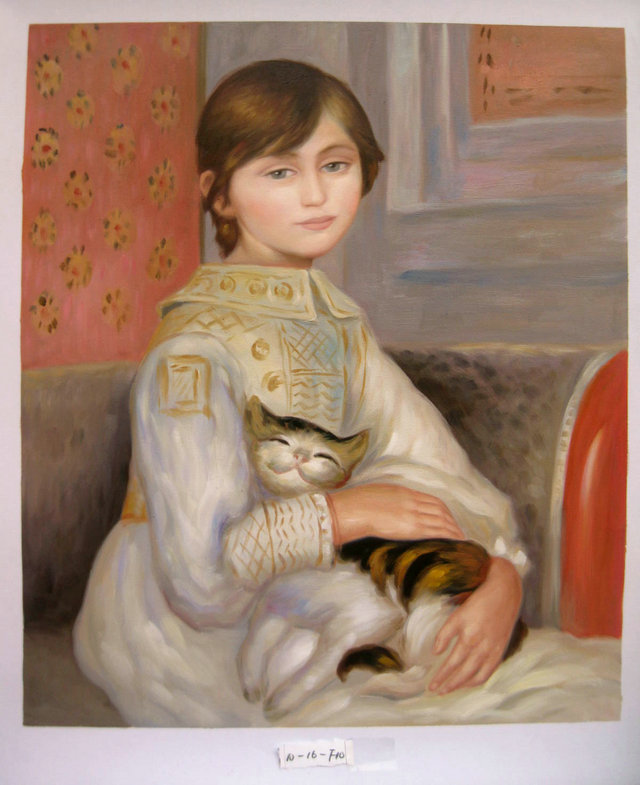 No.110Girl Holding a Cat
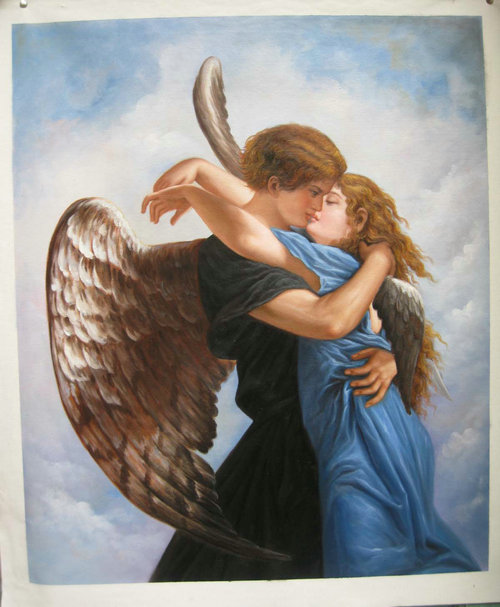 No.109The Kiss
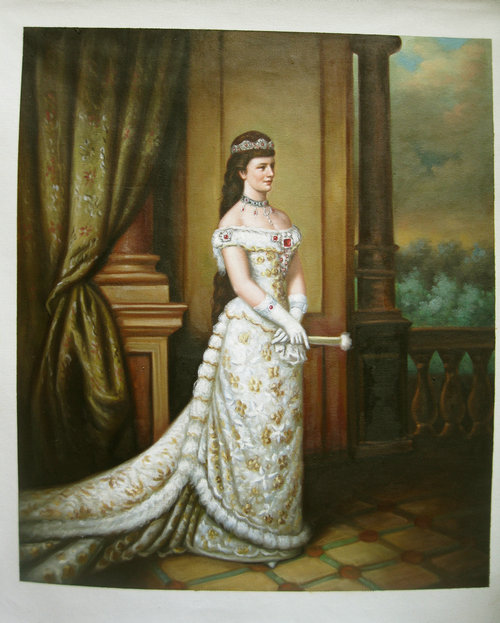 No.108Elisabeth
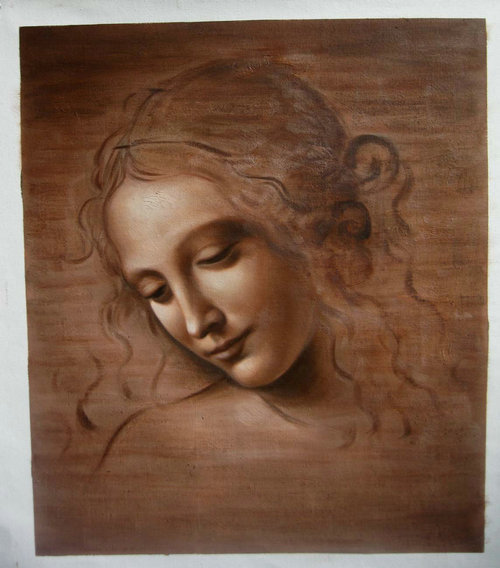 No.106Woman with Dishevelled Hair (La Scapigliata)
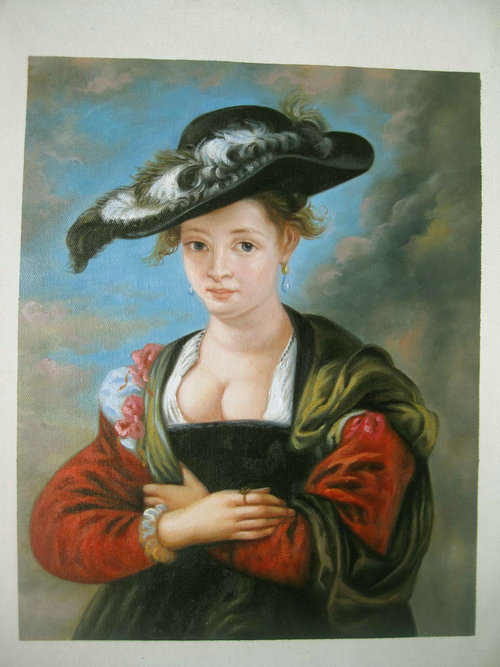 No.105The Straw Hat (Portrait of Suzanne Fourment)
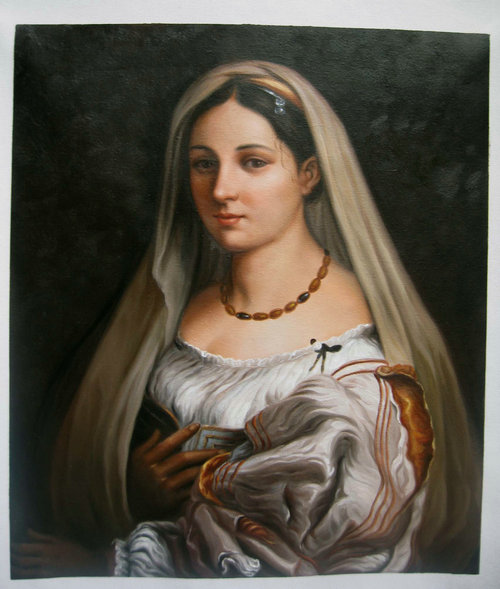 No.104Portrait of a Woman in a Veil (La Velata)
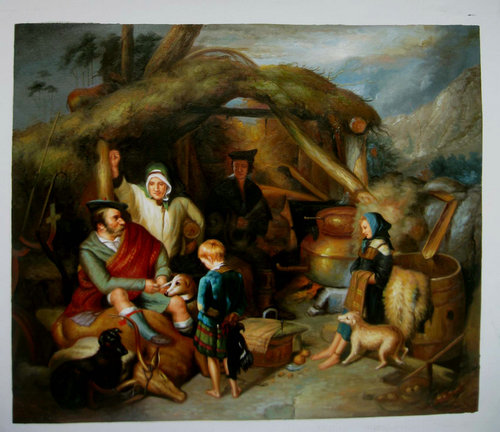 No.103Highland Whisky Still
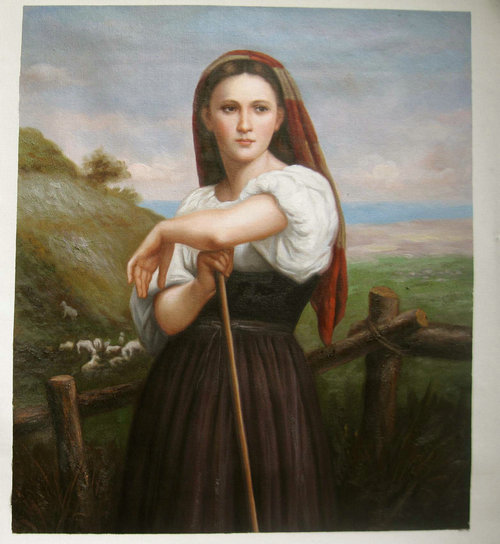 No.102The Shepherdess
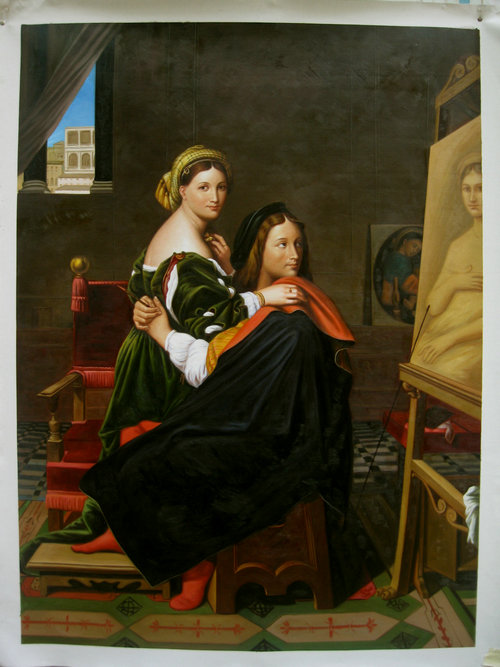 No.101Raphael and the Fornarina
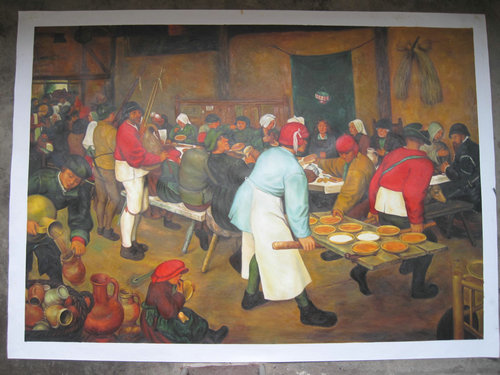 No.100The Peasant Wedding
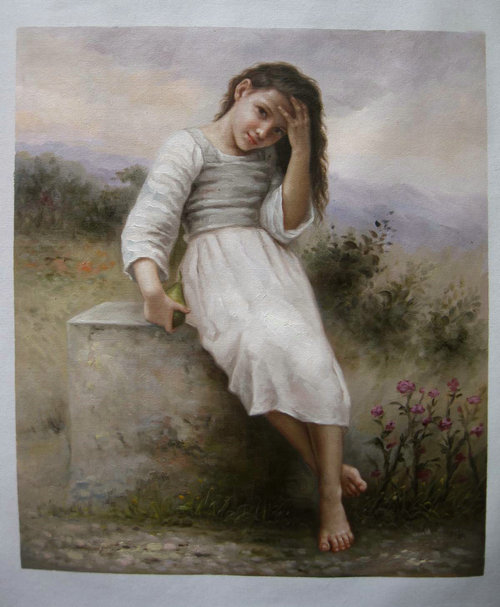 No.99The Little Thief
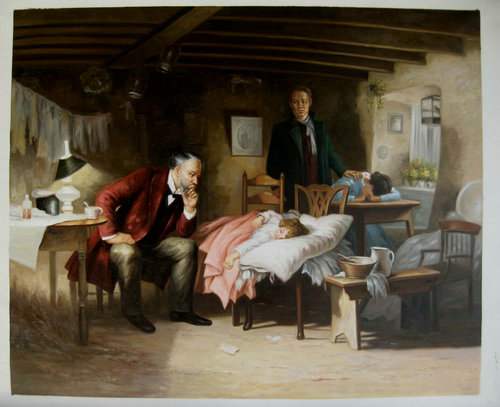 No.98The Doctor
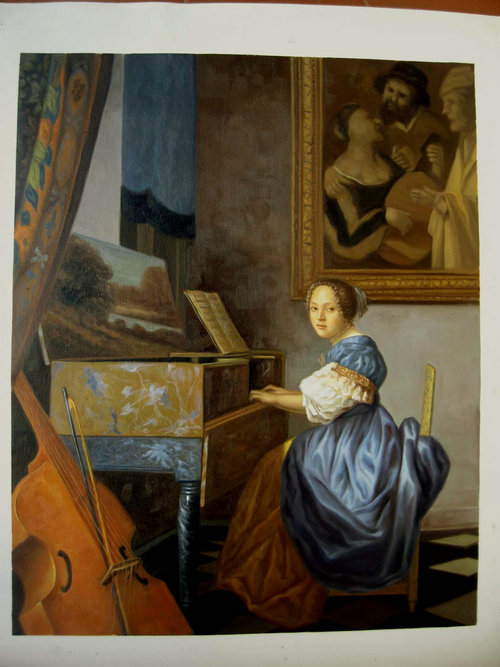 No.97Lady Seated at a Virginal
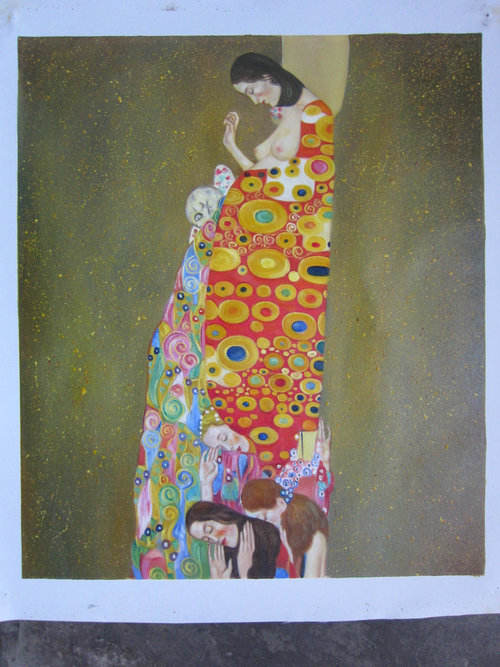 No.96Hope II
 No.95The Bridesmaid
 No.94Girl with a Bouquet
 No.93Portrait of Princess Marie Franziska of Liechtenstein, Aged Two
 No.92Count Toulouse-Lautrec at Breakfast
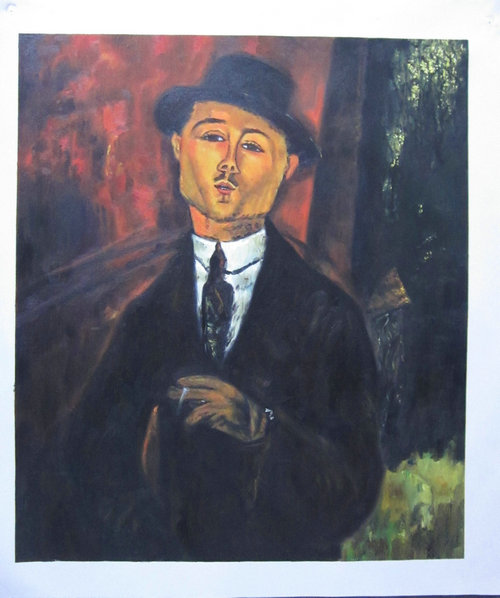 No.91Portrait of Paul Guillaume (No. 2)
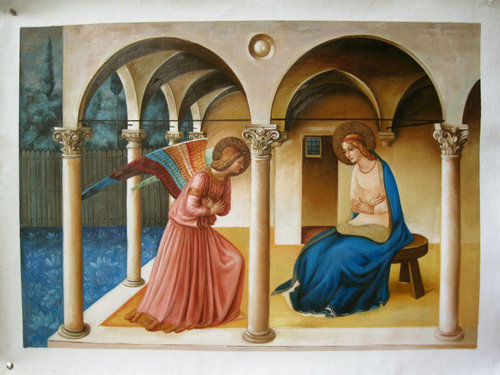 No.90The Annunciation
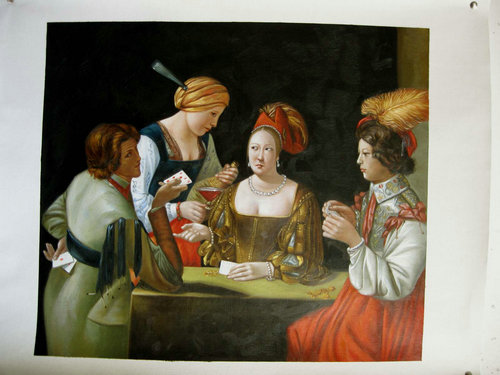 No.89The Cheat with the Ace of Diamonds
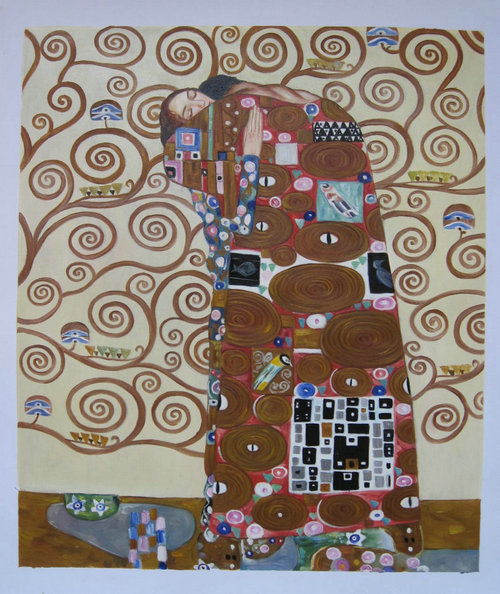 No.62The Embrace
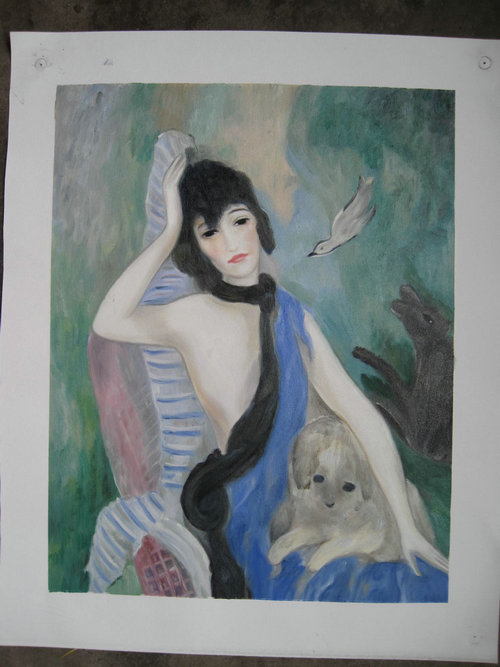 No.88Portrait of Coco Mademoiselle Chanel
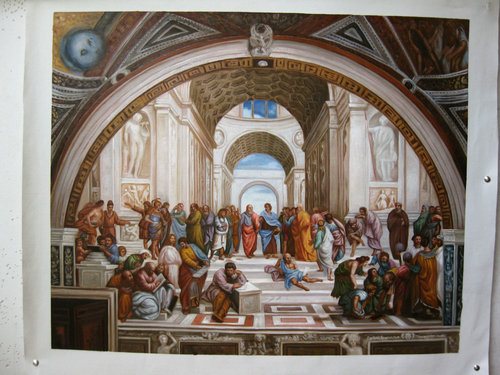 No.87The School of Athens
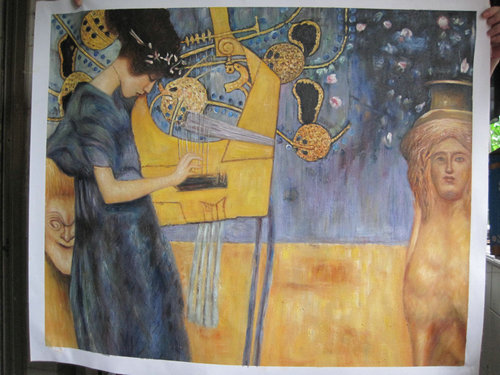 No.86Music
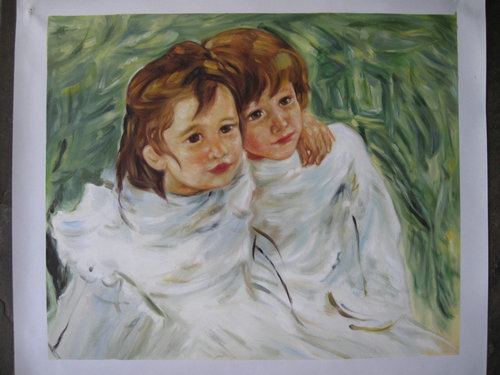 No.85The Sisters
 No.84Portrait of Jeanne Hebuterne with her Back to the Door
 No.83Treasures of the Earth
 No.82Beethoven Frieze
 No.81Dear Bird
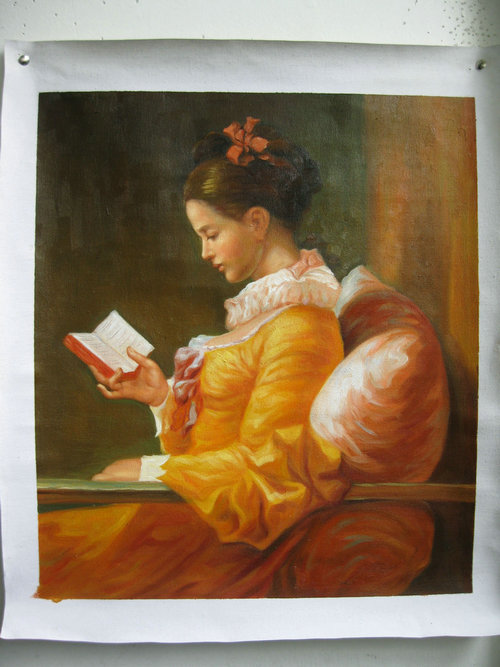 No.79Figure Study No.193
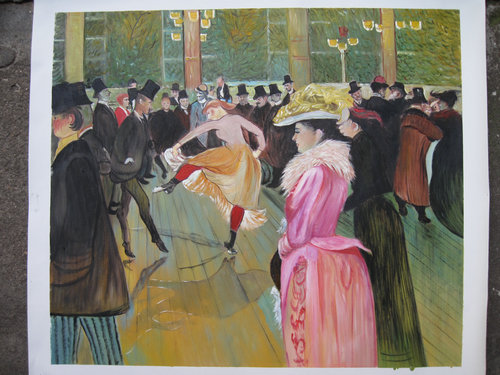 No.77Figure Study No.194
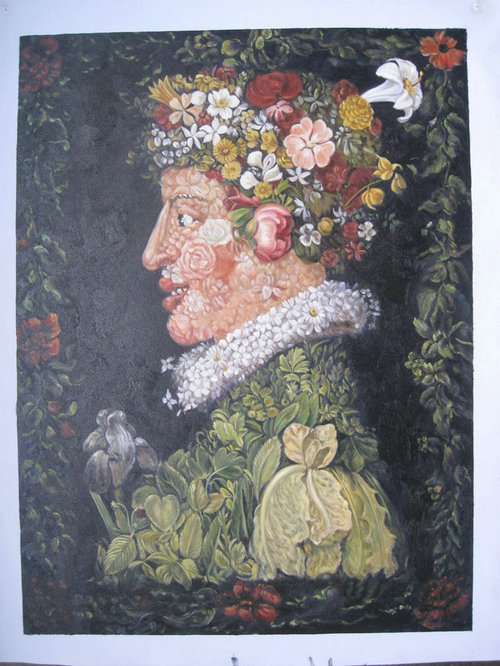 No.38Spring
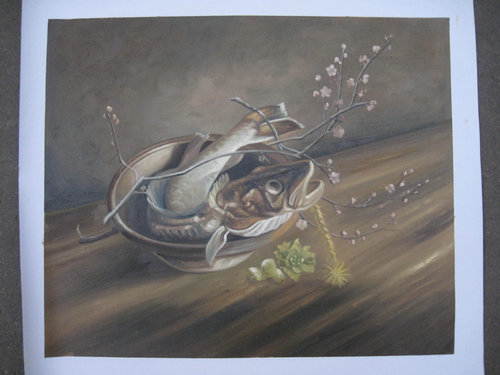 No.37Cod and Plum Blossoms
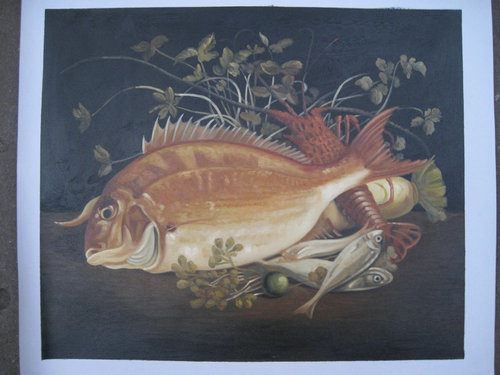 No.36Sea Bream (Tai)
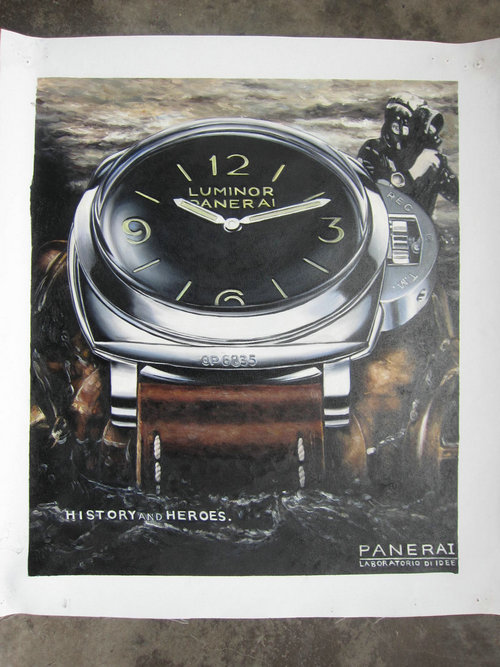 No.35Wristwatch
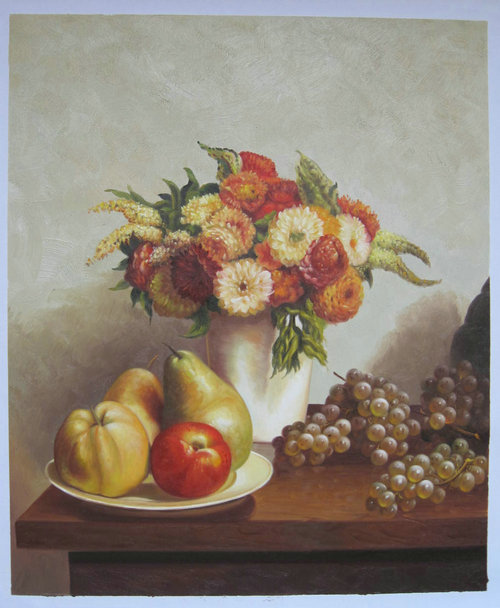 No.34Flowers and Fruit
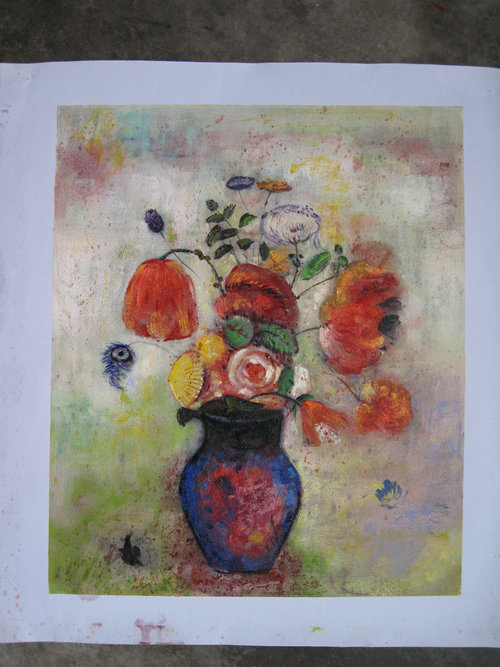 No.33Still Life No.200
 No.32Fruit from Southern France
 No.31White Roses
 No.30Blue Vase
 No.29Still Life No.204
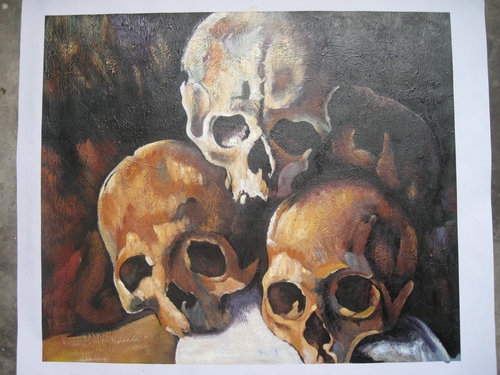 No.28Pyramid of Skulls
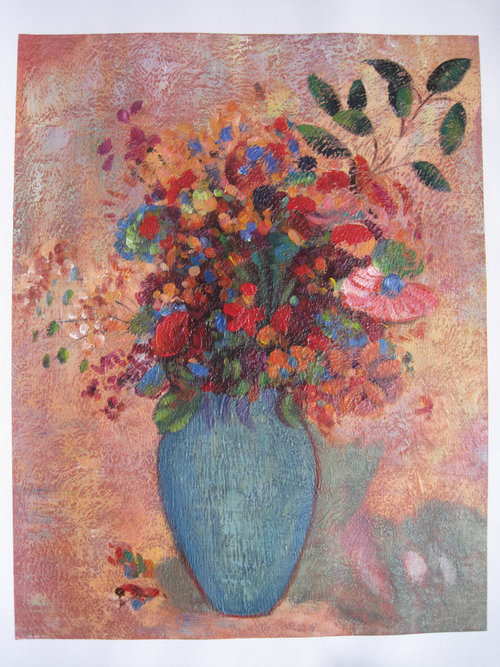 No.27Still Life No.206
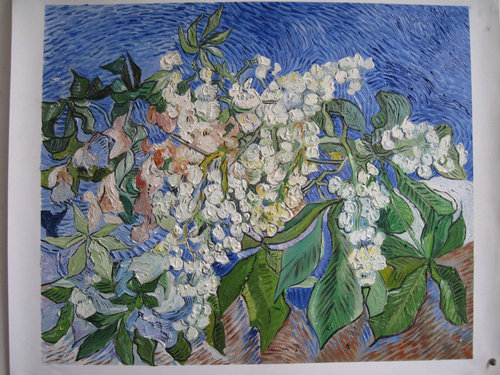 No.26Still Life No.207
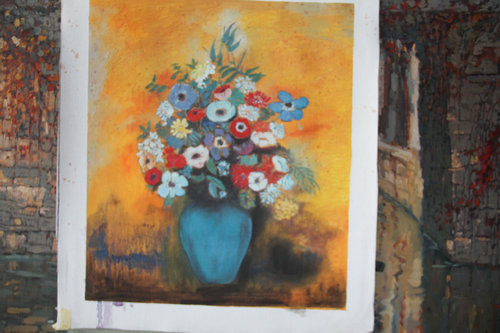 No.25Still Life No.208
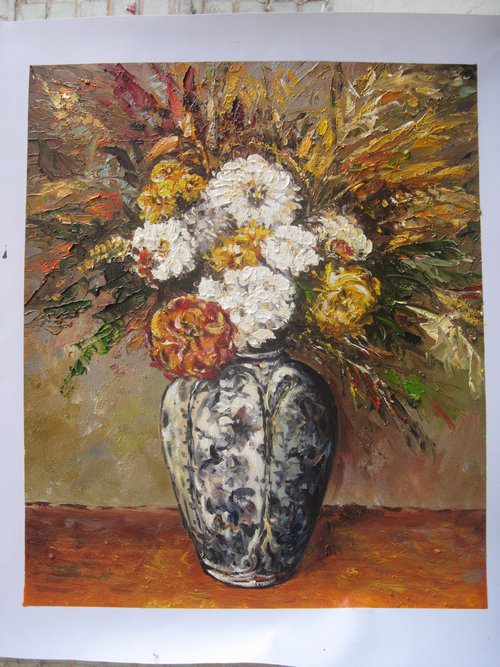 No.22Dahlias in a Delft Vase
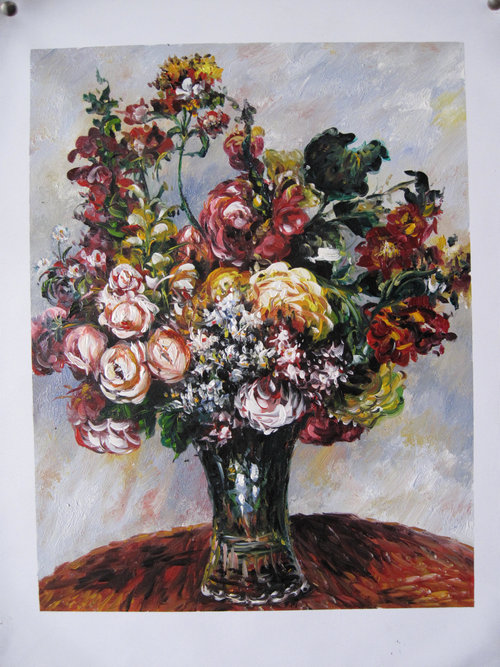 No.21Flowers in a Vase II
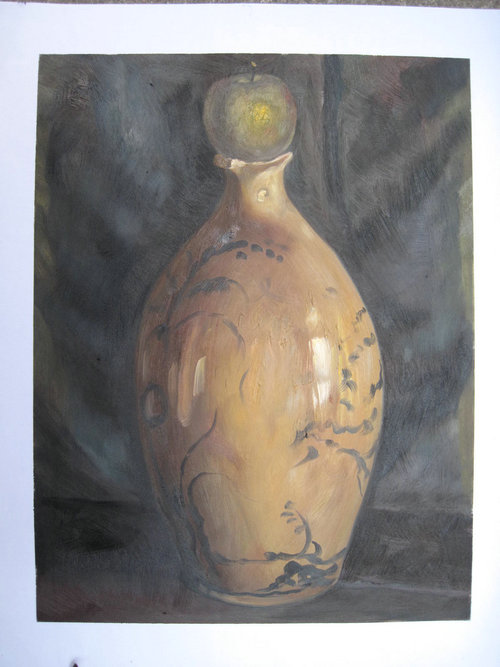 No.20Apples on a Pot
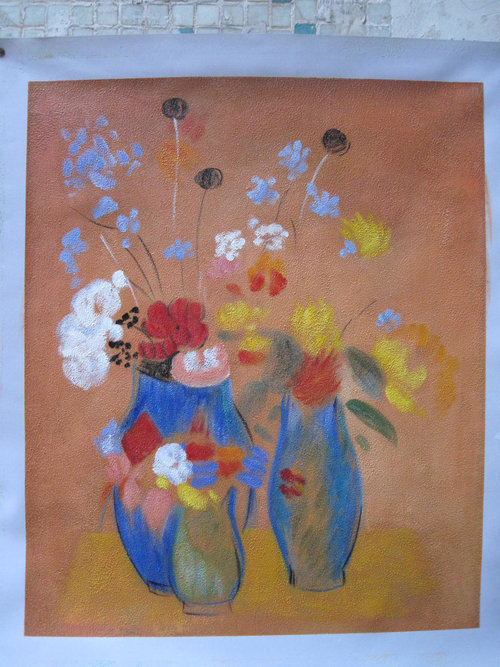 No.19Still Life No.212
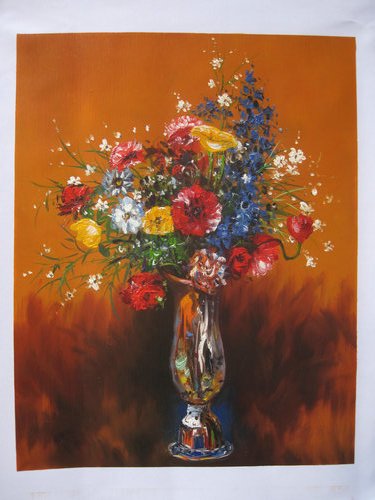 No.18Bouquet
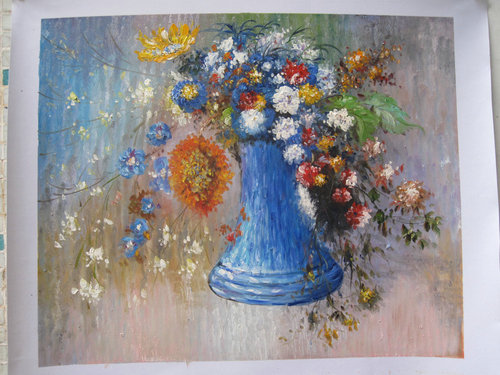 No.17Still Life No.214
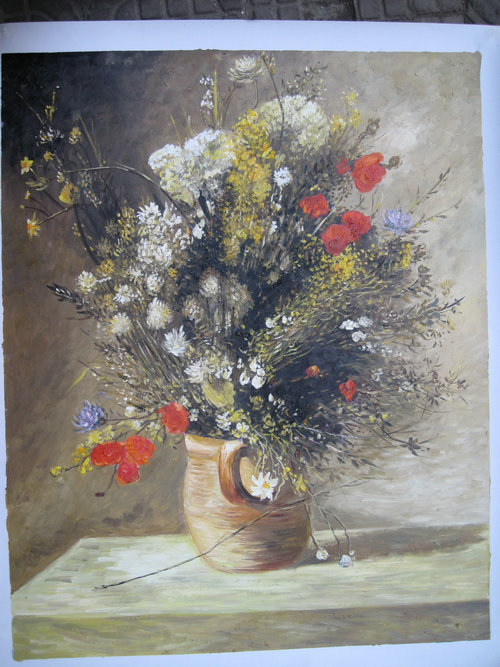 No.16Flowers in a Vase
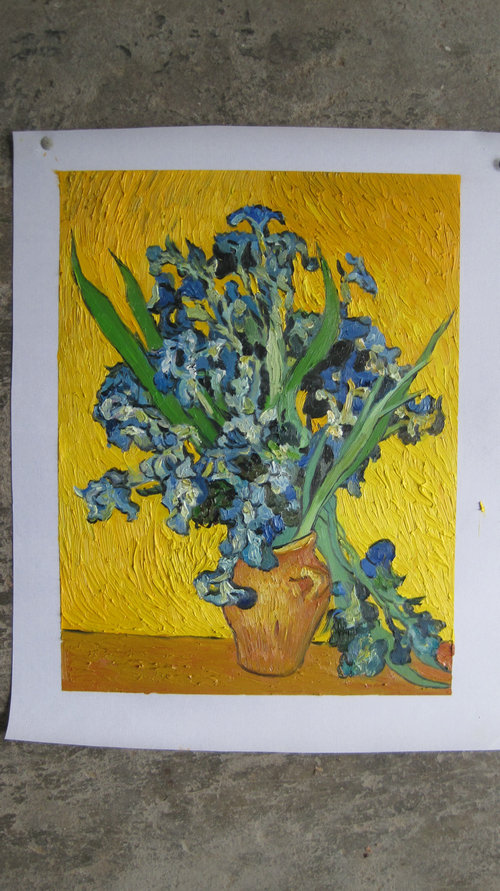 No.15Irises in a Vase
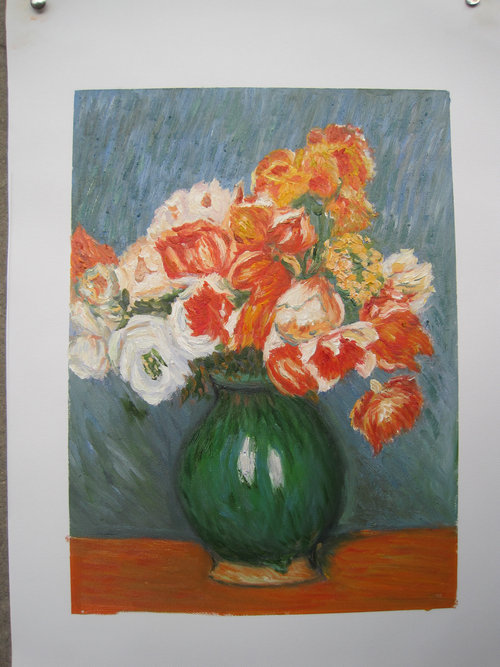 No.14Anemones in a Blue Vase
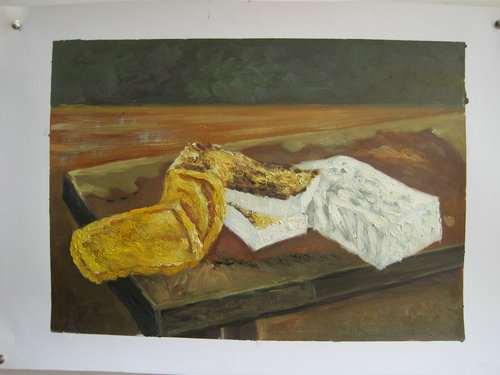 No.13Tofu
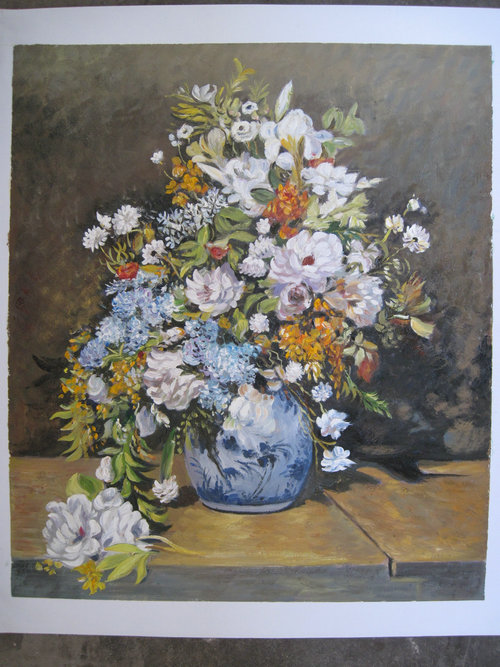 No.12Spring Bouquet
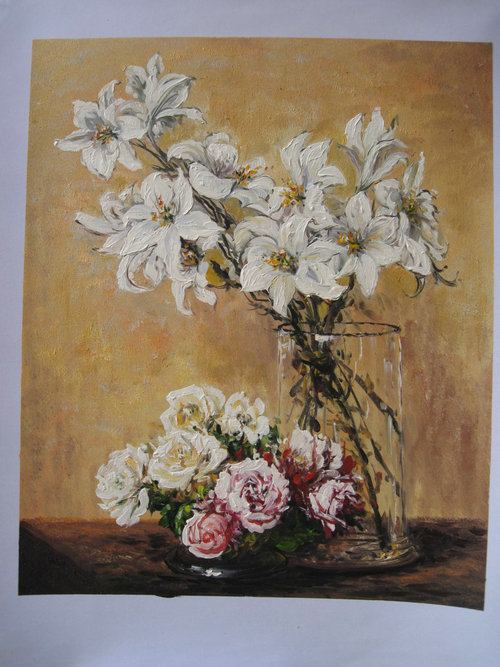 No.11Roses and Lilies
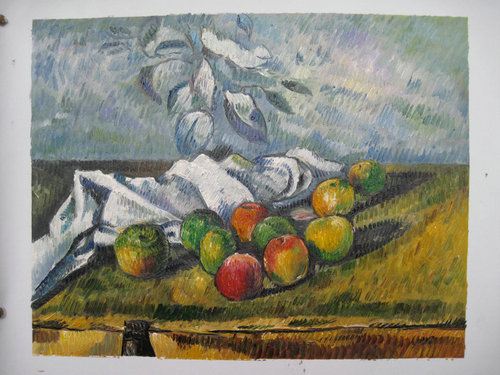 No.10Apples and Napkin
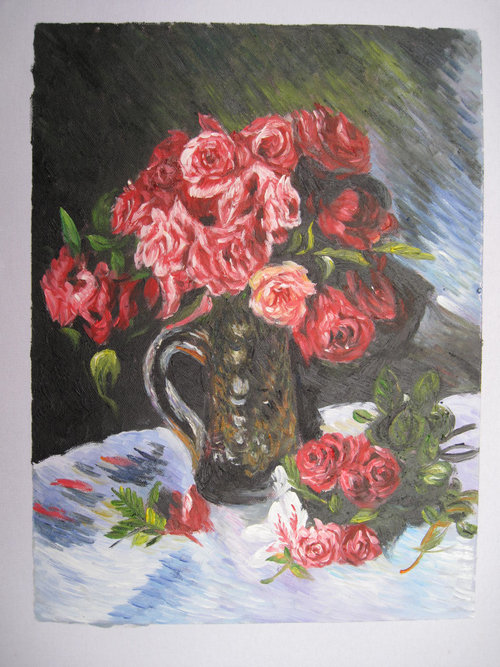 No.9Roses
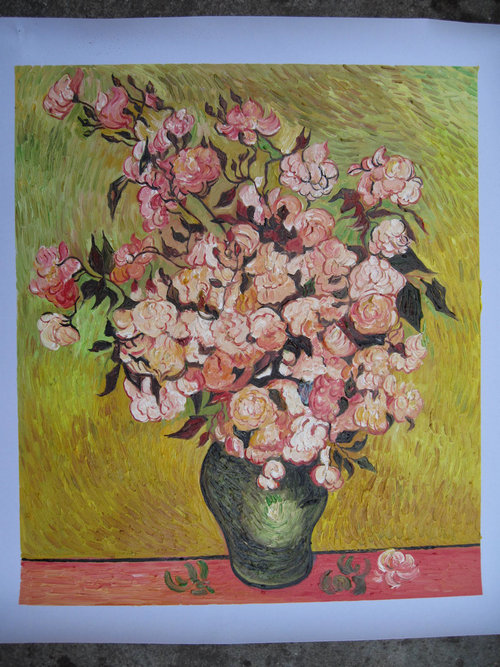 No.8Roses in a Vase
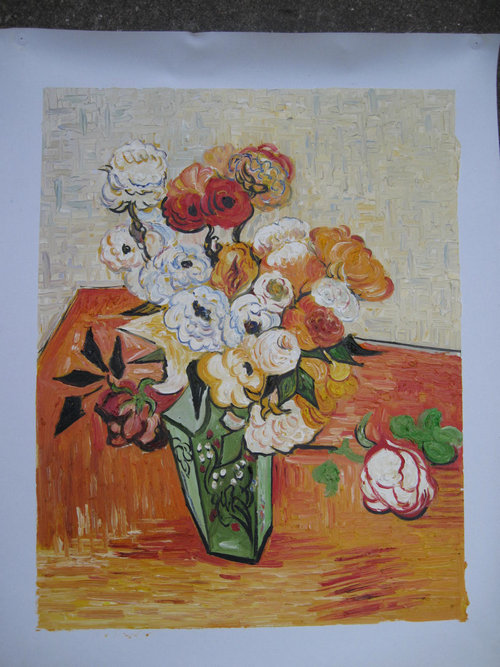 No.7Roses and Anemones in a Japanese Vase
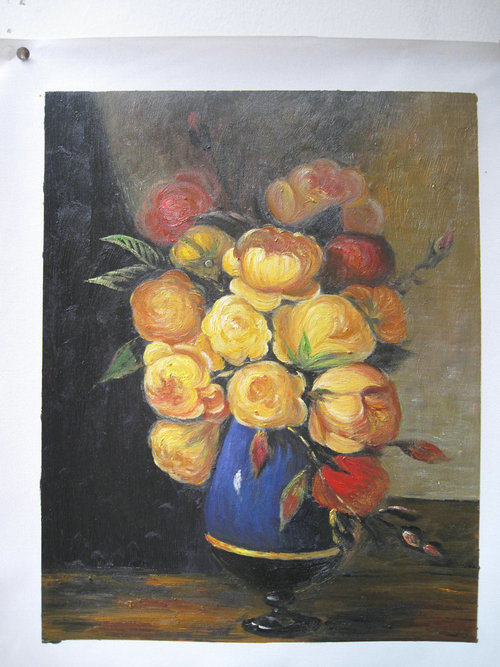 No.6Peonies in a Vase
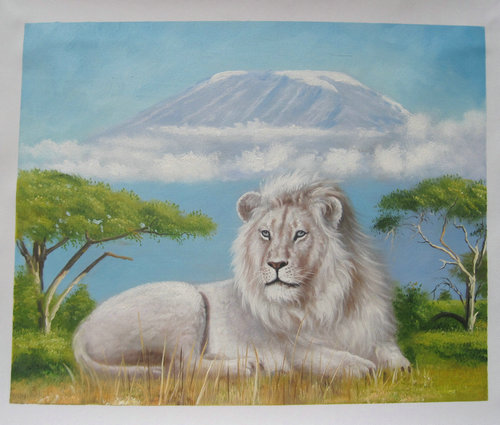 No.3White Lion
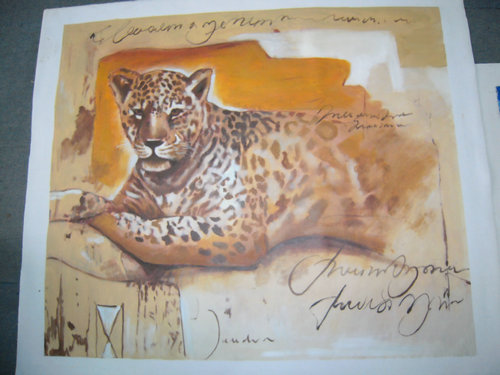 No.4Wildlife I
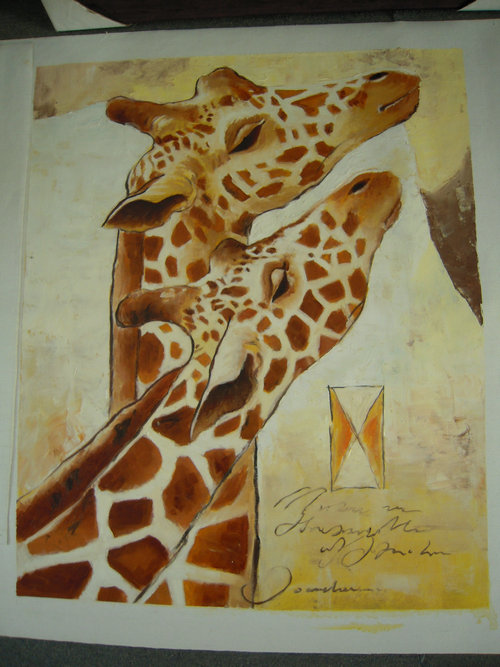 No.2Wildlife II
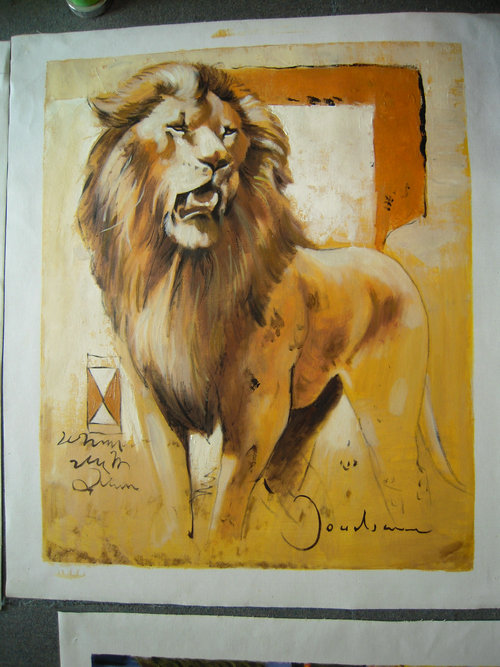 No.1Wildlife III
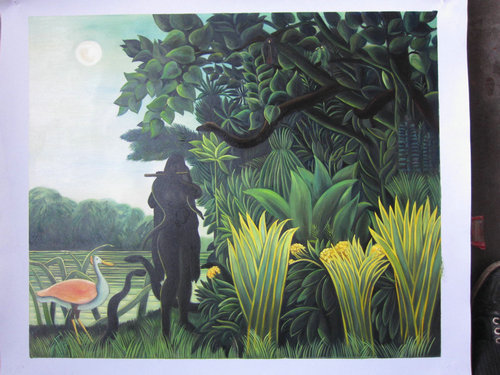 No.24The Snake Charmer
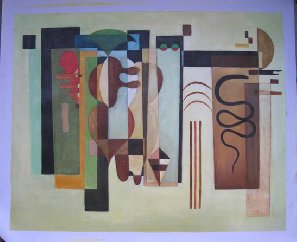 No.23Two Green Dots
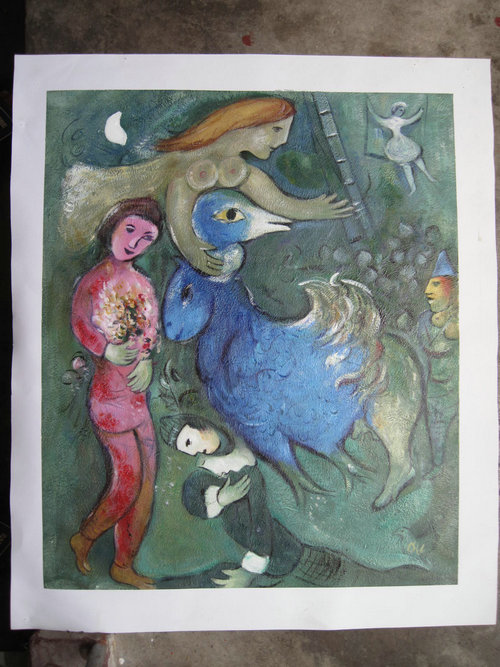 No.22Modern Art No.232
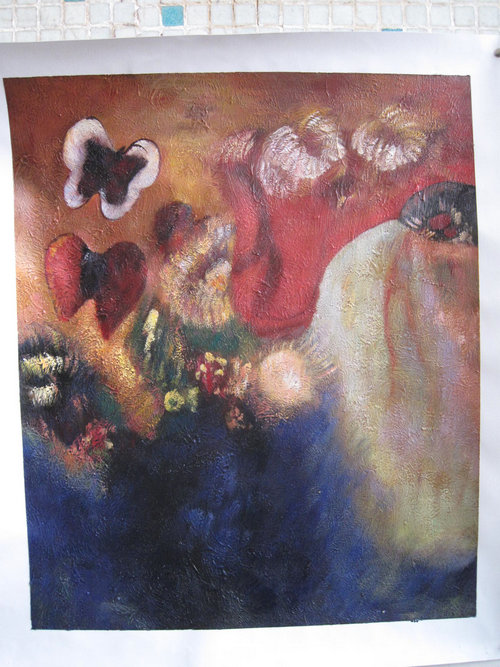 No.21Modern Art No.233
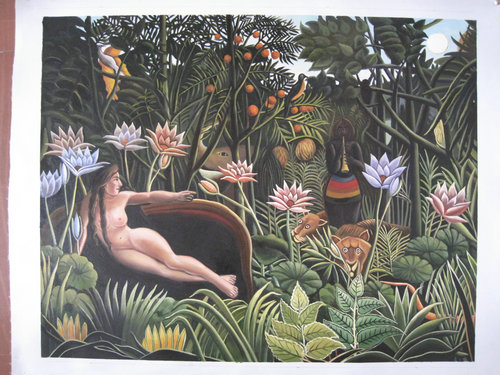 No.20The Dream
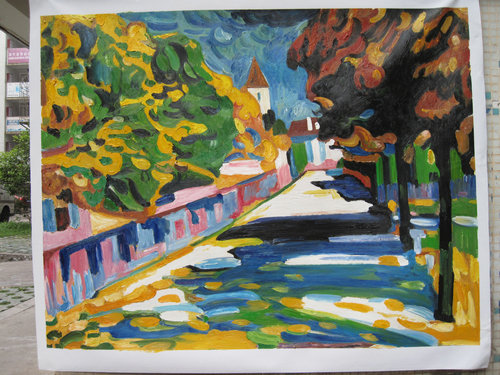 No.19Autumn in Bavaria
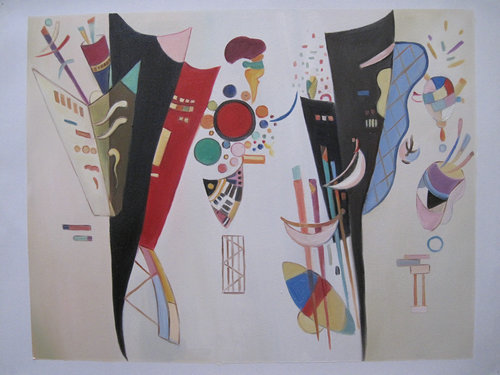 No.18Simultaneous Harmony
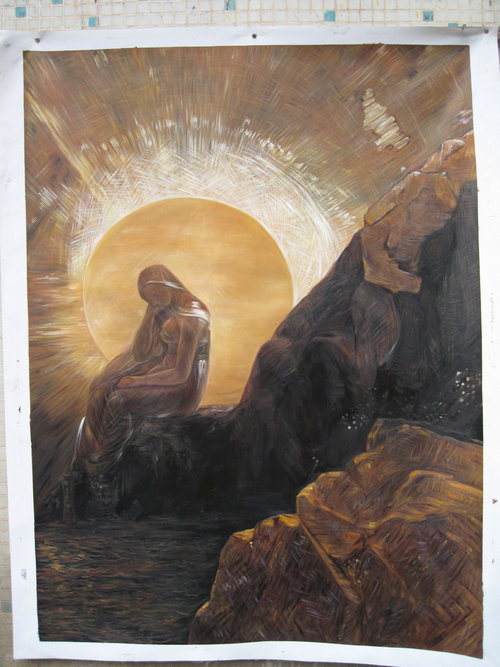 No.17Melancholy
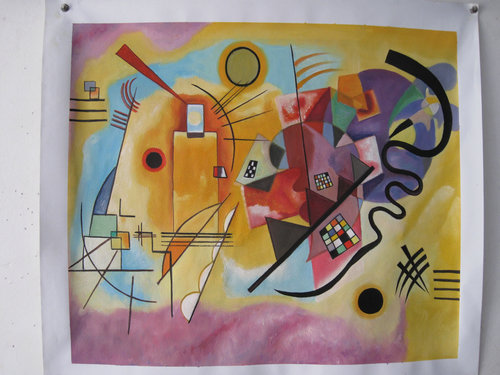 No.16Yellow-Red-Blue
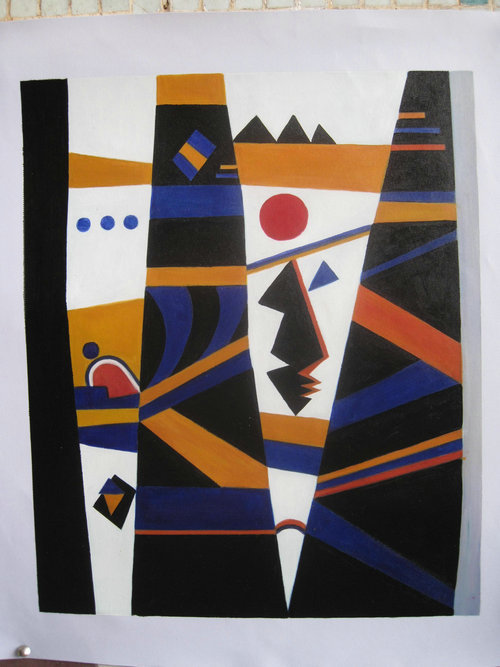 No.15Connection
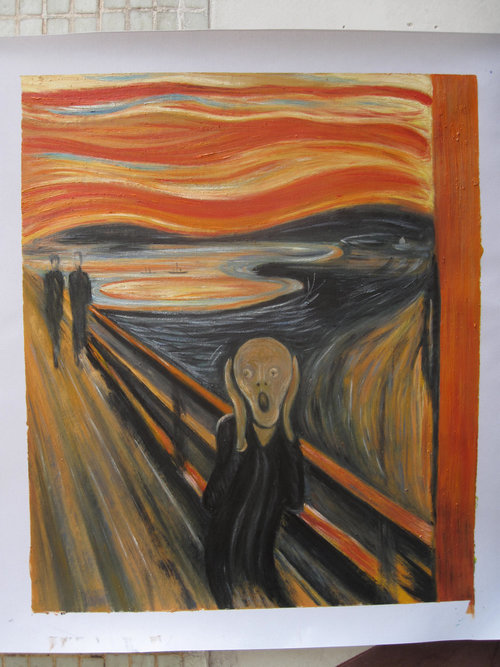 No.14Modern Art No.240
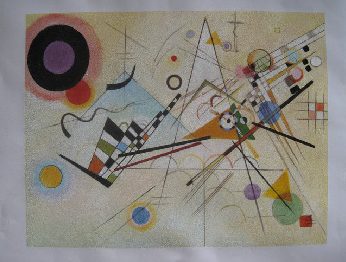 No.13Composition VIII
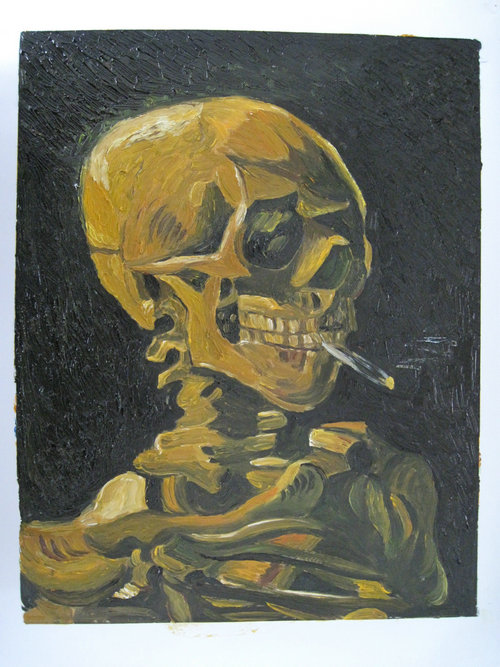 No.12Skull with a Lighted Cigarette
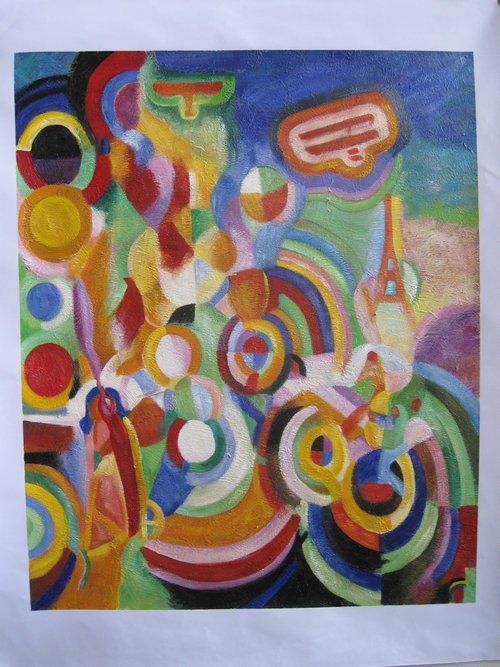 No.11Homage to Bleriot
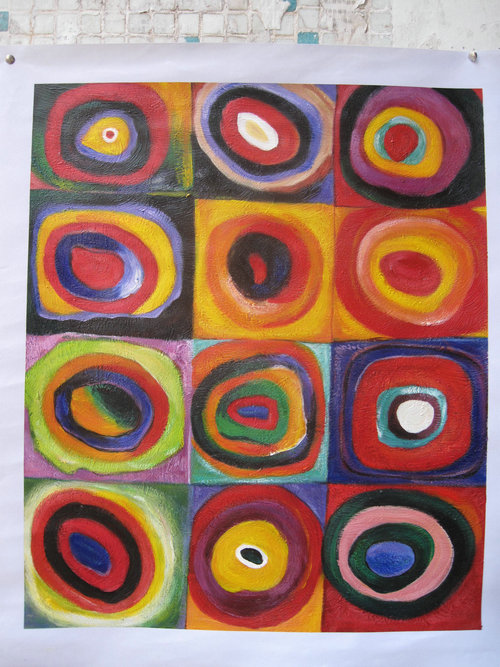 No.10Squares with Concentric Circles
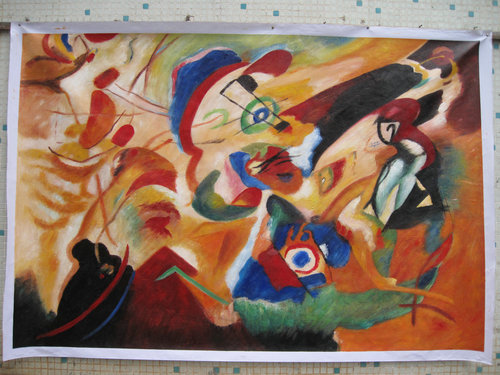 No.9Fragment 2 for Composition VII
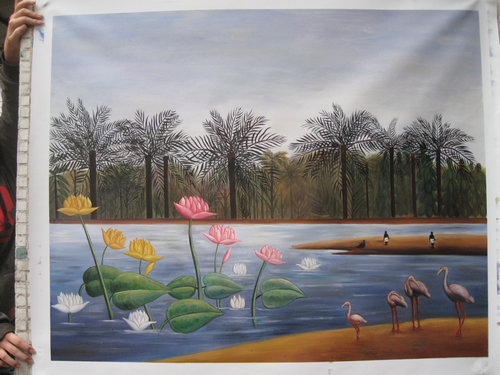 No.8Flamingos
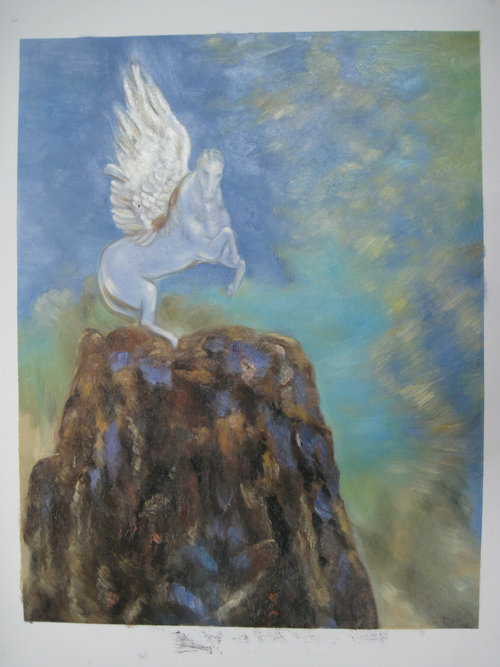 No.7Modern Art No.247
 No.6Simultaneous Contrasts: Sun and Moon
 No.5Modern Art No.249
 No.4Composition with Red, Yellow, Blue and Black
 No.3Black Square and Red Square
 No.2Portrait of Matyushin
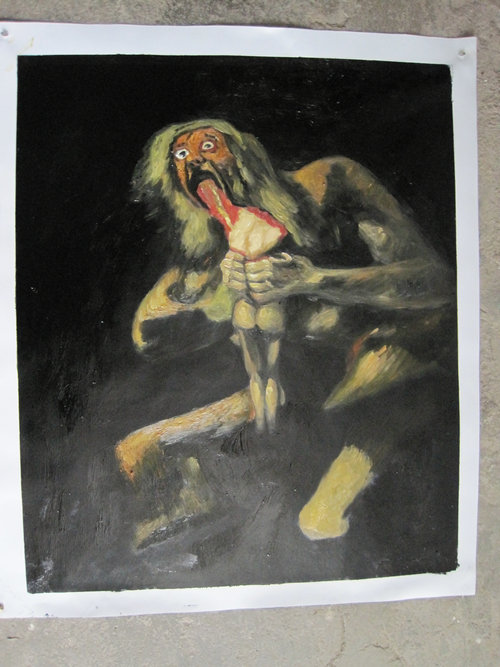 No.1Modern Art No.253
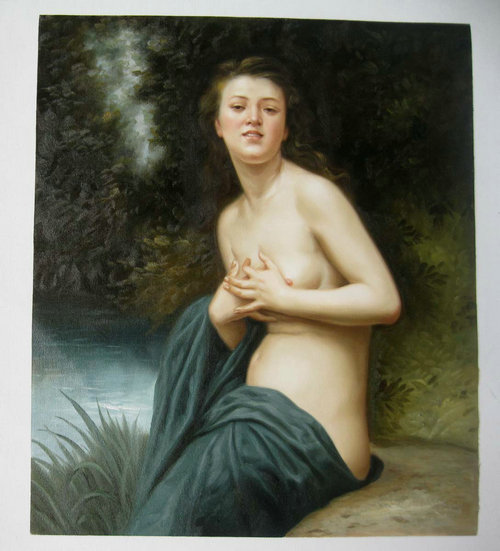 No.9Spring Breeze
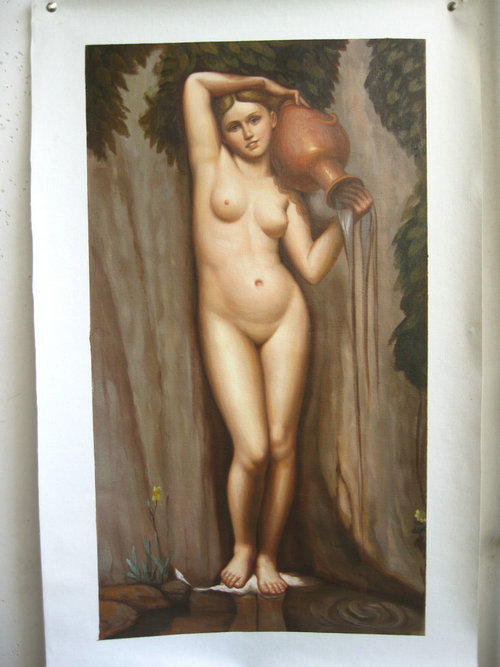 No.8The Source
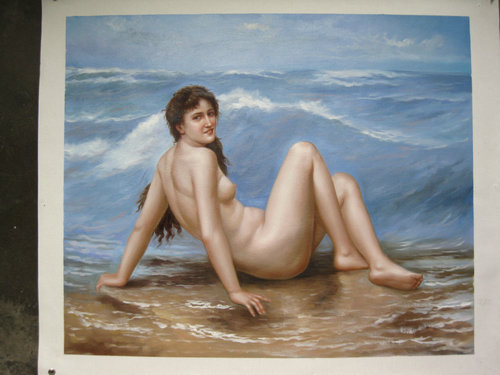 No.7The Wave
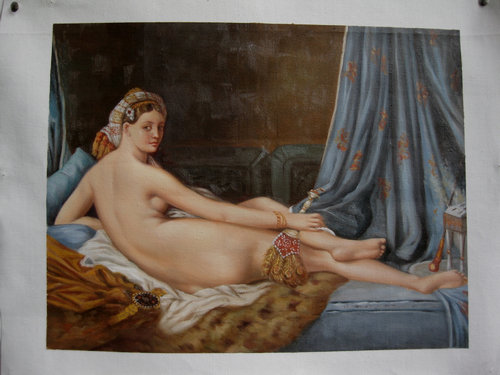 No.6La Grande Odalisque
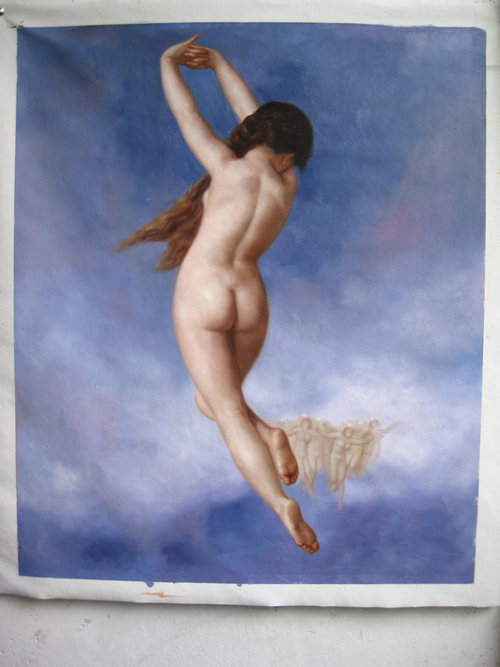 No.5Nude Study No.258
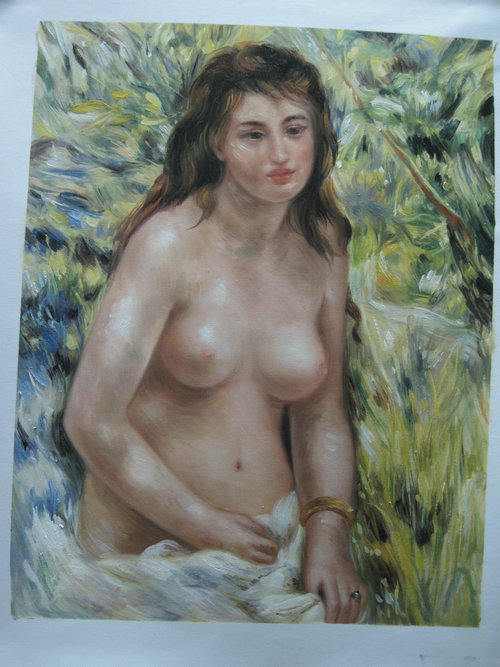 No.4Study: Torso of a Young Woman, Effect of Sunlight
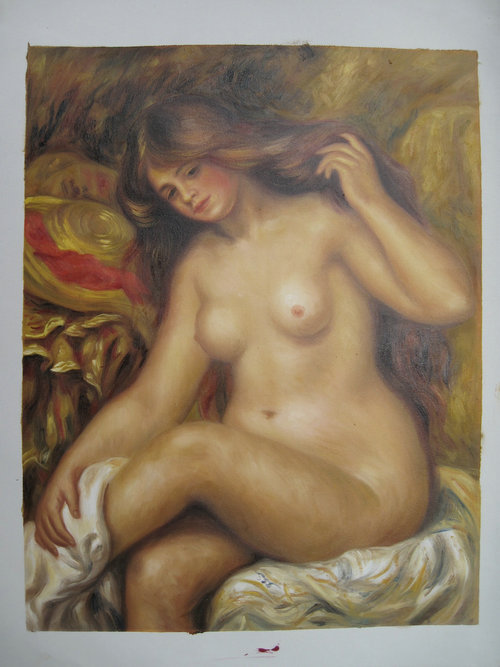 No.3Cross-legged Nude with Hat
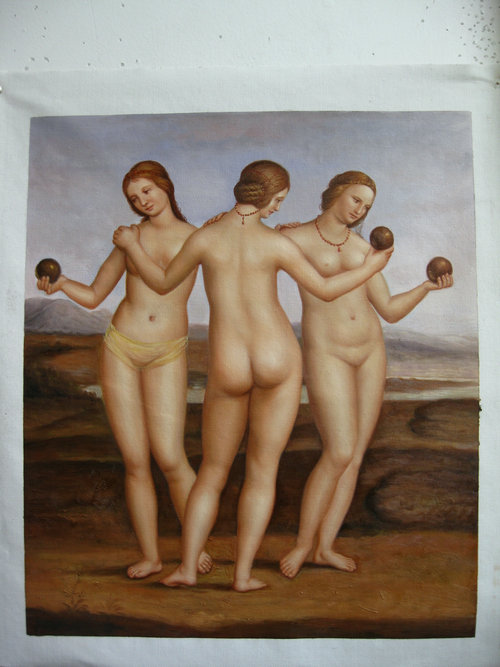 No.2Nude Study No.261
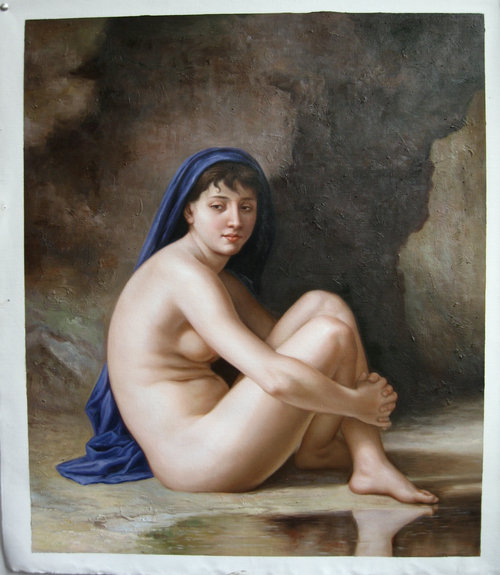 No.1Nude Study No.262
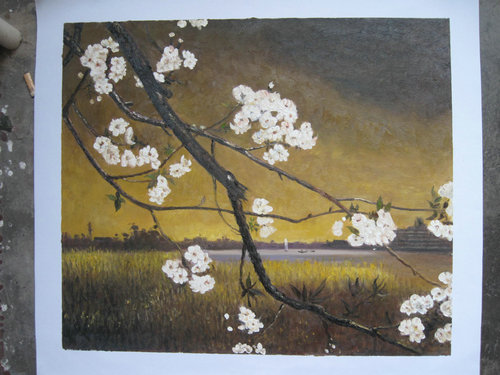 No.18Cherry Blossoms in Glory, in Ink and Water
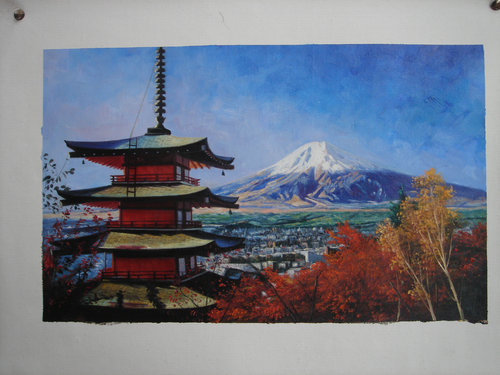 No.17Mount Fuji Seen from the Five-story Pagoda (Fujiyoshida City)
 No.16Harvest
 No.17Spring Furrows
 No.19Mount Fuji in Spring
 No.18Nagoya Castle in Spring
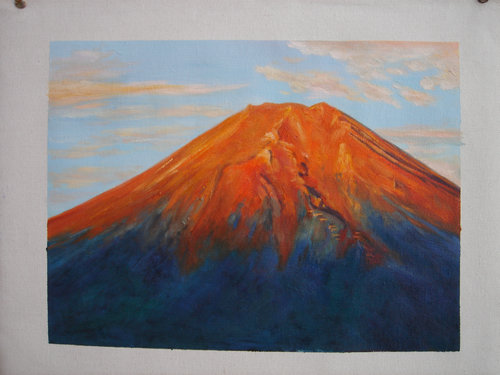 No.20Red Fuji
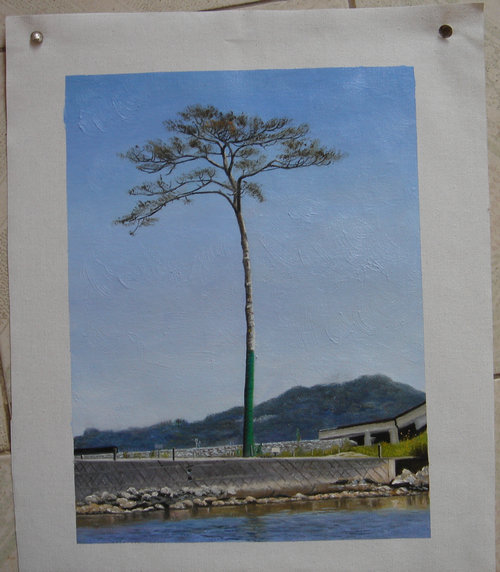 No.21The Single Pine Tree of the Tohoku Disaster
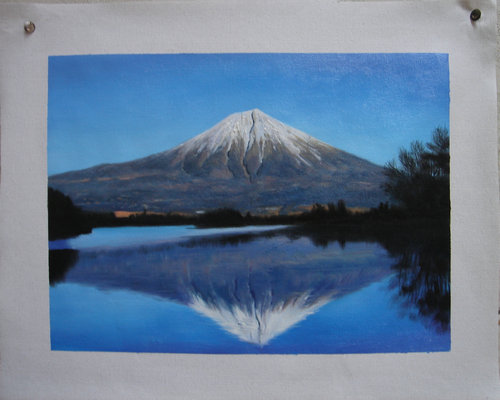 No.22Lake and Mount Fuji
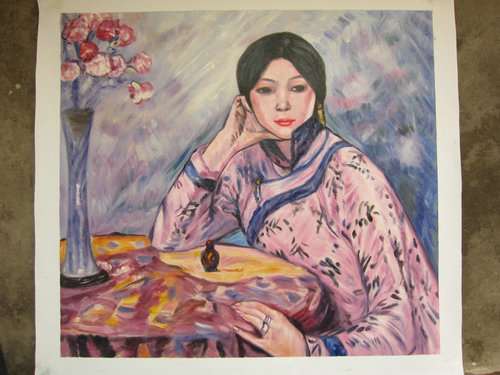 No.15Fragrance